You ever hit your head and thought you were gonna forget your own name? Yeah, that’s a classic panic moment. But here’s the thing: some of the most important stuff in our brain is sitting right at the bottom, all chill and unassuming. It’s called the brain stem.
It’s like the unsung hero of your body. Seriously! This little guy is responsible for keeping you alive without you even thinking about it. Breathing, heartbeat, sleep – it’s got your back while you binge-watch that new series or scarf down pizza.
Honestly? It doesn’t get enough credit for doing all this life stuff behind the scenes. So let’s dig into its wild world, shall we? You might find yourself appreciating this tiny powerhouse a whole lot more by the end!
Understanding the Brain Stem: Key Functions in Controlling Vital Body Processes
The brain stem is one of those parts of your body that’s super important but doesn’t always get the spotlight it deserves. It sits at the base of your brain and connects to your spinal cord, acting like a bridge between your brain and the rest of your body. Seriously, without it, well, we’d be in big trouble.
First off, let’s break down its main functions:
- Life Support: The brain stem controls essential functions like breathing and heart rate. Think about it: when you’re asleep or even just chilling out, your body keeps running thanks to these automatic processes. You’re not consciously telling yourself to breathe—your brain stem’s got that covered.
- Reflexes: You know when you touch something hot and jerk your hand back? That quick reaction is thanks to the brain stem! It plays a huge role in reflex actions that don’t need any thought. Just pure instinct!
- Sleep-Wake Cycle: The brain stem helps regulate sleep patterns. You’ve probably noticed how you feel more alert after a good night’s sleep. That’s partly because of what happens at this level while you’re dreaming away.
- Sensory Processing: It also helps process sensory information—like sounds and sights—before sending it up to higher parts of the brain for deeper understanding. It’s kind of like a first responder for signals coming into your head.
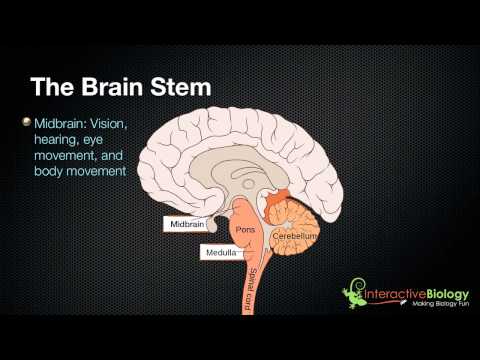
Now, hang with me here while I give you a peep into its structure. The brainstem consists of three main parts: **the midbrain**, **the pons**, and **the medulla oblongata**.
The midbrain is at the top and is involved in vision, hearing, motor control, and even temperature regulation. If you’ve ever been startled by a loud noise or bright light, that response gets started here.
Then we have the pons, which sits below the midbrain. This is where some pathways cross over to different sides of the body, making coordination smoother for movement and communication between different parts of your nervous system.
Finally, there’s the medulla oblongata. This part is like the ultimate gatekeeper—it controls all those vital functions we talked about earlier—like keeping your heart beating steady or ensuring you’re breathing regularly.
What’s wild is that all these functions happen almost automatically! Can you imagine if you had to think about every single breath or heartbeat? Yeah, no thank you!
Now picture this: when I was little, I took my first bike ride without training wheels (super exciting stuff!). But guess what happened? I hit a bump and fell over—hard! My reflexes kicked in so fast; I didn’t even think about it! That jerk back from falling? Yep! Brain stem action right there!
In summary (without totally summarizing!), understanding the brain stem gives us insight into how our bodies work behind the scenes every day. So next time you breathe deeply or react quickly to something surprising? Give a nod to that amazing little structure managing things like a boss!
Exploring the Brain Stem: Key Parts and Their Functions in Human Neuroscience
So, let’s talk about the brain stem. It’s like the control center of our body, sitting at the base of the brain and connecting it to the spinal cord. You know, it’s pretty wild how this small structure plays such a huge role in keeping us alive and functioning.
What is the Brain Stem?
Basically, the brain stem is made up of three main parts: the midbrain, pons, and medulla oblongata. Each section has its own job which keeps our body running smoothly.
Midbrain
First up, we have the midbrain. It’s located at the top of the brain stem and is involved in several important functions. Think about it like this: have you ever jumped when you hear a sudden loud noise? That reflex can be traced back to processes happening in your midbrain! It helps control eye movement, so when you see something zipping by your peripheral vision, it’s quick to get your eyes focused on it.
Pons
Then there’s the pons, which sits right below the midbrain. This part is all about communication. It connects different parts of your brain with one another. For example, if you’re trying to balance while riding a bike (which can be tricky), signals from your pons help coordinate movement between your cerebellum and other parts of your brain responsible for motor control.
Medulla Oblongata
Next comes the medulla oblongata; it’s like a little guardian that keeps an eye on vital functions—things we don’t even think about! Stuff like breathing and heart rate regulation happens here. Imagine you’re asleep at night; your medulla is still hard at work ensuring you’re breathing easily while you dream away.
So here’s an interesting thought: all these functions are automatic most of the time. When was the last time you consciously thought about taking a breath? Probably never! Yet here we are, thanks to our faithful brain stem doing its job without us even noticing.
The Importance of Connectivity
Now, one cool thing about these three parts working together is how they connect with various systems in our body. The brain stem acts as a highway for information. Messages zip back and forth between your brain and spinal cord through this area constantly.
To put it simply: if there’s a traffic jam here due to injury or disease (think strokes or spinal cord injuries), things can go south real quick—affecting everything from sensation to motor skills!
Anecdotal Moment
I remember talking to a friend who was learning how to play guitar. They kept getting frustrated because their fingers wouldn’t cooperate while changing chords quickly. I explained that their nervous system (yes, including their brain stem) had to work hard coordinating those finger movements—almost like training for an athletic event!
It’s kind of wild when you think about how much goes into even simple tasks we do every day without realizing it.
In summary, understanding how each part of our brain stem works—and why it’s so essential—lets us appreciate just how complex yet beautifully organized our bodies are! So next time you’re doing something automatic like breathing or balancing on one foot—give a little nod of gratitude to that amazing structure sitting right at the base of your skull!
Understanding Brainstem Function: Key Insights into Neuroscience and Its Impact on Human Physiology
The brainstem is like the body’s command center, you know? It sits at the base of your brain, connecting to the spinal cord and acting like the body’s information highway. Imagine it as an old-school switchboard operator, routing messages between different parts of your brain and your body.
To get into it a bit deeper, the brainstem has three main parts: the midbrain, pons, and medulla oblongata. Each of these areas plays a specific role in keeping us alive and functioning.
The Midbrain
This part is at the top and is super important for vision and hearing. It acts like a relay station for sensory information. You ever notice how when you hear something loud, your head instinctively turns towards it? That’s thanks to your midbrain, helping you react quickly to sounds.
The Pons
Next is the pons. This little guy sits right below the midbrain but above the medulla. It’s mainly involved in regulating breathing and controlling sleep cycles. You know that sleepy feeling when you’re on a long drive? Blame it on your pons—it’s hard at work managing that cozy state of being.
The Medulla Oblongata
Now, let’s talk about the medulla oblongata—this area connects directly to your spinal cord and controls vital functions like heart rate and blood pressure. Picture it as the body’s autopilot; when you’re asleep or just chilling out on the couch, it’s keeping everything running smoothly without you even thinking about it!
Here are some key insights about brainstem functions:
- Regulates Basic Life Functions: It controls breathing patterns and heart rate without us having to think about them.
- Relay Center: The brainstem processes information from our senses before passing it along.
- Reflex Actions: Quick responses like sneezing or coughing are managed here; these are vital survival mechanisms.
- Affects Sleep: The pons plays a role in sleep regulation; ever wonder why you’re groggy after sleeping too long? That’s partly due to how this area works!
- Damage Consequences: Injury to any part of the brainstem can lead to severe problems or even be life-threatening because it’s so crucial for basic functions.
It’s wild how such a small part of our anatomy has such an enormous impact on how we live every single day! For example, if you’re ever daydreaming in class (we’ve all been there), don’t forget your brainstem’s handling all those automatic functions while you let your mind wander.
Understanding what goes on in our brainstem gives us critical insights into human physiology. It’s not just about knowing where things are but appreciating how interconnected everything is in our bodies. So next time you’re having a moment of calmness or reacting reflexively—with no thought required—give a little nod of thanks to your trusty brainstem!
You know, the brain is like the ultimate control center for our whole body. But, if we’re being real here, a lot of people don’t give enough credit to the brain stem. It’s this small yet super essential part at the base of your brain. Honestly, it’s kind of like the unsung hero of the nervous system!
The brain stem has three main sections: the midbrain, pons, and medulla oblongata. Each part has its own responsibilities that are vital for keeping us ticking along smoothly. For example, think about how you breathe without even thinking about it. That’s the medulla at work! Isn’t it wild how something so automatic just happens without us having to give it a second thought?
And you know what? I remember a time when my little brother choked on his spaghetti during dinner. It was such a panic moment! But then I thought about how quickly our brains react in such situations—thanks to reflexes controlled by the brain stem. In that frantic moment, his body kicked into gear: he coughed and gasped for air without even consciously deciding to do so; that was all him relying on this amazing structure in his brain.
But it’s not just about reflexes or breathing; it’s also involved in regulating sleep and alertness. Like, ever had those days when you just can’t seem to wake up? Yeah, that’s partly your brain stem’s doing—or not doing! It helps transition us between sleep and wakefulness.
Seriously though, when we start looking deeper into how interconnected everything is—the brain stem connects with other parts of your nervous system—it becomes clear just how crucial it is for survival. It keeps our heart beating too! Can you imagine if we had to manually tell our hearts to beat every second? Total chaos.
So yeah, next time someone mentions their “big” brain decisions or fancy cognitive functions, take a moment to appreciate your brain stem quietly working behind the scenes. It’s one thing not always in the spotlight but plays such an epic role in who we are and what we do every day! Those tiny structures often get overshadowed by cooler stuff like memories or our big emotions—but they’re essential roots of this incredible tree that is our being!