Did you know your brain is about as wrinkly as a raisin? Yeah, seriously! That wrinkly texture isn’t just for show; it actually helps pack in all the important stuff.
I remember when I first learned about the brain’s anatomy. I was sitting in a science class, and honestly, my eyes were glazing over. But then, we got to this part about how different sections control everything from movement to memories. It blew my mind!
The human brain is like this super high-tech control center that runs our lives. You know, emotions, thoughts, and even that weird dance move you do at weddings—it all comes from there.
So why not peek under the hood of this amazing thing? Let’s unravel some of its mysteries together!
Understanding Brain Anatomy: Key Parts and Their Functions in Neuroscience
So, let’s chat about your brain, that squishy mass in your head doing all the heavy lifting! It’s like the control center of your body. Seriously, it handles everything from your thoughts and feelings to movements and sensations. But how much do you really know about its anatomy? Buckle up; we’re going to take a quick tour through the key parts and their functions!
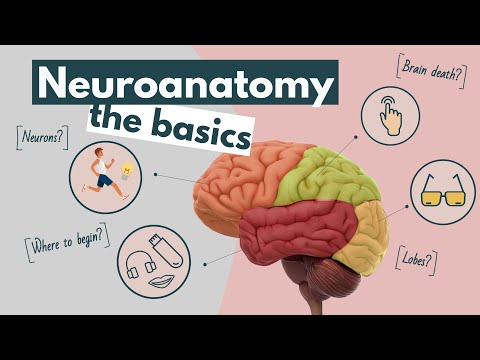
The Cerebral Cortex is where most of the fun happens. It’s responsible for higher brain functions like thinking, decision-making, and even emotions. You can think of it as the outer layer—kind of like the shell of a peanut. It has different sections, called lobes, each with its own job:
- Frontal Lobe: This is where personality lives! It helps you make decisions and control your impulses. Imagine trying to resist that slice of cake; yeah, it’s working hard right now!
- Parietal Lobe: This area helps process sensory info from all over your body. If you touch something hot or feel a tickle on your arm, this lobe is in action!
- Temporal Lobe: Here’s where memory and hearing come into play. Think about your favorite song or a cherished memory; this lobe helps pull those up when you need them.
- Occipital Lobe: Oh boy, this one’s all about vision! It takes in what you see and helps interpret those images; that stunning sunset? Yeah, this lobe made sure you noticed its beauty.
Next up is the Cerebellum. It hangs out at the back of your skull and keeps balance while also fine-tuning movements. Imagine riding a bike—this part makes sure you’re not wobbling all over the place.
Then there’s the Brain Stem. It connects the brain to the spinal cord and controls basic life functions like breathing and heart rate—let’s just say it keeps everything running smoothly without us even thinking about it.
And don’t forget about the Limbic System, which is often referred to as our emotional center! This system includes structures like:
- Amygdala: Known for processing emotions such as fear or pleasure, it’s like an alarm system for threats.
- Hippocampus: Essential for forming new memories—think of it as an archive for everything you’ll want to remember later!
A while back, I was at a party when I met someone who had just learned all this stuff in school—it blew my mind how excited they were talking about neurons firing away in their brains! You could tell they had this spark of curiosity lighting them up.
So there we have it: each part works together in harmony (most days!), creating who we are—our thoughts, our feelings, our actions. Understanding these key players gives us insights into not just how we function but also into what happens when things go awry.
Isn’t it amazing how these tiny cells make up such intricate structures? Seriously though—next time you’re lost in thought or laughing with friends, remember there’s a whole world happening inside that head of yours!
Exploring the Complexities of Human Brain Anatomy: A Comprehensive PDF Guide for Scientific Study
Well, the human brain is like this incredible, mind-boggling sort of computer, right? It’s not just a lump of gray stuff; it’s packed with different structures that work together to keep us functioning. The thing is, even though we know a lot about it, there’s still so much that’s a mystery.
So, let’s break it down a bit. First off, the brain can be divided into three main parts: the cerebrum, the cerebellum, and the brainstem. Each section has its own job and plays a crucial role in how we think and move.
- The cerebrum: This is where all the thinking happens! It’s divided into two halves called hemispheres. Each hemisphere has four lobes (frontal, parietal, occipital, and temporal) that handle different functions.
- The cerebellum: Think of this part as your body’s personal trainer. It helps with coordination and balance—so when you ride a bike or dance (even if you’re not too good at it), it’s working hard behind the scenes.
- The brainstem: This connects your brain to your spinal cord and controls basic life functions like breathing and heart rate. Without it, well…you wouldn’t be reading this!
Now let me hit you with something cool. Inside these regions are billions of cells called neurons. These guys are like tiny messengers—they communicate with each other using electrical signals! It’s kind of like an intricate network of roads where information zooms around all day long.
Did you know that the brain is also covered in protective layers called meninges? These layers act like armor for your brain against any bumps or bumps while you’re going about your day—like when you’re running for the bus or tripping over your shoelaces. Seriously! It also contains cerebrospinal fluid which cushions everything inside.
Another fascinating aspect is how our brains can change over time—a process known as neuroplasticity. Imagine you’ve learned to play guitar after years of struggle. Your brain actually rewires itself to make you better at it! How amazing is that?
Speaking of which, I remember when I first learned about neuroplasticity in college. I felt like my mind had been blown open—it was such an empowering concept! To realize that we can keep growing our brains as we age? That feels hopeful!
Also worth mentioning is how everyone’s anatomy can look a little different due to genetics or various factors throughout life. So just because one person might have perfect vision doesn’t mean everyone does—the layout might vary slightly from person to person.
In wrapping this up, exploring human brain anatomy isn’t just about understanding parts; it’s about appreciating how they work together in harmony—or chaos sometimes! After all, who hasn’t had one of those days where their brain feels cluttered?
So next time you’re trying to remember something or figure out why you’ve walked into a room only to forget what for, think about all those intricate connections firing away in your noggin—it’s pretty wild what’s happening inside our heads all the time!
Exploring the Complexities of Human Brain Anatomy: Essential Science Notes for Students
When we talk about the human brain, it’s like diving into one of the most intricate puzzles you could imagine. Seriously, this three-pound mass is home to millions of neurons and trillions of connections. Isn’t that something? Let’s break it down a bit.
First off, the brain has several major parts:
- Cerebrum: This is the largest part and basically runs your thinking—a bit like your personal computer. It’s divided into two halves, known as hemispheres, which control different activities.
- Cerebellum: It sits at the back and helps with coordination. Think of it as your body’s balance coach!
- Brainstem: This connects the brain to the spinal cord and controls basic functions like breathing and heart rate. Without it, well, we’d be in big trouble.
- Limbic system: Often called the “emotional brain,” this area manages emotions and memories. Imagine it as your heart’s coordinator!
So here’s a little emotional story for you: I once read about a guy named Henry Molaison (but they called him H.M.) who had surgery to treat his epilepsy. They took out part of his hippocampus, which is key for forming new memories. After that, he couldn’t make new memories at all! Imagine living each day forgetting what happened before; that’s how impactful certain brain regions can be.
The cerebrum itself has lobes that do specific jobs:
- Frontal lobe: Responsible for decision-making and problem-solving—like being the boss of your thoughts.
- Parietal lobe: Handles sensory information—touching things and knowing where your body is in space.
- Temporal lobe: Important for processing sound and memory—think music or remembering faces.
- Occipital lobe: This one’s all about vision; it processes everything you see.
You might be curious how these parts communicate. Well, there are pathways connecting them called white matter tracts! You know how highways help cars zoom around? That’s what these tracts do for signals traveling between different areas of the brain.
But wait! There are also protective layers called meningeal layers sitting between your skull and brain. Think of them as cushions; they keep everything safe from bumps—like a cozy blanket!
The complexities don’t end there! Inside the brain, you have fluids called cerebrospinal fluid (CSF) which acts like shock absorbers protecting the delicate structures from damage while also providing nutrients.
The human brain is still a mystery in many ways; researchers work hard to unlock more secrets every day. So when you think about human anatomy or study it in school, remember this amazing organ isn’t just about gray matter bolts—it’s a symphony of interconnected sections working together in perfect harmony (or sometimes chaos!). Just fascinating stuff if you ask me!
You know, the human brain is just one of those things that never ceases to amaze me. I mean, think about it: this three-pound mass of jelly-like tissue commands everything we do—our thoughts, our movements, even our emotions. It’s like a super complex control center. Seriously, it’s mind-boggling!
So here’s a little story for you. I remember my first day in a neuroscience class; we were shown this giant model of the brain. The instructor pointed out regions like the cerebrum and cerebellum, and I thought, “Wow, there’s so much going on up there!” It felt like being handed the user manual for a spaceship—you want to know everything about it!
The cool part is that different parts of the brain handle different tasks. The cerebrum is all about logic and decision-making. The amygdala? Well, that little almond-shaped buddy controls emotions like fear and pleasure. Just imagine all those tiny connections firing off signals at light speed—well, almost! It’s like a bustling city with highways full of cars zooming around.
But let’s be real; understanding all these layers can feel overwhelming sometimes. There are billions of neurons talking to each other through synapses—tiny gaps where signals jump from one neuron to another. And then there are glial cells that help support the neurons—they’re kinda like the unsung heroes behind the scenes! It’s easy to get lost in all that complexity.
And what’s even crazier is how our brains aren’t set in stone. They change and adapt as we learn new things or experience different situations—a fancy term for this is neuroplasticity. So every time you pick up a new skill or maybe even try a different recipe for dinner your brain is literally reshaping itself! Isn’t that something?
In short, every time someone dives into studying brain anatomy or neuroscience, it’s not just dry information—it’s really an exploration of what makes us human. It holds the keys to our identity and experiences; every thought and feeling reflects some intricate dance happening inside our heads.
So yeah, next time you ponder what makes us tick as humans—from love to creativity—think about that complex web up top in your skull doing its thing. You gotta give credit where it’s due; it’s one wild ride up there!