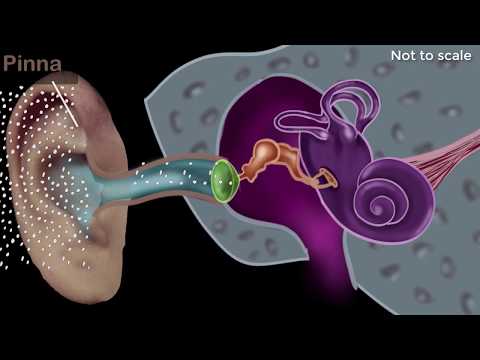
You know what’s wild? The human ear is like this amazing little machine just hanging out on the side of our heads. Seriously, it can pick up sounds from a whisper to a rock concert, and it’s all because of some seriously nifty anatomy.
I remember when I was a kid, I thought my ears could actually “hear” things better when I cupped them—like, maybe they could use a little help! Turns out, there’s a lot more going on than just the shape of your ear. It’s like this whole system working together to make sense of the world around us.
So, let’s take a little trip into the world of ears. We’ll chat about how they work and why they’re super important. Trust me; it’s gonna be more interesting than you think!
Exploring the Human Ear: 5 Fascinating Facts That Showcase Its Scientific Wonders
Exploring the Human Ear can be like taking a wild journey into a tiny, complex world. You might not think about it that often, but your ears do some seriously amazing stuff. Let’s uncover five fascinating facts about this incredible part of your body.
- Three tiny bones make a big difference: Did you know there are three tiny bones in your ear? They’re called the malleus, incus, and stapes. Together, they’re known as the ossicles. These little guys are key for transmitting sound vibrations from the air to your inner ear. Imagine them as a super-efficient delivery service for sound waves!
- Your ear helps with balance: Besides hearing, your ears play a huge role in keeping you upright. The inner ear contains structures like the semicircular canals that help you sense motion and balance. Ever tried spinning around quickly? When you stop, that dizzy feeling is partly due to these canals still sending signals to your brain about movement.
- Your eardrum is a major player: The eardrum (or tympanic membrane) is like a superhero of sound detection! It vibrates when sound waves hit it. These vibrations then get passed on to those three little bones we talked about earlier. If there’s anything cool happening in there, it’s got to be those subtle vibrations converting air pressure into something our brains can interpret.
- There’s more than one part to an ear!: Most people know about the outer ear—the part you can see—but the human ear has three parts: outer, middle, and inner ear. Each section has its own job and contributes to how we hear and maintain our balance. It’s like having different teams working together for one mission: creating that sweet symphony of sounds.
- The cochlea converts sound: Inside your inner ear lies the cochlea—a spiral-shaped wonder responsible for turning sound vibrations into electrical signals that our brain understands as noise or music. It’s packed with thousands of hair cells (not what you think!). These cells respond to different frequencies, sort of like how different keys on a piano create unique sounds.
Feeling amazed yet? Your human ear is more than just an organ; it’s an intricate system that’s constantly at work—detecting sounds while keeping us steady on our feet! So next time someone says “ear,” remember there’s so much going on under the surface!
Exploring the 5 Key Points of the Ear: Insights into Auditory Science
Sure, let’s break down the fascinating world of the ear in a simple way. The ear is like this amazing little machine that helps us connect to the world through sound. It’s got some pretty cool parts, and here’s a closer look at five key points about it.
- Outer Ear: This is the part you can see—the ear itself! It’s basically shaped like a funnel. The external part, called the pinna, helps direct sound waves into your ear canal. Imagine trying to catch rain with your hands. The outer ear does that for sounds!
- Ear Canal: Once sounds enter the outer ear, they travel down this tube-like structure known as the ear canal. It’s not just a straight shot; it’s lined with tiny hairs and glands that produce wax. Yup, that stuff protects your ears from dirt and bacteria, like a shield!
- Eardrum: At the end of the ear canal is this thin membrane called the eardrum. When sound waves hit it, they create vibrations. Think of it like ripples in a pond when you toss a stone in—those vibrations are crucial for hearing!
- Middle Ear: This area contains three tiny bones known as the ossicles: malleus (hammer), incus (anvil), and stapes (stirrup). These bones amplify those little vibrations from your eardrum before sending them into the inner ear. It’s like turning up the volume on your favorite song—it makes those sounds way easier to hear!
- Inner Ear: Finally, we reach this super cool part called the cochlea—a snail-shaped organ filled with fluid. When sound waves come in, they create waves in that fluid which move tiny hair cells that convert those movements into electrical signals for your brain to interpret as sound. It’s almost like dancing—those hair cells need to move just right to send clear messages!
So there you have it! Each part works together harmoniously to transform sounds around you into something you can perceive and enjoy. Just imagine all those intricate steps happening every time someone laughs or music plays—it’s kind of magical if you think about it!
Exploring the Intricacies of Human Ear Anatomy and Its Connection to Brain Function
Sure thing! Let’s jump right into the amazing world of human ear anatomy and how it buzzes with your brain function.
The human ear is not just a simple tool for hearing. It’s a super sophisticated structure that helps us perceive sounds, maintain balance, and even influences our emotions. So, what’s happening in there?
Three Main Parts: The ear is divided into three main parts—outer, middle, and inner. Each part has its own set of functions, almost like a team working together.
- Outer Ear: This is what you see—the earlobe and the ear canal. It catches sound waves and funnels them down to the eardrum.
- Middle Ear: It contains three tiny bones called ossicles: the malleus (hammer), incus (anvil), and stapes (stirrup). They amplify sound vibrations from the eardrum. Think of them as little amplifiers!
- Inner Ear: This part transforms sound vibrations into electrical signals that travel to your brain. It’s also home to the cochlea, which looks like a snail shell and is where most of the magic happens.
Now let’s talk about that connection to your brain. When those electrical signals reach your auditory cortex—located in the temporal lobe—it interprets what you’re hearing. This entire process happens in milliseconds! Ever felt music moving you? That’s because sounds can trigger emotional responses by activating other regions in your brain.
But wait! There’s more than just hearing involved here. The inner ear also plays a key role in maintaining balance through its vestibular system. It sends signals to your brain about head position and movement. Imagine trying to ride a bike; your ears help keep you steady while navigating those corners!
Sometimes our ears can surprise us too. Ever had that moment when you’re listening to music, feeling all sorts of emotions—joy, nostalgia—and suddenly it hits hard? That’s because sounds create deep connections with memories stored in different parts of our brains.
In short, your ears are incredible structures intricately linked with how we experience life every day—through sounds and even emotions! And who knew that just by moving our heads or listening closely, we’re engaging this fascinating biological system?
So next time you tune into your favorite track or hear laughter bouncing around, remember: it’s not just sound; it’s science at play!
So, you know, the human ear might just seem like this simple little thing that helps us hear. But, trust me, there’s way more going on in there than you’d think! It’s like a tiny universe with its own set of quirks and features.
First up, let’s talk about the anatomy. The ear is split into three main parts: the outer ear, middle ear, and inner ear. Each part has its own special job. The outer ear catches sound waves—kind of like a funnel—and then those waves travel down the ear canal to hit the eardrum. I remember once when I was a kid, I stuffed cotton in my ears during swimming lessons because I thought it would help me swim better. Spoiler alert: it didn’t work and I couldn’t hear a thing! That goofy moment taught me how important my ears are.
Once sound hits the eardrum, it causes vibrations that get passed along through tiny bones in the middle ear called the ossicles. They’re like these little levers lifting and pushing sounds to your inner ear. Doesn’t that sound wild? Those bones are so small but play such a huge role!
Then there’s the inner ear, where all that sound gets transformed into signals your brain can understand. This part also houses the cochlea—a spiral-shaped organ that looks kinda like a snail shell. Here’s where things get really cool: inside the cochlea are hair cells that move in response to sound vibrations. When they move, they send signals straight to your brain saying “Hey! That’s music!” or “Whoa! That’s loud!” It’s so neat how our body turns vibrations into something we can actually “hear” and feel.
But here’s something kind of unsettling: even though we rely on our ears for so much—like enjoying music or chatting with friends—they can be super sensitive to damage from loud noises or infections. A friend of mine lost some hearing after years of attending loud concerts without any protection. It made me realize just how fragile our hearing is!
You see? We often take our ears for granted, but they’re doing more than meets the eye—or should I say “ear”? So next time you’re grooving to a song or just chilling in silence, think about all those incredible functions happening behind the scenes inside your ears. They’re working hard so you can experience life in full sound!