You know that feeling when you hear a song so catchy that you can’t get it out of your head? Like, you’re walking down the street, and suddenly you start dancing? Yeah, that’s music doing its magic on you. But have you ever thought about how your ears actually turn those sounds into something your brain can understand?
The inner ear is like this super high-tech, tiny concert hall. Seriously! It’s packed with cool structures that help us hear everything from the faintest whisper to a loud rock concert. You could say it’s kind of like an unsung hero in the world of sound.
When we talk about hearing science, understanding inner ear anatomy is key. It’s not just about what we hear but how we process all those vibes floating around us. So, buckle up! We’re about to delve into some fascinating stuff that happens right inside those little ears of yours.
Comprehensive Guide to Inner Ear Anatomy: Downloadable PDF Resource for Scientific Study
The inner ear is like this fascinating little world tucked inside your skull. It plays a massive role in how we hear and balance ourselves. Let’s break down the anatomy of this amazing structure and its functions.
Structure of the Inner Ear:
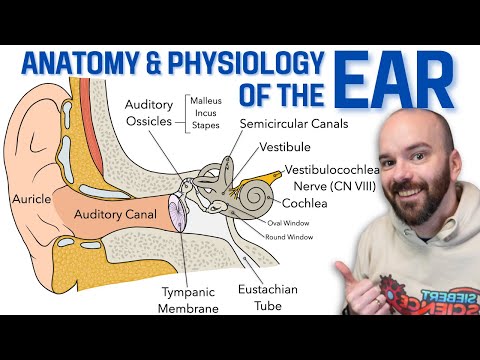
The inner ear mainly consists of two parts: the cochlea and the vestibular system.
- Cochlea: This is a spiral-shaped organ that looks like a snail shell. Inside, it’s filled with fluid and lined with tiny hair cells. These hair cells are super important because they convert sound vibrations into electrical signals for our brain to interpret as sound.
- Vestibular System: This part helps you keep your balance. It includes three loops called semicircular canals that detect rotational movements, plus two sacs (the utricle and saccule) that sense linear accelerations. Think about how dizzy you feel after spinning around; that’s your vestibular system at work!
The cochlea contains several sections: the scala vestibuli, scala media, and scala tympani, which are like different levels in a building. Each level has its own role in hearing—cool, right? The tiny hairs on top of those hair cells are what actually move when sound waves travel through the fluid in the cochlea.
Functions of the Inner Ear:
So how does all this work together to help us hear? Well, when sound hits your eardrum, it creates vibrations that travel through three small bones in your middle ear. These vibrations then move into the cochlea’s fluid. As this fluid moves, it causes those little hair cells to sway.
- Auditory Processing: When these hair cells move, they send signals through nerve fibers to your brain—this is where all the magic happens! Your brain translates these signals into sounds we recognize.
- Balance Maintenance: The vestibular system checks where your head is in space—like when you’re riding a roller coaster or just walking down the street. If you change direction quickly or make sudden movements, those semicircular canals pick up on that action.
It’s pretty wild when you think about how much our inner ear does without us even realizing it!
The Importance of Understanding Inner Ear Anatomy:
Knowing how our inner ear works can help us understand certain diseases or disorders better. For example, conditions like vertigo arise from issues within this system, making everything feel off-balance! Also, hearing loss can be linked directly back to problems with tiny components within the cochlea.
Think of an experience where you’ve been at a loud concert or something similar; maybe you felt a bit off afterward? Well, this could relate back to how loud sounds can damage those delicate hair cells over time.
To sum up, diving into **inner ear anatomy** isn’t just about memorizing parts; it’s about appreciating an incredible system that’s constantly working behind the scenes to let us enjoy music or navigate through life without tipping over!
Exploring the Anatomy of the Inner Ear: Key Structures and Their Functions in Auditory Processing
The inner ear is a fascinating little piece of biology that plays a huge role in how we hear the world around us. It’s tucked away deep in our skull, but it’s like the ultimate sound processor. Basically, it takes vibrations from the outside world and transforms them into signals that our brains can understand. Let’s break it down a bit, shall we?
First off, there are some key structures in the inner ear important for hearing:
- Cochlea: This spiral-shaped structure resembles a snail shell and is where the magic begins. Inside, you’ve got fluid and tiny hair cells that move when sound waves hit them. This movement creates electrical signals sent to the brain.
- Vestibular system: Although not solely for hearing, this plays a significant role in balance. It works alongside the cochlea to ensure you don’t feel dizzy when, say, you’re listening to your favorite song while spinning around.
- Auditory nerve: After hair cells in the cochlea do their thing, this nerve takes those electrical signals straight to your brain. It’s like an express lane for sound information!
So let’s talk about how these pieces work together to make hearing happen. When sound waves enter your ear, they travel through the ear canal and vibrate against your eardrum—a thin membrane that separates your outer ear from the middle ear. Then those vibrations reach tiny bones called ossicles (the hammer, anvil, and stirrup). These bones amplify those vibrations before sending them into the cochlea.
Inside **the cochlea**, fluid moves as those vibrations travel through it—almost like ripples on a pond. The hair cells are sensitive structures that bend with these ripples. When they bend just right, they create electrical impulses that get picked up by sensory neurons.
It’s pretty wild if you think about it! Just imagine being at a concert: all those sounds swirling around you are literally creating tiny movements in this fluid inside your cochlea! Now picture yourself trying to pick out your friend’s voice among all that noise—that’s where our brain’s processing skills kick in.
The **auditory nerve** takes over from here. It carries those electric messages up to the brain where they’re interpreted as sounds—we recognize melodies or words thanks to this incredible processing system working behind the scenes.
Additionally, there’s another cool part of this story: our ears can distinguish different sounds due to a phenomenon called tonotopic organization within the cochlea! Different frequencies activate different areas along its spiral shape; higher pitches trigger hair cells at one end while lower pitches affect another end of this auditory adventure.
And here’s something personal—when I was younger, I remember being fascinated by how my grandma could still hear certain notes on her piano even with age-related hearing loss. I learned later she had become adept at using other cues (like visual ones) alongside what she could still hear! That adaptability speaks volumes about how intricate and resilient our auditory system can be!
So yeah, exploring all these structures—the cochlea with its remarkable ability to convert vibrations into signals; the vestibular system keeping our balance intact; and that trusty auditory nerve carrying messages—is just scratching the surface of understanding how we process sound every single day.
Take a moment to appreciate everything going on inside your head whenever you listen to music or chat with friends—it really is something special!
Exploring Inner Ear Function: Mechanisms, Disorders, and Scientific Insights
The inner ear is like this incredible little world filled with fascinating mechanisms that help us hear and maintain balance. Seriously! It’s more than just a simple sound-capturing device. Let’s break it down.
First up, the anatomy. The inner ear contains structures called the cochlea, vestibule, and semicircular canals. The cochlea looks like a snail shell and is where sound gets processed. Inside the cochlea, there are tiny hair cells that act as sensors. When sound waves come in, they create tiny vibrations that move these hair cells, translating sound into electrical signals your brain can understand.
Now, on to balance—the vestibular system is at play here. It includes three semicircular canals positioned at different angles. These canals are filled with fluid and lined with sensory hair cells too! When you move your head, the fluid shifts around due to inertia. This movement sends signals to your brain about your position in space. Pretty cool, right?
- Cochlea: Responsible for hearing; converts vibrations into nerve signals.
- Semi-circular canals: Key for balance; detect head movement.
- Sensory hair cells: Convert mechanical movement into electrical impulses.
Sometimes things go wrong in this intricate system. Disorders can range from mild to severe, affecting hearing or balance incredibly.
One example is Meniere’s disease, which causes episodes of vertigo and ringing in the ears (tinnitus). Imagine being dizzy while just trying to walk—it can be really tough!
Ototoxicity, which happens when certain medications harm those delicate hair cells can lead to permanent hearing loss or balance issues too.
That’s why some people experience ringing sounds after taking specific meds.
The scientific insight here is nice and hopeful: researchers are exploring potential treatments using gene therapy and stem cell research aimed at repairing damaged hair cells or even regenerating them! Can you imagine? A future where hearing loss from age or injury could be reversed? Who wouldn’t want that?
The inner ear is a crucial player not just for hearing but also for keeping our sense of balance in check. Understanding its function helps scientists tackle disorders effectively while also paving the way for exciting new treatments! So next time you hear a nice tune or feel steady on your feet, think about all that hard work going on inside your ears!
You know, when I think about how we hear things, it’s kind of mind-blowing. Our ears are like this intricate little machine that operates almost seamlessly. And honestly, the inner ear is one of the coolest parts of that setup.
So, let’s start with a peek at what’s going on in there. The inner ear consists mainly of two major structures: the cochlea and the vestibular system. The cochlea looks like a tiny snail shell—the sort you might find at the beach—tight spirals and all. This is where sound waves turn into nerve signals that our brains can understand. Pretty neat, huh?
When sound waves enter the ear, they create vibrations in various parts. These vibrations travel through fluid in the cochlea and get picked up by tiny hair cells lining its walls. It feels a bit magical because these hair cells translate those vibrations into electrical signals! Imagine feeling music from your favorite band just by tiny hairs dancing around; it almost feels poetic.
And then there’s the vestibular system—basically your balance buddy! It helps you figure out where you are in space. You know those moments when you spin around and then stop? Your body adjusts to keep you upright because of this system working behind the scenes.
I remember once when I was at a live concert with my friends—it was so loud that I could barely hear myself think! But what surprised me was seeing people near us who were literally swaying to the music without missing a beat—not just dancing but really feeling it! Later, we found out they were all musicians themselves; it clicked for me how finely tuned their inner ears must be to grasp every note.
But back to anatomy! What’s fascinating is how delicate these structures are yet so resilient. Ever noticed ringing in your ears after loud music? It happens because those hair cells get exhausted after being overwhelmed—a small reminder to take care of them since they don’t grow back once damaged.
So yeah, while it’s easy to tune out this complex machinery inside us, our inner ear does some heavy lifting every day, allowing us to enjoy sounds ranging from birds chirping outside to your buddy cracking jokes across the table. Understanding its structure and function not only makes us appreciate hearing more but also gives us insights into protecting this little miracle nestled in our heads! Isn’t that something?