You know those moments when you realize you really don’t know much about something? Like, I once overheard a group of guys debating how many different types of male anatomy there are. Spoiler: they were all over the place!
Honestly, it’s wild how little we talk about male genital anatomy. Sure, everyone kinda knows the basics, but there’s so much more to it.
From weird stats about size to the complex workings inside, it’s a whole mini universe down there! And let’s be real; understanding the ins and outs can change the game in everything from health to confidence.
So, let’s take a chill dive into this topic together and uncover some fascinating stuff. You’ll probably learn a thing or two—and who knows, you might even impress some friends with your newfound knowledge!
Exploring the Male Reproductive System: Key Parts and Their Functions in Human Biology
The male reproductive system is pretty fascinating, just like a complex machine that has various parts working together. Let’s get into some details about its key components and what they do.
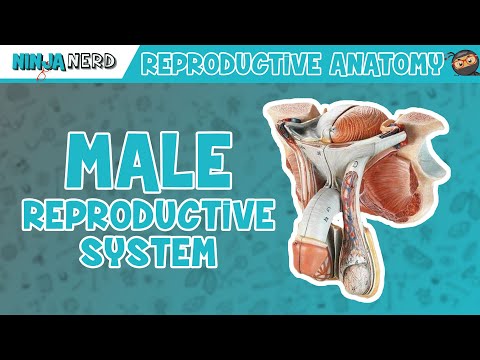
The Testes are probably the most well-known part. They’re two oval-shaped organs located in the scrotum. These guys are responsible for producing sperm and hormones, mainly testosterone. You know, testosterone is what gives males their secondary sexual characteristics, like facial hair and deeper voices.
Then we have the Scrotum, which is essentially a pouch that holds the testes. The thing is, it helps regulate temperature—sperm production works best at slightly lower temperatures than your body’s core temperature. If it gets too hot or too cold, the scrotum can move the testes closer or further from the body to keep things just right.
Now moving on to the Epididymis. This is a coiled tube attached to each testis where sperm mature and are stored. Think of it as a waiting room where sperm gain their swimming skills before heading out on their journey!
Next up is the Vas Deferens. It’s a long tube that transports sperm from the epididymis to the ejaculatory duct during ejaculation. It’s like an express lane for those tiny swimmers!
Speaking of transportation, there’s also the Seminal Vesicles. These glands produce seminal fluid that nourishes sperm, helping them along their way. This fluid makes up a significant portion of semen.
Don’t forget about the Prostate Gland, which adds even more fluid to semen and helps protect and energize sperm. Seriously, without this little guy, sperm wouldn’t be as effective in reaching their final destination.
Finally, there’s the Urethra. It serves as a dual-purpose duct: urine and semen both exit through here but at different times—thank goodness for that! During ejaculation, muscles around it contract to help push the semen out.
Lots of folks might not realize how intricate this whole system really is! Each part has its own role but works together seamlessly to ensure reproduction can happen. It’s a bit like an orchestra where every musician plays their part to create beautiful music—only this music leads to new life!
So yeah, understanding how these parts interact really gives you insight into male biology beyond just one aspect! Each component plays an essential role in ensuring everything runs smoothly when needed. That’s nature for you—well engineered!
Exploring the Female Reproductive System: Anatomy, Functions, and Health Implications in Scientific Research
Sure, let’s talk about the female reproductive system in a way that feels friendly and easy to grasp. It’s a pretty intricate system, and understanding it helps you appreciate how incredible our bodies are!
Anatomy of the Female Reproductive System
The female reproductive system mainly consists of these parts:
- Ovaries: Think of them as tiny powerhouses. They produce eggs and hormones like estrogen and progesterone.
- Fallopian Tubes: These tubes are like highways for the eggs. When an egg is released from an ovary, it travels down one of these tubes toward the uterus.
- Uterus: This is where a baby can grow if an egg gets fertilized. It’s basically a nurturing environment lined with tissue that thickens during each menstrual cycle.
- Cervix: Serving as the gateway to the uterus, it opens during childbirth and closes tightly at other times to keep things safe inside.
- Vagina: This is the passageway connecting the external body to the uterus. It plays a crucial role during childbirth and sexual intercourse.
Each part has its job, but they all work together like a well-rehearsed dance.
Functions of the Female Reproductive System
So, what’s going on with all this anatomy? Well, let’s break it down:
- Menstruation: Every month, unless pregnant, women go through menstruation. The lining of the uterus sheds if there’s no fertilized egg.
- Ovulation: About halfway through their cycle, ovaries release an egg—this is known as ovulation! This little guy has about 12-24 hours to get fertilized before it shrivels up.
- Pregnancy: If sperm meets that egg in the fallopian tube, congratulations! The fertilized egg then makes its way to the uterus to start growing into a baby.
- Lactation: After giving birth, breasts produce milk thanks to hormones working together with other systems in your body!
These functions are tied deeply into hormonal rhythms that are vital for overall health.
Health Implications in Scientific Research
Now let’s touch on health aspects since they’re super important too. Research in women’s health covers everything from reproductive disorders to pregnancy complications.
- PMS and Menstrual Disorders: Conditions like endometriosis can cause pain and affect quality of life. Scientists aim to find better treatments!
- Cancer Research: Ovarian cancer or cervical cancer research helps us understand risks better so we can improve screening methods for early detection.
- Hormonal Health: Studies on conditions like polycystic ovary syndrome (PCOS) look at how hormonal imbalances affect women physically and mentally.
- Pregnancy Outcomes: Investigating factors affecting pregnancy helps improve maternal-fetal medicine guidelines—believe me; this research saves lives!
In short, understanding female reproductive anatomy isn’t just about biology; it’s about improving women’s health and creating better outcomes through science!
Let me tell you a quick story: One time I sat down with my friend who’s been researching women’s health for years. She shared how her findings led to better awareness around early cervical cancer detection methods. Seeing her passion made me realize how crucial this work really is—it goes beyond textbooks; it’s life-changing!
So there you have it! The female reproductive system might seem complex at first glance but really isn’t so scary once you get a closer look!
Comprehensive Male Reproductive System Notes PDF for Science Students and Educators
It’s interesting to explore the male reproductive system, isn’t it? I mean, there’s so much going on down there that goes beyond what most of us think. So, let’s take a closer look at the anatomy and function of the male genital system.
First off, let’s go over some basic structures. The primary parts include:
- Testes: These are like the factories for sperm and hormones, mainly testosterone. They hang in the scrotum to keep cool because sperm needs a temperature just a bit lower than body temp to develop.
- Epididymis: This is where sperm mature and get stored. Think of it as a finishing school for sperm.
- Vas deferens: This tube transports mature sperm from the epididymis to the ejaculatory duct during ejaculation.
- Seminal vesicles: These produce fluid that nourishes sperm and helps create semen when mixed with sperm during ejaculation.
- Prostate gland: It secretes another fluid that makes up part of semen; it helps with sperm motility and survival.
- Penis: This is the external organ that delivers sperm into the female reproductive tract during intercourse. It also serves as a passageway for urine.
Now, here’s where things get a bit more complex—but I’ll keep it simple! Each part plays its own role in ensuring reproduction happens smoothly.
You might be interested in how everything connects. The testes are located in the scrotum—remember, that’s important for keeping temperature low. They produce testosterone which influences everything from muscle mass to mood (yeah, mood swings are real!).
Once sperms are produced in the testes, they travel to the epididymis to mature. You know what’s amazing? This process can take about three weeks! Once they’re ready to go, they shoot through the vas deferens.
And let’s not forget about hormones! Besides testosterone, luteinizing hormone (LH) and follicle-stimulating hormone (FSH) play significant roles too. They help regulate testosterone production and sperm development.
So now you’re probably thinking about how all this works together during reproduction. Well, when stimulation occurs (usually sexual), signals from your brain cause muscles around these structures to contract and push out semen through the urethra—making way for all those tiny swimmers!
Oh! And there’s one more curious thing—the prostate gland enlarges with age which can sometimes lead to difficulty urinating or other issues for older men. Just part of life!
Learning about this stuff can feel overwhelming at times but understanding our bodies is super crucial! It’s fascinating how everything works together so seamlessly yet distinctly.
So there you have it—a basic rundown on male genital anatomy from a scientific point of view that gives you insight into what’s happening inside! Pretty wild stuff if you ask me.
You know, when we think about male genital anatomy, it’s easy to overlook just how fascinating it really is. I mean, we all know the basics—there’s the penis, the scrotum, and some other stuff—but there’s so much more beneath the surface. And let me tell you; scientific research has been peeling back those layers in some pretty interesting ways.
Take a moment to picture this: a couple of years ago, I was hanging out with some friends at a BBQ. Somehow, the conversation turned to anatomy—classic topic for a summer evening! Someone casually mentioned how little most guys actually know about their own bodies. At first, everyone laughed it off, but then we realized that nobody was ready to share any deep insights. That got me thinking; maybe it’s time to shed some light on this subject.
So here’s the thing: male genital anatomy isn’t just about what you can see with your own eyes. It involves complex structures like blood vessels, nerves, and tissues that work together in ways most people don’t understand. For instance, did you know the penis isn’t just a single organ? It’s made up of three parts: the shaft and two erectile tissues called corpora cavernosa which are responsible for erections—yeah!
Research has shown how important blood flow is during arousal. When something stimulating comes along (you know what I mean!), signals travel from your brain down through nerves that tell those blood vessels to widen up. This lets more blood rush in—resulting in an erection! Isn’t that wild? And there are so many variations among individuals—all shaped by genetics and other factors.
And then there’s the scrotum—a pouch that actually plays a crucial role in temperature regulation for sperm production! The reason it’s located outside of the body? Well, sperm prefer cooler temperatures than what’s found inside our cozy abdomens. So yeah, nature figured out this whole balance thing ages ago.
But honestly? Beyond studies and facts, understanding this anatomy goes hand-in-hand with mental health and body image too. Like when guys have concerns or insecurities about their bodies—it can be really tough! Having honest conversations based on accurate information can help ease those worries.
To sum it all up—it might seem trivial at first glance but getting familiar with male genital anatomy opens up avenues for better health understanding and communication between partners too. And hey! Next time you find yourself at a party talking about anatomical wonders—or even feeling nervous—you’ll have some cool science facts up your sleeve! So why not embrace what you’ve got and learn more about it along the way?