So, have you ever tried to touch your toes and ended up feeling like a pretzel? Yeah, me too! That’s your spine calling out for a little help.
You know, the human spine is like this super complicated roller coaster ride. Seriously, there are twists and turns and all sorts of little surprises along the way.
Most folks don’t really think about it until they start feeling some back pain, right? But the spine does so much more than just hold you up; it’s got a wild story to tell!
Let’s take a peek at this marvel of anatomy together. You might just walk away with a newfound appreciation for that curvy backbone of yours!
Exploring the Five Distinctive Parts of the Spine: Insights from Anatomy and Health Science
The spine, that amazing structure running down your back, is more than just a support beam for your body. Seriously, it’s like a whole world of bones, nerves, and muscles packed into one system. So let’s break it down into its five main parts because they each play a significant role in how you move and feel.
Cervical Vertebrae
At the top, you’ve got the **cervical vertebrae**. There are seven of these little guys, labeled C1 to C7. They’re like the VIP section of your spine—they hold up your head and allow for movement in every direction! Think about how you can shake your head or look around; it’s all thanks to these vertebrae. C1 is particularly special because it supports the skull directly and allows nodding. This part of the spine helps with flexibility but also keeps your brain safe.
Thoracic Vertebrae
Next comes the **thoracic vertebrae**, which consist of twelve bones (T1 to T12). These are attached to the ribcage, so they help protect crucial organs like your heart and lungs. They’re not as mobile as cervical ones, since they’re designed for stability rather than flexibility. Ever thought about how you can’t twist that part of your back too much? That’s due to these thoracic bones!
Lumbar Vertebrae
After that, we dive into the **lumbar vertebrae**, which are five in number (L1 to L5). They’re basically where most of your lifting power comes from—think squats at the gym or picking up groceries! These bones are larger and stronger because they bear much more weight compared to those above them. If you’ve ever complained about lower back pain after lifting something heavy incorrectly—yeah, this is where it usually happens.
Sacrum
Then we have the **sacrum**, which is actually a single bone made up of five fused vertebrae (S1 to S5). It sits between your lumbar spine and tailbone. You might not think much about it until you realize it’s essential for connecting the spine with pelvis bones. It plays a big role in supporting weight when you’re sitting or standing.
Coccyx
Finally, let’s not forget about the **coccyx**, or tailbone if you want to get casual! It’s only made up of three to five small fused vertebrae at the very bottom of this whole structure. Believe it or not, even though it’s tiny and often overlooked, it helps with balance when you’re sitting down. Oh! And if you’ve ever had one of those awkward falls—yeah, that coccyx can definitely take quite a hit!
So there you have it! The human spine isn’t just one solid piece; it’s an intricate assembly line of different parts working together seamlessly under all kinds of conditions. Each section has its own unique purpose while contributing to overall health and mobility. Next time you bend over or stretch out—you’ll appreciate all those hard-working parts just a bit more!
The Unique Curvature of the Spine: Insights into Human Anatomy and Function
Let’s get into the fascinating world of our spine, shall we? It’s not just a bunch of bones stacked on top of each other; it’s this intricate structure that plays a huge role in how we move and function daily. You know, the human spine has this unique curvature that provides balance, stability, and flexibility.
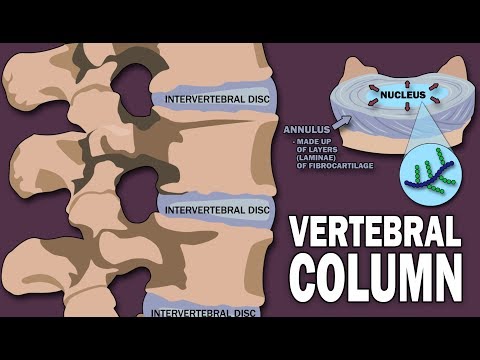
The human spine is made up of 33 vertebrae, which are grouped into five regions: the cervical (neck), thoracic (mid-back), lumbar (lower back), sacral (pelvic area), and coccygeal (tailbone). These parts are connected by intervertebral discs that act like shock absorbers. And here’s something really cool: the natural curves of your spine help you stand upright without falling over!
- Cervical Curve: This curve in your neck is shaped like a slight “C.” It helps support your head, which weighs about as much as a bowling ball! Seriously, it’s amazing.
- Thoracic Curve: In your upper back, this curve is more rounded. It helps protect vital organs like your heart and lungs while allowing for some flexibility.
- Lumbar Curve: Your lower back has a pronounced inward bend. This bit is crucial for lifting and bending without getting hurt.
You might be wondering why these curves matter so much. Well, here’s where it gets interesting! The curvature distributes weight evenly across the spine. You can think of it as a well-designed bridge: without those curves, we’d have a hard time standing or moving without straining muscles and ligaments.
I remember once seeing an elderly man struggle to stand up straight while walking his dog. It was heart-wrenching because I realized he was dealing with spinal issues that come with age. His spine lost some normal curvature through wear and tear over the years—a reminder that taking care of our backs is super important!
Also, did you know that poor posture can mess with these natural curves? Slouching or leaning forward can lead to pain or discomfort because it puts extra stress on different parts of the spine. So next time you catch yourself hunched over at your desk or while scrolling through your phone, consider straightening up—your back will thank you later!
The relationship between these curves isn’t just about aesthetics; it speaks to how our bodies are designed for movement—think bending down to pick something up or twisting around to see behind you. Each motion relies on how those vertebrae interact with one another.
- Motor Control: The central nervous system sends signals through the vertebrae to control movements.
- Sensory Functions: Those nerves also send feedback from various body parts so you can react quickly.
This brings us to one great fact about our spines: they’re resilient but need care! Regular exercise strengthens muscles around the spine and maintaining good posture keeps everything aligned nicely. Plus, stretching helps keep those intervertebral discs healthy and happy!
The unique curvature of your spine isn’t just design; it’s evolution at work! Every twist and turn serves a purpose and plays an integral role in keeping us grounded (pun intended!). So next time you’re aware of your posture or feel any discomfort in that area, remember all that’s happening behind the scenes in this remarkable structure called the human spine!
Exploring the Most Painful Spinal Conditions: Insights from Pain Management Science
Let’s talk about spinal conditions, specifically the ones that can be a real pain—in many senses of the word. The human spine is this amazing structure made up of bones called vertebrae, discs that act like cushions, and nerves that carry signals all over your body. When something goes wrong with this intricately designed system, it can lead to some pretty intense discomfort.
Here are a few of the most painful spinal conditions you might encounter:
- Herniated Discs: This happens when one of the discs in your spine gets pushed out of its normal place. Picture a jelly doughnut: if you squeeze it too hard, the filling might ooze out. That’s what occurs with herniated discs! The oozing part can press on nearby nerves, causing sharp pain or numbness.
- Sciatica: Ever had that shooting pain down one leg when you sit too long? That could be sciatica. It’s usually caused by irritation or compression of the sciatic nerve, which runs from your lower back down to your legs. Seriously annoying stuff!
- Spinal Stenosis: Think of this as a narrowing of the spaces within your spine. It can put extra pressure on your spinal cord and nerves, leading to pain, numbness, or weakness. Imagine trying to fit into a super tight pair of jeans—uncomfortable, right?
- Degenerative Disc Disease: This condition is basically wear and tear on those lovely discs I mentioned before. As we age (ugh), these discs can lose their cushioning ability and cause chronic back pain as bones start rubbing against each other.
The pain management science behind these conditions is pretty interesting too! Doctors often use different approaches depending on what’s going on.
For instance, some folks find relief through physical therapy. This helps strengthen muscles around the spine so they can support it better. Others might need medication, like anti-inflammatories or even stronger meds for severe pain. And then there are injections—sounds intense but sometimes they help reduce inflammation in specific areas.
You know what stinks? A study showed that nearly 80% of people will experience back pain at some point in their lives! Just imagine everyone walking around with their backs feeling like they’ve gone ten rounds with a heavyweight boxer.
A personal story: I remember a friend who struggled with back pain after an accident. It felt like he was always one wrong move away from being laid up for days—a total nightmare! He explored different treatments until he found one that worked for him It made all the difference; now he actually enjoys playing sports again!
The human spine is truly remarkable but also vulnerable to numerous issues that cause significant discomfort and challenges in life. With proper understanding and treatment options available through sciatica science, people have hope for managing their pains effectively!
So, you know, the human spine is like this incredible piece of engineering that carries so much weight—literally. I mean, just think about it! It’s not just a simple pole holding us up. It’s this intricate structure made up of bones, nerves, muscles, and more. Crazy right?
Let’s break it down a bit. Your spine is made up of these little bones called vertebrae. They’re stacked on top of each other like building blocks to create a flexible support system that lets you twist and bend (and let’s be honest, we all love to stretch after sitting too long!). Between the vertebrae are these gel-like cushions called discs that act as shock absorbers. Imagine jumping around and landing hard on your feet – those discs are what save your back from feeling like jello.
But here’s something that gets me every time: the spinal cord runs right down the middle of all those vertebrae. It’s like the main highway for messages traveling between your brain and the rest of your body. One wrong move can lead to some serious issues. A friend of mine had a slip while hiking last summer and ended up with a herniated disc—it was tough watching him in pain afterward; you could see how much he missed all those simple movements we take for granted.
Now there are also all these muscles and ligaments wrapped around the spine, giving it support while allowing us to move in different ways. Ever tried twisting your torso to grab something behind you? That’s those muscles working their magic! It’s amazing how they coordinate everything without us even thinking about it.
But hey, it’s not just about looks or function; there’s also a lot tied to overall health here too. Good posture helps avoid future problems, so being mindful when you’re sitting or standing can make all the difference over time.
Overall, just taking a moment to appreciate this complex anatomy makes you realize how unique our bodies are. Each part has its role, working together seamlessly (well most days anyway). So next time you’re stretching or feeling stiff after a long day at work—or maybe even after binge-watching your latest favorite show—take a second to thank your spine for getting you through life’s ups and downs!