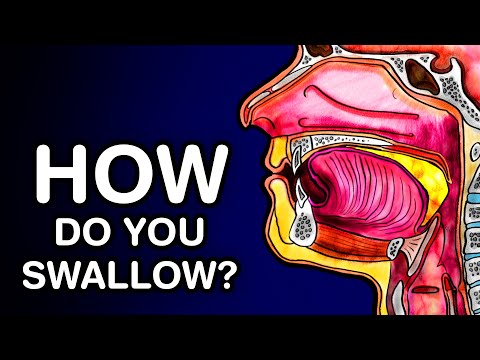
You know that moment when you accidentally swallow air and start to sound like a honking goose? Yeah, I’ve been there! It’s pretty embarrassing, but honestly, it got me thinking about how complex our throats really are.
I mean, who knew that tiny tube we take for granted could be so intricate? The throat is like this hidden maze of muscles and tissues that does a whole lot more than just help us eat.
Seriously, it’s not just for munching or chatting. It’s where breathing, tasting, and even singing all come together. So let’s take a little journey through the wild world of throat anatomy! You might just appreciate your next bite of pizza a little more after this!
Understanding the Anatomical Structure of the Throat: A Comprehensive Overview in Human Anatomy
Sure thing! Let’s break down the anatomy of the throat in a way that’s clear and engaging.
The throat, also known as the pharynx, is this incredible structure that connects your mouth and nasal passages to your esophagus and larynx. It plays a major role in both breathing and swallowing. How cool is that?
First off, your throat has three main parts:
- Nasopharynx: This is the upper part, located behind the nose. It’s like a passageway for air. You know when you have a cold? That stuffy feeling comes from mucus in your nasopharynx.
- Oropharynx: This middle section sits at the back of your mouth. When you swallow, food passes through here before heading down. It’s also where you get that lovely taste when you eat!
- Laryngopharynx: The bottom part connects to the larynx (that’s where your vocal cords are) and the esophagus. So it’s kind of like a crossroads for air going to your lungs and food going to your stomach.
Now, think about all those times you’ve accidentally swallowed water while laughing or talking. That’s because these sections have to work together perfectly! It’s fascinating how they coordinate so we can breathe and eat without choking.
Moving on, let’s chat about some key structures in the throat:
- Tonsils: You probably remember having yours removed if you were one of those unlucky kids! Tonsils help fight infections but can sometimes get inflamed.
- Epiglottis: This little flap acts as a lid for your windpipe when you swallow. It prevents food from entering your lungs—pretty smart, huh?
- Thyroid cartilage: Often called the Adam’s apple, it gives structure to the larynx. You might notice it more in guys because it tends to be more pronounced.
Also, let’s not forget about muscles! The throat has several muscles responsible for moving food down into the esophagus through a process called peristalsis. Imagine squeezing toothpaste out of a tube—that’s kind of how it works!
Anecdote time: A friend once told me about that embarrassing moment at dinner when they couldn’t swallow their drink because they were laughing too hard at a joke. They turned red as they struggled to breathe through their nose—totally relatable! Just goes to show how vital this whole system is.
In short, understanding throat anatomy gives us insight into everyday actions like speaking or eating. It’s remarkable how interconnected everything is! So next time you’re enjoying some ice cream or singing along with your favorite song, remember how much teamwork goes on inside that amazing organ we call our throat!
Understanding the Throat in Human Biology: Anatomy, Functions, and Importance in Health
Alright, let’s talk about your throat. You might not think about it much, but this little area of your body plays a huge role in your day-to-day life. It’s basically the gatekeeper for food and air. Pretty important stuff, right? So, here’s a breakdown of what your throat is all about.
The throat, or pharynx, is a muscular tube that runs from the back of your mouth to the top of your esophagus and windpipe. It’s divided into three main sections:
- Nasopharynx: This is the upper part that sits behind your nose. If you’ve ever had a cold and felt like you couldn’t breathe well through your nose, this is where the congestion happens.
- Oropharynx: This middle section is located at the back of your mouth. It’s where food and air mix before going down their respective paths!
- Laryngopharynx: The lower part connects to both the esophagus (for food) and the larynx (for air). It’s where things can get tricky because you don’t want food going down the windpipe!
Now, one of the coolest parts about your throat is how it helps with speech. The larynx, or voice box, sits right at the top and contains your vocal cords. When you talk or sing, air from your lungs passes through here and makes those cords vibrate, producing sound. Have you ever tried to make a sound without using your voice box? Surprisingly tough!
Your throat also plays an essential role in immune health. The tonsils are located in there as well—those little glands that sometimes get inflamed when you’re sick. They are part of your body’s defense system against infections. So when they swell up during illness, it’s actually them fighting off invaders.
You know what else? Your throat has its own built-in reflexes! Ever choked on something? That immediate cough or gag reflex is designed to protect you from swallowing something incorrectly.
Now let’s touch briefly on health because taking care of this area really matters! Issues like allergies can affect how you feel in the throat area—think scratchiness or swelling. And who hasn’t had a sore throat at some point? That can be caused by anything from allergies to infections like strep throat.
The bottom line is: Your throat might seem simple, but it does a lot more than just help you swallow or speak. It’s like an unsung hero in human biology! Keeping it healthy through hydration and avoiding irritants like smoke can go a long way toward maintaining good function here.
So there you have it! Understanding this intricate structure helps us appreciate just how vital our throats are every single day.
Exploring the Anatomy of the Throat: Key Structures and Their Functions in Human Biology
Alright, let’s chat about your throat. It’s like this super cool tunnel that connects your mouth to your stomach and lungs—pretty important, right? But, you know, it’s not just a simple tube. There are tons of intricate structures doing different jobs in there.
The throat, or pharynx, is basically divided into three sections: the nasopharynx, oropharynx, and laryngopharynx. Each part has its own roles that help you breathe and swallow.
- Nasopharynx: This is the uppermost part. It connects to your nasal cavity and helps with airflow when you breathe through your nose. Just imagine taking a deep breath of fresh air—this section makes sure it gets to where it needs to go.
- Oropharynx: Here’s where things get interesting! This middle section is shared by both food and air. It’s what helps you swallow and also gives a pathway for air going to the larynx (that’s the voice box). Ever tried talking while eating? Yeah, not easy!
- Laryngopharynx: At the bottom, this part connects to both the esophagus (for food) and trachea (for air). It ensures that food goes down the right path instead of blocking your airways—you definitely want that!
Now, don’t forget about the larynx, or voice box! It sits just below the pharynx and plays a crucial role in making sounds. You know that feeling when you’re cheering for your favorite team? That’s all thanks to this little guy!
Your throat also houses some super important muscles and tissues. There are muscles lining those sections making sure they can contract and relax properly during swallowing or speaking. And then there are tonsils.
The tonsils, particularly the palatine tonsils located in the oropharynx, are like little defenders of your immune system. They catch germs before they can sneak into your body via food or air. I remember getting tonsillitis as a kid—it was no fun! But those tonsils were just doing their job.
If we think about the overall function of these structures, it’s fascinating how they work together seamlessly—like an orchestra playing beautiful music! You breathe in, swallow food, speak with friends—all without even thinking about it.
This intricate design keeps everything running smoothly, which is why caring for our throats is so crucial. Staying hydrated helps keep those tissues moist; nobody wants a scratchy throat! And when you’re feeling under the weather? Resting those vocal cords can do wonders.
If you ever get curious about how something works in your body—like now with your throat—just dig in! Understanding these things can really empower you when it comes to taking care of yourself.
You know, whenever I think about the throat, it kind of blows my mind how intricate it is. It’s not just a simple tube that helps us swallow and talk, but it’s like a little universe in there. Seriously!
So, your throat is made up of several layers and parts. There’s the pharynx, which is that muscular tube that connects your mouth to your esophagus and larynx. Picture it as a highway where food and air share the same lanes but take different off-ramps. You have your esophagus for food to go down to the stomach, and then there’s the larynx where all that vocal magic happens. You know when you’re singing in the shower? Yeah, that’s your larynx doing its thing!
Now, here’s where it gets super interesting. Within this whole system are various structures like tonsils, epiglottis, and cartilage rings. They may seem small or unimportant at first glance, but each of them plays a critical role that keeps everything running smoothly. Like those tonsils – they’re like little guards for your body, helping fight infections when things get rough.
I remember once when I had strep throat as a kid; I was pretty miserable! But looking back now, I realize how important those tonsils were during my recovery. They were like tiny defenders trying their best to help me out!
Then you’ve got cartilage in the larynx—it’s what gives shape and support without being too rigid or harsh on your vocal cords. Think of it as flexible scaffolding; you can still bend and move around without collapsing under pressure.
It’s incredible how something we often take for granted—like simply swallowing or talking—is powered by such complex structures working in harmony together. That delicate balance keeps us healthy and lets us enjoy pizza parties with friends or belt out our favorite tunes (even if we’re pitchy sometimes).
So next time you’re having a meal or chatting with someone close by, pause for a moment and appreciate all those bits working behind the scenes just so you can enjoy life to the fullest—it sure is an amazing piece of biology!