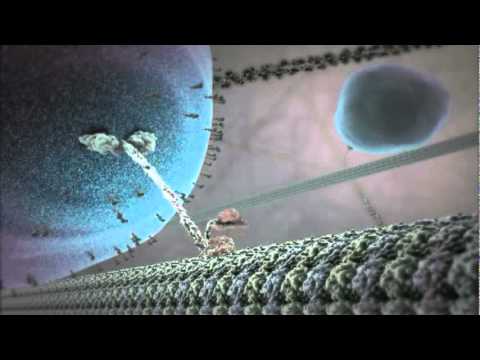
You know what’s wild? There’s a whole universe inside every single one of us. Seriously! Think about it: you’re walking around with trillions of little factories, each working tirelessly to keep you alive and kicking.
I remember when I first learned about cells in school. I thought they were just these boring little blobs. But then I found out they’re like tiny superheroes, each with a specific job to do!
So, picture this: a bustling city where every worker has their own role. That’s what our cells are like. Some build things, some tear them down, and others even protect us from invaders. It’s chaotic but, in some way, it all makes perfect sense.
Let’s take a peek into this intricate world together!
Exploring the Inner Life of the Cell: Unveiling Cellular Processes and Functions in Modern Science
So, let’s chat about cells. Yeah, those tiny building blocks of life. They’re like little factories, buzzing with activity and doing all sorts of cool stuff. When we dig into the inner life of a cell, we’re basically uncovering a world that’s teeming with processes and functions that keep everything alive and kicking.
First off, think about the cell membrane. It’s kind of like a gatekeeper, controlling what goes in and out. So, imagine you’re at a concert; the bouncers check your ticket before letting you in, right? Well, that’s what the cell membrane does—selectively letting nutrients in while keeping harmful stuff out.
Then we have the cytoplasm, which is basically the goopy soup where all this action happens. It’s filled with all kinds of things—organelles and molecules just floating around doing their thing. Imagine it as a bustling city; there’s always movement, people (or substances) going from one place to another.
Now onto the organelles! Oh man, these are where the magic really happens:
- Nucleus: This is like the control center or brain of the cell. It houses DNA, which contains all the instructions needed for making proteins and keeping everything running smoothly.
- Mitochondria: Often called the powerhouse of the cell. They generate ATP (that’s adenosine triphosphate) by breaking down sugars—kind of like how your car runs on gasoline!
- Ribosomes: These little guys are where proteins are made. You can think of them as assembly lines in a factory manufacturing products needed for survival.
- Endoplasmic Reticulum (ER): There are two types: rough ER has ribosomes (think of it as having workers on-site), while smooth ER helps with lipid synthesis and detoxification—the cleanup crew!
- Golgi Apparatus: This is like the post office; it modifies proteins and sends them to their final destinations within or outside of the cell.
When cells need energy or materials to survive—and they constantly do—they rely on these organelles to collaborate efficiently. It’s wild to think about how much teamwork goes on inside each tiny cell!
But wait! We can’t forget about cellular division. Cells reproduce through a process called mitosis—you know, where one cell becomes two? This is key for growth and healing. When you cut yourself, cells start dividing to close that cut up pretty quickly!
There’s also this fascinating thing called cell signaling. Cells communicate with each other using chemical signals. Imagine texting your friends when you want to hang out—that’s how cells send messages to tell each other when it’s time to grow or when there’s an infection and they need to fight back.
So basically, every single day your body relies on these amazing cellular processes without even you realizing it! Just think: every breath you take involves countless cells working hard behind-the-scenes.
In modern science, researchers are getting better at studying these processes too! Techniques like fluorescence microscopy allow scientists to see what happens inside living cells in real-time—like peeking into their secret lives!
To wrap this up—cells might be tiny but they’re anything but simple! There’s so much going on in there—a universe in miniature form. Every function feeds into another in some intricate dance that sustains life itself. So next time you’re feeling overwhelmed by life’s complexities, just remember: your cells have got your back!
Unveiling Cellular Complexity: Advanced Techniques for Detailed Insights into Cell Interiors
Alright, let’s chat about the microscopic wonders that are cells. They’re basically the building blocks of life, right? But what’s inside those tiny structures? You wouldn’t believe the complexity! So, uncovering what’s going on in there is super important for science.
First off, cells are like little factories. They’re constantly buzzing with activities that keep organisms alive. To get a good look at what’s happening inside, scientists have developed some seriously cool techniques. Let’s break that down a bit.
1. Microscopy
You may have heard of this one before! Microscopes have been around for ages but they keep getting better. Traditional light microscopes can show us some basics but can’t really dive deep into cell interiors. Here comes something called electron microscopy. This tool uses electrons instead of light to create super detailed images—like seeing a grain of sand compared to a mountain! It helps us visualize structures like mitochondria or ribosomes.
2. Fluorescence Imaging
Now here’s where things get even cooler! With fluorescence imaging, scientists tag specific proteins inside cells with fluorescent dyes. When you shine a light on them, they glow in different colors—making it easier to see what they’re up to and where they are located within the cell. It’s kinda like having a disco party inside the cell!
3. Advanced Imaging Techniques
There’s also something called super-resolution microscopy. Sounds fancy, right? This technique allows scientists to see details smaller than what traditional microscopes could show. It helps reveal interactions between different cell parts just as they happen—like catching your two friends in mid-conversation!
4. Live Cell Imaging
This is awesome too! Instead of looking at dead cells, researchers can observe live ones in real time using advanced imaging techniques. It’s almost like watching a nature documentary but way more scientific! You can see how cells divide or how they respond to certain stimuli while still alive.
5. Mass Spectrometry
Okay, let me tell you about another method: mass spectrometry—it sounds complicated but stick with me! This technique analyzes molecules within cells by measuring their mass and charge—which is kind of like figuring out the weight class of wrestlers so you know how strong they are! This helps identify proteins and metabolites crucial for figuring out cell functions.
When I think about all these methods, I’m reminded of my high school bio lab when we tried staining onion skin cells—sure it was just an onion slice under a microscope but seeing those little structures gave me chills! The thought that such complex activities were happening beneath the surface was mind-blowing.
So yeah, exploring cellular complexity nerds out on all these amazing tools and tricks we’ve got now! These techniques are pushing boundaries every day and helping researchers tackle everything from understanding diseases to developing new treatments.
To sum it up: We’re only scratching the surface here (pun intended!). Each technique offers unique insights into cell anatomy and their inner workings—and who knows what we’ll discover next? The future looks bright (and colorful), my friend!
Exploring the 17 Essential Parts of a Cell: A Comprehensive Guide to Cell Biology
Alright, let’s jump into the fascinating world of cells! You know, those tiny building blocks of life that are super essential to pretty much everything alive on this planet? Yeah, they’re kind of a big deal. So, here’s a look at some of the key parts that make up these microscopic wonders.
Nucleus: This is like the cell’s command center. It holds all the DNA, which contains the instructions for making you and everything else. Think of it as a library full of blueprints!
Cytoplasm: Imagine this as the jelly-like substance inside the cell. It fills up space and houses all organelles, keeping them in place. Without it, things would just float around randomly!
Cell Membrane: This is like a protective barrier around the cell. It decides what gets in or out—kind of like a bouncer at a club! Only very specific substances can pass through.
Mitochondria: Often called the “powerhouse” of the cell, these guys convert food into energy (ATP). You can think of them as little energy factories buzzing away inside you.
Ribosomes: These are tiny but super important! They make proteins by reading RNA messages. You know how recipes work? Ribosomes follow instructions to whip up proteins that do all sorts of jobs in your body.
Endoplasmic Reticulum (ER): There are two types: rough and smooth. The rough ER has ribosomes on it and helps make proteins, while the smooth ER is involved in making fats and detoxifying harmful substances.
Golgi Apparatus: Picture this thing as a post office for proteins. It modifies, sorts, and packages them before sending them off to their destinations inside or outside the cell.
Lysosomes: These are like recycling centers; they break down waste and unwanted materials. If something goes wrong inside your cell, lysosomes step in to clean up!
Cytoskeleton: Okay, think of this as the cell’s framework. It provides structure and shape while also helping with movement—like scaffolding for construction workers at a building site.
Centrioles: These little tubes play key roles during cell division—they help ensure that when cells split apart, everything goes smoothly into each new daughter cell.
Plysosome:This part takes charge of breaking down fatty acids and generating energy during fasting periods—like an emergency power supply when food is scarce!
Nucleolus:This is found within the nucleus; it’s where ribosomal RNA (rRNA) is made. So basically, it’s where some pretty cool production magic happens!
Cilia/Flagella:If you think about it these structures are like tiny hairs or tails on some cells that help them move around; cilia cover a lot of surfaces while flagella are long tails for swimming cells.
Vesicles:You can imagine vesicles as little delivery trucks within cells—they transport materials from one part to another—it’s all about moving cargo efficiently!
Pores (Nuclear Pores):This plays an important role too! They allow specific molecules to enter or exit the nucleus—like security checkpoints for important papers coming in or out!
So there you have it! While there are more parts and details we could dive into regarding cellular functions or differences between plant and animal cells (oh boy!), these 17 components give you a solid grasp on how life operates at its most fundamental level—exciting stuff if you ask me! Each plays its role like members of an orchestra coming together to create beautiful music—or life itself!
You know, when you think about cells, they seem so tiny and simple at first glance. But the truth is, dive a little deeper, and you’re in this complex, mind-blowing universe. It’s like discovering an entire city bustling with life just beneath your skin!
So, let’s chat about cell anatomy. At the core of every living thing, cells are basically the building blocks of life. You’ve got different types—plant cells and animal cells—and they’re like two distinct neighborhoods in the same town. Plant cells have those cool cell walls and chloroplasts that catch sunlight, while animal cells are more like the cozy homes we live in—flexible and ready to mingle.
Now here’s where it gets really interesting: think about mitochondria! They’re essentially the powerhouses of the cell. I remember learning about them in school and imagining tiny factories working away to keep everything running smoothly. They remind me of that time my friends and I tried to pull an all-nighter for a school project. We were chugging coffee like it was our lifeline! Mitochondria do something similar—they produce energy for the cell to keep it functioning.
Then there are ribosomes—those little protein factories! It’s wild thinking about how they churn out proteins like a chef whipping up dishes in a kitchen. Each cell has them busily working to create what the body needs. And let’s not forget the nucleus; it’s like the command center where all the important instructions hang out.
Sometimes I get caught up just pondering how each part communicates with one another. One small mistake can lead to big issues; it’s kind of poetic in a way, don’t you think? Like a team trying to win a game but miscommunicating on a critical play. When all these cellular players work together flawlessly, it’s pretty magical—but just one little hiccup can mean trouble.
So yeah, as you navigate through life, maybe take a moment to appreciate these invisible cities within us all. Cells may be small but their world is vast and intricate—a reminder that even in simplicity lies complexity waiting to be uncovered!