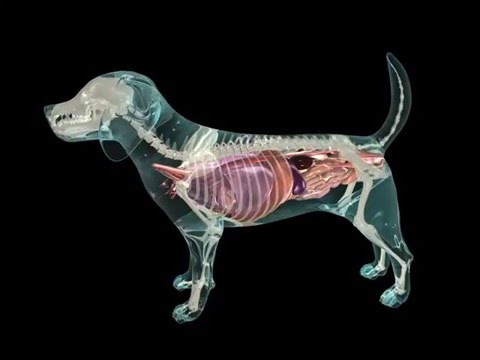
You know what’s funny? Dogs can literally make their legs look like they’re doing the cha-cha when they run. I mean, have you ever seen a pup sprinting after a squirrel? It’s like a dance party on four legs!
But there’s so much going on under all that fur and cuteness, right? Their legs are like a well-oiled machine, perfect for chasing balls and digging up your favorite plants.
Each part of their leg has its own job, from helping them leap over fences to keeping them steady when they’re just chillin’ out. So let’s break it down together! You’ll be amazed at how much science is packed into those furry limbs.
Exploring Canine Hind Leg Anatomy: A Detailed Study of Muscular Structures and Function
Well, let’s talk about the fascinating world of canine hind leg anatomy. You see, dogs are built for all sorts of incredible activities. From sprinting to jumping, their hind legs play a crucial role in how they move around. So, it’s pretty cool to break this down a bit!
The Basics of Canine Hind Leg Anatomy
The hind leg is basically divided into several key parts: the hip, thigh, knee, lower leg, and foot. Each part has its own set of muscles and bones that work together seamlessly.
- The Hip Joint: This is where everything begins. The femur (the big bone in the thigh) connects to the pelvis at the hip joint. This joint allows a wide range of movement.
- The Thigh Muscles: The main muscles here include the quadriceps and hamstrings. The quadriceps help with extension (think kicking your leg out), while the hamstrings are all about bending the knee.
- The Knee Joint: It’s not just any hinge; it’s a crucial part that acts like a door for movement! It connects the femur to the tibia (the main bone in your lower leg).
- Lower Leg: In dogs, this area houses two main bones: the tibia and fibula. They give structural support for walking or even running at full speed!
- The Paw: It’s made up of various small bones called phalanges and metacarpals that work together to provide balance and grip.
Muscles at Work
Now let’s get into what makes these legs so powerful—muscles! Canine hind legs have some seriously impressive muscles.
– **Quadriceps:** This muscle group is located at the front of your dog’s thigh. When they extend their leg out while running or jumping, these guys are doing major heavy lifting.
– **Hamstrings:** Positioned at the back of their thigh, these muscles pull during flexion—like when your dog tucks in their back legs while leaping off a cliff or something (not that we recommend that).
– **Gastrocnemius:** This muscle runs along your dog’s calf area and plays a huge role when they’re pushing off from a sit position or sprinting after a squirrel.
So you see? Each muscle has its job—and they knock it outta the park.
Functionality in Action
All this anatomy serves an important function! Think about it: when a dog runs or jumps, it’s like watching a well-oiled machine in action. Their hind legs allow them to maintain balance and agility while running fast or making sharp turns.
Dogs need efficient use of energy too! A well-structured hind leg helps them conserve energy during activities like long-distance running versus short bursts of speed.
Anecdote Time!
I’ll never forget watching my neighbor’s Labrador zoom around our backyard one summer afternoon. One moment he was lounging by my feet; next thing I knew, he was airborne over our old wooden fence! His hind legs kicked off with such power—it was mesmerizing! But you could really see how all those parts worked together to propel him forward.
So there you have it—the anatomy behind those powerful canine hind legs! Next time you see dogs racing around playing fetch or doing zoomies in endless circles, just remember: there’s some serious science behind all that fun!
Exploring the Structure and Function of Canine Anatomy: A Scientific Overview
The anatomy of dogs is pretty fascinating, especially when it comes to their legs. You might have noticed how different breeds have distinct leg shapes and sizes, right? That reflects their specific needs and lifestyles! Let’s break down the structure and function of canine leg anatomy in a way that’s easy to digest.
First off, the basic structure comprises several key components:
- Bones: The dog’s legs consist of long bones like the femur (the thigh bone), the tibia, and fibula in the lower leg. These bones give strength but also allow for mobility.
- Muscles: Muscles work like engines. They contract and relax, letting the dog run, jump, and play. The quadriceps at the front of the thigh help with extending the knee.
- Tendons: These tough cords connect muscles to bones. For example, the patellar tendon links your dog’s kneecap to its shinbone – this helps with running and jumping.
- Ligaments: Ligaments are crucial for stability. They connect bone to bone at joints. The cruciate ligaments in a dog’s knee support movement while keeping everything stable.
- Joints: Think of joints as hinges! Dogs have several key joints in their legs: shoulders, elbows, knees (or stifles), and hocks (ankles). Each joint plays a vital role in mobility.
So why does all this matter? Well, each part is designed with a purpose! When you see your dog take off after a squirrel or leap over a log, it’s all about that amazing anatomy working together.
The forelimbs, or front legs, support about 60% of a dog’s weight. This includes strong muscles that allow for powerful movements like sprinting or stopping quickly. Ever seen those sleek Greyhounds race? Their limbs are built for speed!
On the other hand, hind limbs, or back legs, provide propulsion. They’re crucial for jumping high or sprinting fast thanks to their strong muscles and long bones. Think about how your pooch hops into your lap—those back legs are doing all the heavy lifting.
But hey, it’s not just about movement; there’s a lot going on behind the scenes too! Canine leg anatomy also contributes to things like balance and endurance. Have you ever watched your pup stand on three legs while scratching an itch? That’s some serious balance skills at play!
It’s interesting how differences in anatomy reflect each breed’s background. A Dachshund has short legs suited for burrowing into tunnels while a Saint Bernard boasts massive limbs for stability in snowy conditions.
Finally, let’s think about health implications too. Understanding these structures helps us recognize when something’s off—like if your dog limps or seems reluctant to run around as usual.
So there you have it! Canine leg anatomy may seem complex at first glance but break it down into its parts and functions, it’s all about supporting movement—making your furry friend the playful companion you know and love!
An In-Depth Exploration of Dog Leg Anatomy: Understanding Ligaments and Their Role in Canine Mobility
So, let’s talk about dog leg anatomy, particularly ligaments and how they help those furry friends of ours move around. You know, it’s pretty amazing how much goes into a simple action like running or jumping. We often take for granted what happens inside those cute legs.
First off, the dog’s leg is made up of several key parts: bones, muscles, tendons, and yes—ligaments. Ligaments are like the glue that holds everything together. They connect bones to other bones at joints and help stabilize them while allowing movement. This is super important for keeping your pup agile and ready for a game of fetch!
Now, let’s get a bit more technical, but don’t worry—I’ll keep it light! The main ligaments in a dog’s leg include:
- Cruciate ligaments: These are in the knee joint (or stifle) and come in two parts—the cranial (front) cruciate ligament and the caudal (back) cruciate ligament. They prevent the tibia (the bigger bone in the lower leg) from sliding out of place.
- Collateral ligaments: One on each side of the joint, these provide lateral stability—think of them as the side guards that keep things from flopping around too much!
- Patellar ligament: This connects the kneecap to the shin bone and helps with extending (or straightening) the knee.
These ligaments work together to allow complex movements like running or even doing spins when your dog gets excited about their favorite toy!
But here’s where things can get tricky. Just like us humans can twist an ankle or strain a muscle, dogs can tear or injure their ligaments too. It’s heartbreaking to see our pets limping around because they can’t run freely anymore. I remember once seeing my buddy’s dog trying to hop on three legs after tearing its ACL—it was both sad and fascinating how they adapted.
When ligaments get injured in dogs—especially those cruciate ones—it can lead to pretty big problems like arthritis down the road if not treated properly. Vets often suggest rest, physical therapy, or sometimes even surgery depending on how bad it is.
Understanding how all this works highlights why keeping your pooch healthy through exercise but also avoiding excessive strain is so important! A strong set of muscles helps support those ligaments too; it’s all interconnected really.
So next time you watch your dog race after that ball or leap over a stick at the park, think about all those hard-working ligaments working behind the scenes! Dogs might make it look easy when they run around all excitedly—but trust me; there’s a whole lot going on inside those legs!
Alright, so let’s chat about the fascinating world of canine leg anatomy. You know, when you see a dog running around, all happy and wagging its tail, you might not think much about how their legs work. But seriously, there’s a lot going on beneath that fur!
First off, if you really look at a dog’s leg, it’s kind of like a super cool mix of strength and flexibility. The bones work together with muscles and tendons to give them that incredible ability to sprint after a ball or jump over puddles. It’s impressive! Like, just the other day I watched my friend’s Golden Retriever gracefully leap over a stick as if it was nothing. The way those legs are designed makes it possible for them to be agile and quick.
You’ve got the femur in the thigh, which is basically the big guy holding everything together. Then there’s that funky kneecap – called the patella – which helps with movement and protects the knee joint. And let’s not forget about all those little bones in their paws! Each one plays a role in how they walk or even just stand still. It’s wild to think about how everything fits together to create such an intricate system.
But here’s what really gets me: dogs don’t just use their legs for running or playing; it helps them express themselves too. Ever notice how excited they can get when they see their favorite humans? Their whole body moves with joy—their legs become part of that dance! It makes me realize how vital those limbs are beyond just physical function.
And while we’re talking anatomy, there’s also something heartwarming about knowing that every breed has unique leg structures based on what they were bred for—like those beautiful Greyhounds built for speed or bulldogs designed more for strength. It’s like their legs tell a story of who they are!
So yeah… next time you’re out with your pup at the park or even just chilling at home, take a moment to appreciate those amazing legs supporting all that happiness. It’s not just about being cute or cuddly; there’s some serious science behind their structure and function too! Pretty cool stuff if you ask me!