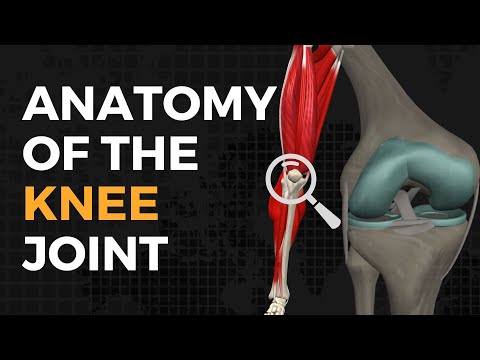
You know that weird, squishy part behind your knee? The one that nobody ever talks about? It’s called the popliteal fossa. Sounds fancy, right?
I remember the first time I banged my knee on something, and my friend was like, “Just rub the back of your knee!” I’m thinking, “What even is that?”
Well, turns out there’s a lot going on back there! It’s not just a random dip. It’s packed with tendons, nerves, and blood vessels. Seriously!
So let’s take a closer look at what’s happening in that hidden little nook. You might be surprised by how cool and complicated it really is. Buckle up!
Understanding the Scientific Terminology for the Popliteal Region: Is There a Name for the Back of the Knee?
So, let’s get right into it! The popliteal region is the fancy name for the area at the back of your knee. When you think about it, this part of your body is super important because it houses some key structures that help you bend and move your leg with ease.
You might hear people refer to this area as the knee pit too, and yeah, it sounds a bit odd! But when you look at how it functions, you realize just how cool and complex the knee really is. Seriously, behind that simple bending action, there’s a whole lot going on.
The popliteal area isn’t just empty space. It contains several important components. Here are some of them:
- Nerves: The most notable one here is the tibial nerve. It runs through this region, helping in sensation and movement control.
- Blood vessels: You’ve got arteries and veins weaving in and out. The popliteal artery branches off from the femoral artery and supplies blood to your lower leg.
- Tendons: These connect muscles to bones. In this area, tendons from various muscles converge to help with knee motion and stability.
- Lymph nodes: Yeah, even lymph nodes show up here! They play a role in your immune system by filtering lymph fluid.
I remember one time when I sprained my knee playing basketball. I could feel pain right in that popliteal region! A physical therapist explained to me how everything was interconnected there—muscles pulling on tendons, which affected my overall mobility. It was like a light bulb went off in my head!
The term “popliteal” actually comes from Latin: “poples,” meaning ham or back of the knee. So now you know where that term originated. And while it may sound all high-tech or academic, it’s just a way for professionals to talk about something we all have!
If you’re ever looking into knee anatomy or even considering any type of injury or condition related to your knees, understanding what happens in that popliteal space is crucial. You can think of it as a central hub where many structures meet up for work—like rush hour traffic but inside your leg!
In summary, yes! There’s definitely a name for the back of your knee: it’s called the popliteal region. And next time someone brings it up? You can totally impress them with your knowledge!
Exploring the Anatomy of the Posterior Leg: A Detailed Examination of Structures Behind the Knee
The back of the knee, known as the popliteal fossa, is kind of like a mysterious little treasure chest filled with important structures. When you look at it, you might just see a bend or a crease. But oh man, there’s so much more going on beneath the surface!
First off, this area is surrounded by some pretty significant muscles that play a key role in leg movement. The hamstrings, which are three muscles located on the back of your thigh, come down and attach in this region. They help you bend your knee and extend your hip. Think about them like strong ropes that allow for smooth movements when running or jumping.
Then there’s the popliteal artery and its accompanying veins. These vessels are crucial because they carry blood to and from your lower leg and foot. Imagine trying to run around with poorly circulating blood. Not cool, right? This artery runs through the popliteal fossa before branching off into smaller arteries that supply your calves and feet.
Now let’s talk nerves! The big player here is the tibial nerve, which branches from the sciatic nerve way up in your buttocks. This nerve provides sensation to parts of your lower leg and foot while also controlling muscle movements there. You can feel its importance whenever you tap your toes or wiggle them around.
But wait, there’s even more! Inside this popliteal vault, you’ll find lymph nodes hanging out, doing their job of filtering harmful substances from lymph fluid that travels through this area. It’s like having tiny security guards keeping watch over what comes in and out of your body!
Also present are several important tendons—like the ones from various muscles that help stabilize the knee joint itself. These tendons connect muscles to bones, allowing for smooth movement with every step you take.
Injuries can sure happen in this area too! Any damage can lead to pain or discomfort behind the knee—just think about how hard it must be to walk with that nagging feeling back there.
So next time you bend down or sit cross-legged on a warm day, just remember: there’s quite a lot happening behind those easily ignored structures by your knees! Each part plays its role to keep everything functioning properly when we walk up stairs or chase our friends at full speed—how cool is that?
Exploring the Emotional Connection: The Science Behind Emotions Stored in the Knees
Oh man, emotions stored in the knees? That sounds like something straight out of a sci-fi movie, right? But there’s actually some interesting stuff behind this concept. Let’s break it down.
Emotions are complex, you know? They affect us mentally and physically. You might’ve noticed how stress can tense up your body or how happiness can make you feel light as a feather. So where do the knees fit into all this? Well, they’re more than just joints that help us walk or run; they might also be tied to our emotional experiences.
The Anatomy of the Knee
So first up, let’s chat about what makes up the knee. It’s a pretty intricate joint! It includes bones (like the femur and tibia), ligaments (which hold things together), cartilage (that smooth stuff that helps with movement), and even tendons (which connect muscles to bones). Each part is important for physical functionality.
- Anterior cruciate ligament (ACL)
- Posterior cruciate ligament (PCL)
- Medial collateral ligament (MCL)
- Lateral collateral ligament (LCL)
What’s intriguing is how these anatomical parts can also reflect emotional states. When we’ve been through stress or trauma, our bodies remember those feelings, sometimes even storing them physically in certain areas, like the knees. Imagine twisting your knee and feeling a wave of anxiety hit you; it’s like those moments can get trapped in your body.
The Mind-Body Connection
You know when you feel nervous before a big presentation? Your stomach might churn, but sometimes tightness creeps into your knees too. This phenomenon speaks volumes about our mind-body connection. Stress hormones flood through us during emotional moments, influencing muscle tension throughout different areas—including our knees.
In some cultures, people believe specific emotions are linked directly to certain body parts. For example, anger might be felt in the liver while sadness could be tied to heartache. In this sense, maybe we shouldn’t write off the idea that legs—and especially those hardworking knees—can carry emotional weight too.
The Role of Movement
Now here’s where it gets even cooler: movement plays a big role! Think about how we express joy when dancing or running freely. It releases endorphins and reduces stress levels! But when injury happens—like twisting a knee—the connection to our emotions may change. Suddenly activities we enjoy become sources of frustration or fear.
This experience reminds me of when I twisted my own knee trying to show off on a skateboard as a kid. As I limped away from that encounter with asphalt and my pride bruised, I could almost feel those emotions locked up right there in my knee!
Mental Health Considerations
Supporting all this is research showing how chronic pain can lead to mental health issues like anxiety and depression which only adds another layer of complexity! If your knees hurt all the time due to conditions like arthritis or past injuries, it can affect not just your movement but also your mood—making those emotional connections even tighter than they already are.
So basically—and here’s the kicker—it seems there might just be something real about emotions being stored in our bodies… including our knees! While there’s still much research needed on this topic—it opens new pathways for understanding both physical rehabilitation and emotional healing together!
In summary: The science behind emotion storage in places like the knee speaks volumes about how deeply connected our mental states are with our physical being. Whether it’s from stress responses or trauma held within those joints—the journey toward healing involves recognizing both aspects together!
You know, the back of the knee, or the popliteal region if you wanna get all fancy with it, is kinda fascinating when you think about it. It’s one of those areas that you hardly ever pay attention to unless something goes wrong. I remember playing soccer back in high school and twisting my knee during a game. The pain shot right through me, and I realized how crucial that area is for movement. It was a real wake-up call about just how much we take our bodies for granted.
So what’s going on back there? Well, it’s like a little hub of important stuff that keeps your leg moving smoothly. First off, there are muscles like the hamstrings that play a huge role in bending your knees. They’re like those strong friends who help you lift heavy things—you don’t notice them until you need them! And then you’ve got tendons, which connect those muscles to bones. One major tendon in that spot is the popliteus tendon; it’s kind of a little helper that unlocks your knee when you’re bending or straightening your leg.
But wait—there’s more! You also have blood vessels running through there— arteries and veins doing their thing to supply blood to your legs and feet. And let’s not forget about the nerves—like the sciatic nerve—that help control muscle movement and sensation in your lower leg.
All this structure makes it super important for activities like walking, running, or even just standing still without feeling wobbly. But here’s where it gets tricky: because there are so many components packed into such a small space, injuries can happen pretty easily if you’re not careful. Some people might deal with things like cramps or even tears from sports or just overdoing it at the gym.
Thinking about all this reminds me of how resilient our bodies can be—even when we sometimes treat them poorly! It’s amazing how everything works together seamlessly most of the time but can become an absolute mess over something seemingly small. So next time you’re stretching or trying to find comfort while sitting down for too long, take a moment to appreciate all that’s happening behind your knee! There’s more than meets the eye back there for sure.