Ever wake up in the middle of the night, staring at the ceiling, wondering why on earth you can’t fall back asleep? Or maybe you’ve noticed how your mood swings with the seasons? It’s like, one minute you’re ready to conquer the world, and the next, you’re binge-watching cat videos.
Well, here’s a fun fact: there’s a tiny part of your brain that’s a big deal when it comes to all this—the hypothalamus. Seriously! It’s like the control center for so many things in your body. And don’t forget about its buddy, the pineal gland. This little gland might be small, but it’s got some major responsibilities too.
So let’s chat about how these two players impact your health—your sleep patterns and even your overall vibe. You ready for this?
Exploring the Functions of the Hypothalamus and Pineal Gland in Human Physiology
The human body is a pretty amazing machine, right? And when it comes to keeping everything in check, two small but mighty players step into the spotlight: the hypothalamus and the pineal gland. These guys might be tiny, but they have some serious roles in making sure we function smoothly.
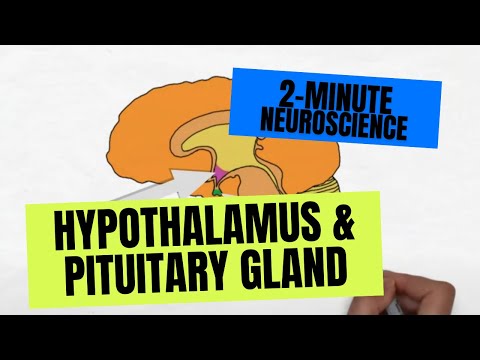
So, let’s start with the hypothalamus. This little almond-shaped structure is located just below your thalamus, hanging out in the brain. It’s like the conductor of an orchestra, coordinating a lot of important bodily functions. Seriously! Here’s what it does:
- Temperature Regulation: It helps maintain your body temperature. When you’re cold, it triggers mechanisms like shivering to warm you up.
- Hunger and Thirst: Feeling peckish or parched? The hypothalamus regulates your appetite and thirst by sending signals to eat or drink.
- Sleep-Wake Cycle: It plays a role in your circadian rhythms, which are basically your internal clock that tells you when to sleep and when to be awake.
- Hormone Regulation: This is a big one! The hypothalamus helps control hormones released from the pituitary gland, which can affect growth, metabolism, and stress levels.
I remember once feeling super tired during the day and couldn’t figure out why. Turns out my sleep cycle was off because I had been staying up late binge-watching shows! My hypothalamus was definitely trying to tell me something.
Now let’s chat about the pineal gland. It’s this tiny pea-sized gland located near the center of your brain. You might’ve heard about it as “the third eye” from various spiritual teachings. But beyond that mystical vibe, it has its own special gig:
- Melatonin Production: The pineal gland produces melatonin, a hormone that makes you sleepy when it’s dark outside—kind of like nature’s way of getting you ready for bed!
- Circadian Rhythms: Just like the hypothalamus, it helps regulate our internal clock by responding to light and dark cycles.
You know how after a long day in front of screens you just can’t seem to sleep? That’s often because blue light from devices messes with melatonin production. Your pineal gland gets confused about whether it’s night or day!
Together, these two structures really pull their weight for us in health considerations. When they’re functioning well, they help keep our bodies balanced—think mood stabilization, energy levels management, and sleep quality enhancement.
In short: both the hypothalamus and pineal gland work together like a dream team! They regulate essential functions that help us stay healthy—like keeping our body temperature just right or making sure we get enough rest at night. So next time you’re feeling tired or hungry or just plain out of sync with your body rhythms, think about these little guys working hard behind the scenes!
The Significance of the Pineal Gland in Health: Insights from Scientific Research
The pineal gland is this tiny, pea-sized structure located deep in the brain. You wouldn’t even think it plays a huge role in our health, right? But seriously, it’s like a little maestro conducting the symphony of our body’s rhythms. It produces melatonin, which helps regulate our sleep-wake cycles. You ever notice how you feel sleepy after a long day? That’s melatonin doing its job.
So what’s the big deal about melatonin? Well, it helps signal your body when it’s time to sleep and wake up. Without enough of it, you might find yourself tossing and turning all night or waking up feeling like a zombie. Studies suggest that irregular sleep patterns can lead to serious issues, including mood disorders, weight gain, and even some chronic illnesses.
Now let’s talk about the hypothalamus. This brain region is like your internal thermostat. It regulates everything from body temperature to hunger and thirst. The remarkable thing is that the hypothalamus and pineal gland work together like best buddies. The hypothalamus sends signals to the pineal gland to produce melatonin based on light exposure. So when it gets dark outside, your body knows it’s time to start winding down.
Here are some key points about their roles:
- The pineal gland secretes melatonin mainly at night.
- It influences your circadian rhythm – that’s your internal clock regulating sleepiness and alertness.
- The hypothalamus controls various autonomic functions such as temperature and hunger.
- Together, they affect emotional health through their impact on sleep.
You know what else is interesting? There are studies showing that disruptions in melatonin production can lead to problems beyond just feeling tired. For instance, people with irregular sleep patterns have higher risks of developing conditions like obesity or diabetes. It kind of makes sense when you think about how vital sleep is for recovery and metabolism.
Another thing worth mentioning is the potential impact of light exposure on these glands’ function. Ever notice how artificial lights can mess with your sleep? Blue light from screens can trick your brain into thinking it’s daytime! This not only affects melatonin production but can also mess up those important circadian rhythms we talked about earlier.
You could say this partnership between the pineal gland and hypothalamus really underscores how interconnected our bodies are—you know? They’re constantly communicating to keep everything running smoothly. So next time you’re struggling after a sleepless night or feel off-kilter during the day, think about those little glands in your brain working hard behind the scenes.
In summary, understanding these two structures helps shed light—no pun intended—on how crucial they are for maintaining balance in our bodies! And honestly? The more we learn about them through science, the better equipped we’ll be to tackle those everyday challenges related to health and well-being.
Understanding Pineal Gland Dysfunction: Impacts on Health and Well-Being in Scientific Research
The pineal gland, often called the “third eye,” is this tiny, pea-sized gland nestled deep within your brain. It’s not just chilling there, though. It’s doing some pretty important stuff, mainly regulating your sleep patterns through a hormone called melatonin. You know how you feel sleepy when it’s dark? That’s melatonin doing its thing!
Now, let’s talk about functions and dysfunctions. When everything is running smoothly, the pineal gland helps maintain your body’s *circadian rhythms*. These rhythms are like little internal clocks that guide when you feel awake or tired throughout the day. But if this tiny gland isn’t functioning well, it can seriously mess with those clocks.
You might be wondering, “What causes dysfunction?” Well, there are several factors:
- Light exposure: Too much artificial light at night can confuse the pineal gland.
- Aging: As we get older, melatonin production tends to decline.
- Certain medications: Some can interfere with melatonin production.
- Stress: High stress levels can also affect its performance.
Imagine one night during a family camping trip when I forgot to bring a flashlight. The darkness was overwhelming, and I couldn’t see anything! That’s kind of what happens to our bodies when melatonin levels drop—everything feels out of sync and overwhelming.
Now let’s connect this to health. When the pineal gland is out of whack, it can lead to a whole bunch of issues like sleep disorders, depression, and even metabolic problems. Lack of sleep affects everything from mood to immune function—it’s rough!
Research also suggests that dysfunction in the pineal gland could be linked to more serious conditions too. For example:
- Mood disorders: Low melatonin has been connected with increased anxiety and depression.
- Cognitive decline: Poor sleep quality impacts memory and learning abilities.
- Metabolic issues: Disruptions in circadian rhythms may contribute to obesity and diabetes.
So what does this mean for your well-being? Well, keeping your pineal gland happy means prioritizing good sleep hygiene—like turning off screens an hour before bed or sleeping in complete darkness whenever possible.
In short, understanding how the pineal gland works gives us a better glimpse into our overall health and well-being. Whether it’s tuning into natural light cycles or managing stress better, taking care of this little gland can have significant effects on how we feel every day. So take care of your internal clock; it really does matter!
Have you ever thought about how your body manages to keep everything in sync? Like, one minute you feel sleepy, and the next, you’re full of energy. That little dance of hormones and signals comes down to some key players in the brain: the hypothalamus and the pineal gland. They’re like the backstage crew of a concert, making sure everything runs smoothly.
The hypothalamus is this tiny but super important part of your brain. It’s basically a management hub for so many bodily functions. It regulates things like temperature, hunger, thirst, and even sleep cycles—talk about multitasking! I remember feeling really off during a couple of night shifts at work. I was tired all day long but wide awake at night! That’s when I realized my body’s internal clock was totally out of whack because my hypothalamus was confused about when it should signal for sleep or alertness.
And then there’s the pineal gland, often called the “third eye.” It’s also tiny but has a big job: it produces melatonin, which helps control your sleep-wake cycle. This gland responds to light and darkness—so when it’s dark, it cranks out melatonin to help us feel sleepy. I’ve had those nights where I’m scrolling through my phone right before bed (you know how tempting that can be?), only to wake up feeling like a zombie because my pineal gland couldn’t do its thing properly thanks to all that blue light.
What’s wild is how these two little glands work together seamlessly. The hypothalamus tells the pineal gland when to release melatonin based on light levels; so if you’re stuck in front of screens late at night, you might just mess with that communication. That’s tricky for your health! Sleep is so crucial—it affects your mood, cognitive abilities, and even your immune system.
Both glands also have roles beyond just sleep regulation. They connect with other parts of our endocrine system and play into things like stress response and metabolism too! Seriously, it’s like an intricate web.
So yeah, taking care of these parts of our brain can really make a difference in how we feel daily. Whether it’s getting enough natural light during the day or creating a cozy nighttime routine away from screens—making these tweaks can help restore balance in our bodies. In this high-speed lifestyle we lead today, acknowledging the vital roles these little glands play is pretty eye-opening—and worth every bit of attention they deserve!