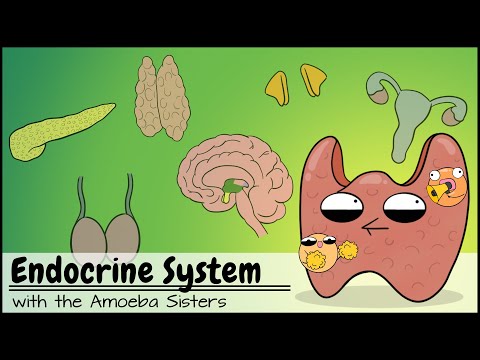
You ever have one of those days where you feel like a total emotional rollercoaster? One minute, you’re happy as a clam, and the next, it’s like someone flipped a switch, and you’re ready to cry over spilled milk.
Well, guess what? That little drama might just be your hormones playing tricks on you. Seriously! Those tiny messengers called hormones can make or break your mood faster than a bad hair day can ruin an outfit.
Okay, here’s the deal: hormones come from your endocrine system. It’s like the body’s very own messaging center, sending signals that affect everything from your energy levels to how well you sleep. And trust me, it’s all connected!
So, if you’ve ever found yourself wondering why you’re feeling all sorts of weirdness sometimes — yeah, your hormones are probably having a party without you. Let’s break this down and figure out how to keep that hormonal balance in check because who doesn’t want to feel their best every day?
Exploring the 7 Key Hormones of the Endocrine System: Functions and Impacts in Human Health
The endocrine system is like your body’s own messaging service. It uses hormones to communicate all sorts of things—think of them as tiny messengers running around telling your organs what to do. Let’s break down seven key hormones that play a huge role in keeping you healthy.
1. Insulin
Okay, let’s start with insulin. Made by the pancreas, insulin controls how your body uses glucose, which is basically sugar. When you eat, your blood sugar levels go up. Insulin swoops in, helping cells use that sugar for energy or store it for later. If you don’t have enough insulin, like in diabetes, those blood sugar levels can skyrocket—yikes!
2. Cortisol
Next up is cortisol, often called the stress hormone. Produced by the adrenal glands (which sit on top of your kidneys), it helps manage how your body responds to stress and inflammation. A little cortisol is good; it helps you feel alert and ready to take on challenges. But if cortisol hangs around too long due to chronic stress, it can mess with everything from sleep to weight gain.
3. Thyroxine (T4)
Now let’s chat about thyroxine, or T4 for short. This hormone comes from the thyroid gland and is all about metabolism—the way your body uses energy! T4 influences how quickly you burn calories and even helps regulate body temperature. If T4 levels are too low or too high, it can lead to feeling sluggish or overly energetic.
4. Estrogen
Estrogen is super important primarily for women but also found in men in smaller amounts! It plays a huge role in regulating the menstrual cycle and maintaining reproductive health. Besides that, estrogen has impacts on bone health and even mood! Too little estrogen can lead to issues like osteoporosis or changes in mood—talk about a multitasker!
5. Testosterone
On the flip side, we have testosterone! Mostly recognized as the male hormone but present in everyone, it helps with muscle mass, bone density, and even libido! Levels naturally decline with age—it’s like having a slightly less pep in your step over time—but maintaining balance is key for overall vitality.
6. Progesterone
Let’s not forget progesterone! This one works alongside estrogen mostly during the menstrual cycle and pregnancy to prepare the uterus for a potential baby. It also influences mood; low levels might lead to irritability or anxiety.
7. Growth Hormone
Lastly, there’s growth hormone (GH), produced by the pituitary gland at the base of your brain. GH plays a big part during childhood when growth spurts happen but also helps maintain muscle mass and repair tissues throughout life!
So there you have it—these hormones are crucial players in maintaining our health through their various roles and interactions within our bodies! Hormonal balance affects everything: mood swings from stress-related cortisol spikes or energy dips due to thyroid issues can really shape how we feel every day.
Just remember that these little messengers work together like an orchestra; each has its instrument but contributes to a symphony of bodily functions essential for well-being!
Exploring the Interrelationship Between the Endocrine System and Hormonal Regulation in Human Biology
The endocrine system is like the body’s messaging service, sending signals through hormones to help control so many functions. Think of it as a team of tiny messengers running around your body, delivering important instructions to different parts. These messages dictate things like growth, metabolism, mood, and even how you sleep. Amazing, right?
One of the most fascinating aspects of the endocrine system is how it interacts with hormonal regulation. Hormones are chemical substances that act as signals in the body. They talk to organs and tissues to tell them what to do. For instance, when you’re stressed out, your body releases cortisol—the “stress hormone.” This helps prepare you to deal with whatever is stressing you out. But if those cortisol levels stay high for too long? Not so good!
Here are some key players in this intricate system:
So basically, all these parts have their roles but they’re deeply interconnected. It’s like an orchestra where every musician has a part to play; if one instrument goes out of tune, it can throw off the whole performance.
When we talk about hormonal balance, we mean ensuring that these hormones are at proper levels for your body to function well. Imbalances can lead to a range of issues—from weight gain or loss to mood swings or fatigue. Just imagine feeling completely out of sorts and not knowing why—that’s often where hormonal imbalance comes into play.
And here’s a little story: my friend Sarah had been feeling super tired all day long even after sleeping enough hours. She was confused! Turns out her thyroid wasn’t producing enough hormones—her doctor diagnosed her with hypothyroidism. Once she started treatment, she slowly began feeling more energized again! It really showed how vital hormone balance is.
So keep in mind: this delicate dance between different hormones affects us more than we often realize—whether it’s physical health or emotional well-being! The next time you’re feeling off, consider that our endocrine system may just be doing its own little cha-cha while trying to keep everything balanced inside us!
Comprehensive Guide to Endocrine Glands and Their Hormones: A Detailed Overview for Scientific Understanding
So, let’s chat about the endocrine system. Now, this system is like a backstage crew in your body, quietly doing important stuff without you noticing. It’s all about glands and hormones. Glands are like tiny factories that pump out hormones, which are the messengers that carry signals around your body.
Picture this: remember that time you were super nervous before a big presentation? Your body went into overdrive, right? That’s hormones at work. The adrenaline kicked in, thanks to your adrenal glands. Let’s break it down a bit more.
- The Hypothalamus: This little guy is in your brain and basically tells other glands what to do. Think of it as the boss that coordinates everything. It releases hormones that control things like temperature and hunger.
- The Pituitary Gland: Often called the “master gland,” it’s also in your brain and gets commands from the hypothalamus. It releases important hormones affecting growth, blood pressure, and reproductive functions.
- The Thyroid Gland: Located in your neck, it manages how fast or slow your body uses energy by releasing thyroid hormones. When it works well, you feel energetic; when it doesn’t… well, let’s just say getting out of bed can be a struggle.
- The Adrenal Glands: These sit on top of your kidneys and produce hormones like cortisol (the stress hormone) and adrenaline (fight or flight). Remember when you had to sprint after a bus? That rush came from these hormones!
- The Pancreas: Not just for digestion! This gland releases insulin and glucagon to regulate blood sugar levels. Imagine having too much sugar—your pancreas kicks in with insulin to help balance things out.
- The Gonads: These include ovaries in females and testes in males. They’re all about producing sex hormones like estrogen and testosterone which influence everything from mood to physical traits.
- The Pineal Gland: Located deep in the brain, this gland produces melatonin, which helps regulate sleep patterns. You know those nights when you’re tossing and turning? Well, melatonin might be getting lazy!
Hormones interact with various parts of your body almost like they’re sending texts between friends—quick messages delivering essential updates! But sometimes they get out of whack. Stress can throw them off; so can diet changes or lack of sleep.
Now imagine if one day all these glands took a vacation at once! Your mood would swing crazily; energy levels would drop; basic functions might even get confused! It’s wild how tightly knit everything is.
One crucial point to keep in mind is hormonal balance—think of it as keeping a well-tuned orchestra playing harmoniously together! Too much or too little of any one hormone can lead to issues ranging from weight gain to depression.
In essence, the endocrine system is crucial for everyday life—you might not always see its effects directly, but trust me: it’s working hard behind the scenes! So next time you feel an emotional rollercoaster or extreme fatigue after too many late nights… maybe give some credit to those hardworking glands churning out hormones like champs!
You know, the endocrine system is one of those things that doesn’t always get the spotlight it deserves. Seriously, we often hear about muscles, bones, or even our fabulous brain, but this behind-the-scenes system is like the unsung hero of our bodies. It’s responsible for releasing hormones that pretty much run the show. It’s fascinating how something so small can have such a huge impact!
Let me tell ya a quick story. A few years back, my friend Lisa was feeling super off—fatigue like you wouldn’t believe and some mood swings that could rival an emotional rollercoaster. After countless doctor visits and some head-scratching, she learned her thyroid was out of whack. That made her hormonal balance all skewed! Once they figured it out and got her treatment rolling, it was like someone flipped a switch. She was back to herself in no time! It really drove home for me just how intricate and vital hormonal balance is.
So what’s the deal with hormones? Well, they’re basically chemical messengers that travel through our bloodstream telling our bodies what to do. Want to grow? There’s a hormone for that! Need to regulate mood? Yup, hormones again! They influence everything from metabolism to stress levels and even sleep patterns. It’s wild!
But here’s where it gets tricky: balancing these hormones is key. Stress, diet, exercise—or lack thereof—can throw everything off-kilter. Ever noticed how when you’re stressed out or not eating well, you might feel more anxious or tired? That’s your hormones waving their little flags saying something’s up!
Yet sometimes we overlook signs coming from our bodies simply because they’re subtle at first. Some people might brush off their symptoms as just “life” or “getting older,” but those changes can really indicate something deeper going on with hormonal health.
Let’s not forget about the incredible diversity across different phases of life too: puberty hits us with a whole new batch of hormones; pregnancy flips everything upside down; and menopause brings its own round of surprises! Each stage has its unique challenges but also its own opportunities for growth and understanding our bodies better.
So yeah, engaging with science around the endocrine system isn’t just about learning facts—it’s about connecting those dots in real life experiences and understanding ourselves on a deeper level. Next time you’re feeling off or can’t quite put your finger on what’s going on inside you, think about your hormones—it just might be them calling out for a little balance!