You know, the other day I was chatting with a buddy about how physicists are like the unsung superheroes of our time. Seriously, they’re not out there in capes or anything, but think about it: they’re the ones cracking the codes of the universe!
Remember that time you were trying to figure out how to fix your phone? Maybe you googled a video or two? Well, physicists do that but on a way bigger scale. They’re piecing together the fabric of reality while we’re still trying to figure out how to get our coffee machines to work right.
The thing is, physics isn’t just floating equations and mad scientists in lab coats anymore. It’s shaping our world in so many ways—like climate change solutions and tech innovations. And here’s a fun fact: every time you use GPS or check the weather app? Yep, that’s physics doing its thing!
So let’s chat about this bridge between science and society. Like, why do we need physicists now more than ever?
Exploring the Impact of Physicists on Society: Advancements and Contributions in Science
When you think about physicists, what comes to mind? Maybe it’s Einstein scribbling equations on a chalkboard or those folks in lab coats with wild hair, deep in thought. But their influence goes way, way beyond just the math and science. Physicists have been, like, super important in shaping our world and pushing society forward. Let’s take a closer look at some of the cool ways they’ve done this.
First off, consider technology. Seriously, almost everything we use daily—from smartphones to microwaves—owes a big nod to breakthroughs made by physicists. For example, the principles of electromagnetism paved the way for all our electrical devices. Can you imagine life without your Netflix binge sessions? That’s what I mean!
Then there’s medicine. The field of medical imaging is another shining star here. Techniques like MRI and CT scans wouldn’t exist if it weren’t for physicists applying their knowledge about radiation and waves. Those little machines help doctors see inside our bodies without needing an actual invasion. Pretty neat, huh?
Another area where physicists shine is in sustainable energy. The push for renewable energy sources—think wind turbines and solar panels—comes from their understanding of physics principles like energy conversion and thermodynamics. They’re working hard to combat climate change by helping us harness nature’s power instead of relying on fossil fuels.
- Astronomy: Physicists aren’t just grounded; they gaze at the stars too! Their research into cosmic phenomena helps us understand everything from black holes to the Big Bang. This isn’t just theoretical; it affects how we see our place in the universe.
- Quantum computing: This field is growing fast! Physicists are making strides in creating computers that can solve complex problems much quicker than current tech allows. We’re talking about breakthroughs that could change industries!
- Collaboration with other disciplines: Physicists often team up with engineers, biologists, and even social scientists to tackle big challenges together—like improving water quality or figuring out how to better manage resources.
The thing is, while all this scientific advancement sounds amazing (and it is!), there’s also that huge responsibility that comes with it. With great power comes great responsibility, right? Physicists are often faced with ethical dilemmas about how their discoveries are used—like nuclear technology which can either create energy or lead to destruction.
You know how sometimes when you’re watching a movie about scientists, they look super serious while debating ethics? That’s real! Discussions around the implications of scientific work need careful consideration because they affect lives.
In conclusion (well sort of), physicists don’t just exist in some ivory tower; they’ve shaped society in so many profound ways—from making our lives easier through tech advances to addressing some serious global issues like energy sustainability or health care improvements. So next time you hear someone mention physics—or even just see your phone light up—take a moment to appreciate those behind-the-scenes brains making it all happen!
The Essential Role of Physics in Shaping Modern Society: Innovations, Challenges, and Future Impacts
Alright, let’s chat about physics and why it matters so much in today’s world. Physics is essentially the study of matter, energy, and the forces that connect them. It’s everywhere! When you flick a light switch or drive your car, physics is at play. Pretty cool, huh?
Innovations driven by physics touch every aspect of our lives. Think about electronics. Your smartphone? It’s packed with tiny components that rely on principles of quantum mechanics. Those little bits are essential for making your device work efficiently and at lightning speed!
Then there’s healthcare. Imagine getting an X-ray or an MRI scan—those machines use physics to help doctors see inside your body without any invasive procedures. It’s like having superpowers to peek inside without cutting anyone open! Isn’t that amazing?
Now, let’s not forget about energy. Physics plays a critical role here too. From the power generated by wind turbines to solar panels catching sunlight to produce electricity, all these innovations stem from a deep understanding of physical principles.
- Climate change: With rising temperatures and unpredictable weather patterns, physicists are studying how energy consumption affects our planet.
- Nuclear energy: This offers a low-carbon option for power generation but comes with challenges around safety and waste disposal.
- Transportation advancements: Take electric vehicles—knowing the physics behind batteries allows us to create more efficient cars.
You know what else? The challenges physicists face are just as important as their innovations. There’s a lot of pressure on scientists to tackle some big issues we face today: climate change, renewable energy sources, and new technologies.
Say you’re sitting in traffic one day; you might wonder why everyone seems to be in such a rush. Well, physicists are working hard on improving transportation systems and helping us understand efficiencies that can save time—and fuel! They use simulations based on physical laws to design better traffic patterns.
Looking ahead, let’s think about how physics will shape our future society. Imagine developments in quantum computing! This could revolutionize everything from cryptography (like keeping your data secure) to complex problem-solving that classical computers struggle with.
You might be thinking: “But what does all this mean for me?” Well, the future impacts can directly touch your daily life in ways you might not even realize yet!
- Personal tech evolution: Enhanced devices could lead to smarter applications in homes—think smart mirrors or kitchens!
- Sustainable futures: With breakthroughs in battery technology, electric cars could become more accessible, paving the way for cleaner air.
- Simplifying communication: Advanced telecommunications theories could make global communication even faster and more reliable.
The heart of these advancements rests on how well physicists bridge science with society’s needs. They’ve got the tools and knowledge but require collaboration with industries and communities to make real-world changes happen.
The thing is: when we think about what physicists do today—not just equations on paper—they’re busy figuring out solutions for tomorrow’s challenges while innovating our current technologies into something even better!
So next time you see some tech buzzing around or hear about climate research on the news, just remember: behind it all is physics working hard to shape our modern society! And that’s no small feat!
You know, it’s super easy to think of physicists as those folks stuck in labs, scribbling equations on whiteboards or lost in the depths of some complex theories. And while that’s definitely a part of it, there’s so much more going on when you look a little closer.
I remember chatting with a physicist friend of mine over coffee one day. We were talking about climate change and how important it is for scientists to communicate their findings clearly to everyone— not just the scientific community. She mentioned how sometimes the data can feel so abstract, like a distant star, and that it’s crucial for scientists to make their work relatable. In her opinion, physics isn’t just about numbers; it’s also about storytelling and connecting with people’s everyday lives.
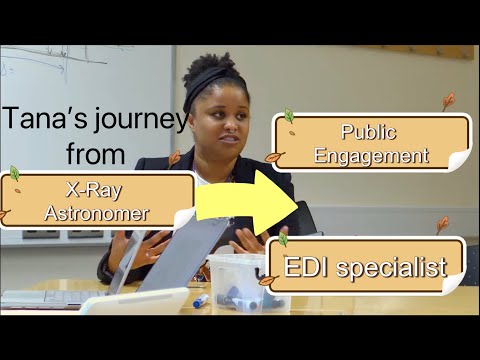
So, what does that look like in practice? Well, for starters, physicists today are stepping out of their comfort zones to engage with the public— whether through social media, talks at schools, or community events. They’re becoming advocates for science-based policies and helping to shape discussions on pressing issues like renewable energy or healthcare. The idea is to bridge that gap between what they know and what people need to understand.
But here’s the kicker: they’re not just sharing knowledge; they’re listening too! It’s all about dialogue. When scientists open up conversations with different communities, they tap into experiences and concerns that might not be on their radar otherwise. It gives them insights into how their research can be applied practically— a win-win situation if you ask me!
Take renewable energy as an example. Physicists working on solar panels or wind turbines aren’t just crunching numbers behind closed doors anymore. They’ve got to consider local communities— like how these technologies can affect jobs or land use. By involving everyone in these conversations, outcomes are likely to be better received and more effective.
And let’s not forget about education! Physics outreach programs are bringing experimentation right into classrooms, making learning feel less intimidating and way more engaging for students who might think science isn’t for them. You know those awe-inspiring moments when a kid sees something explode or change color during an experiment? That curiosity sparks interest; it gets them thinking about future careers in science!
A world where physicists take an active role in society feels pretty exciting! They’re not isolated geniuses anymore; they’re part of the broader narrative shaping our global future—having real conversations about ethics and responsibilities related to breakthroughs like quantum computing or artificial intelligence.
So yeah, next time you hear “physicist,” I hope you picture more than just lab coats and calculators—you should see advocates pushing boundaries and building bridges between science and society! It’s all intertwined; we really need each other if we’re gonna tackle these wild challenges ahead!