Okay, so picture this: you’re at a party, and someone starts talking about how humans evolved from primates. You know, the classic “we came from monkeys” line? It’s like, do they really think we just swung from trees all day?
But seriously, that conversation can get way deeper. Like, what does that even mean for us today? Evolution isn’t just some dusty textbook topic. It’s about who we are as a species and how we fit into this wild world.
Anthropology takes that idea and runs with it. It connects our past to our present, showing how our history shapes everything from cultures to societies. It’s like digging into a family tree but way more interesting—think of the crazy stories lurking in there!
So let’s explore evolutionism in anthropology together. We’ll look at how science meets everyday life and why it matters more than you might think!
Exploring the 5 Stages of Sociocultural Evolution: Insights from Scientific Perspectives
Sure thing! Let’s break down the five stages of sociocultural evolution, because this stuff can be super intriguing if you get into it.
Sociocultural evolution is basically how societies and cultures change over time. Think of it like the way a family tree grows—each generation adds new branches. Scientists in anthropology study these changes, and they’ve mapped out a few stages that are pretty cool to explore.
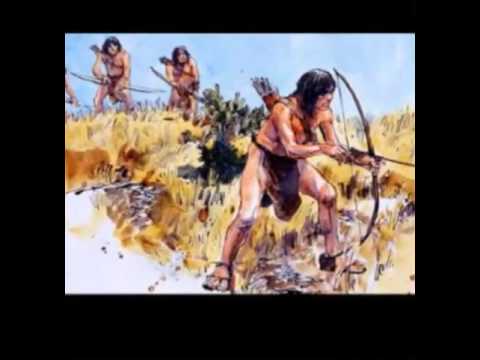
First up, we have the **foraging stage**. This is where our distant ancestors thrived by hunting and gathering food. Imagine living in small groups, moving around to find berries, nuts, or whatever critter was on the menu that day. It was all about survival and adapting to nature, you know? People were incredibly resourceful!
Next comes the **horticultural stage**. This one involves early farming practices. Homesteaders started planting crops and cultivating land instead of just roaming around for food. It changed everything! With more reliable food sources, communities could settle down in one place and grow larger.
Then we hit the **pastoral stage**. Think herding animals—like sheep or cattle—and moving with them through various terrains for grazing. This creates a unique social structure because people developed strong bonds with their animals and adapted their lifestyles based on the needs of their herds.
Now we arrive at the **agricultural stage**. Here’s where things get a bit more complex! Farming became more intensive with technology like plows and irrigation systems, leading to surplus production. That means communities could support larger populations, which led to cities forming! With cities come new challenges and opportunities for trade.
Finally, we reach the **industrial stage**—where machines rule! The industrial revolution brought about huge changes in how people lived and worked. Factories sprouted up like weeds in a garden while folks moved from rural areas into urban centers looking for jobs. This shift reshaped social structures drastically.
And here’s the kicker: each of these stages didn’t just happen overnight—they unfolded over thousands of years as societies adapted to their changing environments and technologies.
To wrap it up with a little emotion: think about your great-great-grandparents compared to your life today—huge differences right? The way humans evolve socially mirrors that personal growth too: messy but fascinating progress fueled by innovation, resilience, and creativity.
So yeah, exploring these stages gives us incredible insight into how our societies form today based on past experiences! Understanding them helps us appreciate where we came from while thinking about where we’re headed next in this wild journey called humanity.
Exploring the Intersection of Evolution and Anthropology in the Science of Human Origins
When we talk about human origins, it’s like opening a book where every page reveals a bit more of our story. You know, there’s this intersection between evolution and anthropology that reminds us of how we got to where we are today, which is pretty cool if you think about it.
So, first off, let’s break it down. Evolution is this long process, right? It’s all about how species change over time through natural selection and adaptation. You might have heard of Charles Darwin; he really kicked things off with his ideas about survival of the fittest. Basically, those organisms that are better suited to their environment survive and reproduce, passing on their traits. But this isn’t just about animals; it also includes us—humans!
Now, anthropology comes into play as the study of humans—our cultures, societies, and even our biological aspects. Think of anthropologists as detectives piecing together the puzzle of who we are and how our ancestors lived. They dig up artifacts, study ancient bones, and even observe modern cultures to understand human behaviors throughout history.
- Cultural anthropology: This part focuses on customs and social structures. For example, look at different communities around the world—they all do things a little differently based on their history and environment.
- Biological anthropology: Here’s where evolution shines! This branch studies human biological diversity through time. It explores how our bodies have adapted over ages; like why some people can handle high altitudes better than others.
- Archaeology: Archaeologists dig up past human activities through tools or dwelling sites. Like finding an ancient spear could tell us something about hunting practices thousands of years ago!
- Linguistic anthropology: Language shapes culture! This branch studies how language influences social life and identity—you know how certain phrases or slang give away where someone’s from?
The exciting part? All these branches often overlap! For instance, when looking at early humans in Africa—like Homo sapiens—the fossils found help anthropologists see how they interacted with their environment while evolutionary biologists analyze physical changes over time.
This interplay provides insight into significant events in human history—like migration patterns. Did you know that all modern humans share a common ancestor from Africa? It’s kind of mind-blowing when you realize that we’re all connected in this vast tree of life.
Anecdotally speaking, there was this moment at an anthropology exhibit where I saw fossilized footprints from early humans walking across volcanic ash in Tanzania dated back around 3 million years ago! Just imagine them strolling along—you can almost hear their chatter! These footprints not only show that our ancestors walked upright but also give clues to their social behavior.
You see the blend? Evolution gives us the “how,” while anthropology dives into the “why”—together they weave a rich narrative about humanity’s past. So next time you hear someone talk about evolution or anthropology separately, think about how they’re really just two sides of the same coin trying to figure out what makes us human today.
This exploration isn’t just academic; it touches society too! Understanding our origins can influence everything from education policies to discussions on diversity and inclusion today. So yeah, let’s keep questioning and learning—it shapes who we are as a species!
Exploring the Classification of Evolutionary Anthropology: Is It a Social Science?
When you think about evolutionary anthropology, it’s like peeking into the big, fascinating story of human development. It looks at how we got to where we are, not just in our biology but also in our cultures. So, if you’re wondering if it’s a social science, let’s unravel that a bit.
The thing is, evolutionary anthropology blends two worlds: biology and social sciences. On one hand, it digs into how our species evolved physically over millions of years—think of things like our brain size and walking on two legs. But here’s the kicker: it also explores how those changes affect our behaviors and societies. It’s this mix that keeps things interesting!
Now, what does it mean to be a social science? Well, social sciences focus on human behaviors and societies. They dive deep into cultures, relationships, and interactions among people. Just picture studying why people form communities or how different cultures develop distinct traditions.
- Evolutionary anthropology investigates the evolutionary roots of those behaviors.
- It studies how factors like environment and social structures shape us as a species.
- This field often pulls from sociology and psychology to understand human interactions better.
A good example of this is the way certain traits are valued in different cultures. Take tallness—while some societies might favor height as a sign of strength or attractiveness, others might not prioritize it at all! Evolutionary anthropology digs into why that might be rooted in our ancient past.
And then there’s that emotional aspect I mentioned earlier. Like imagine sitting around with friends discussing your family tree—how cool is that? You get this sense of connection not just to your own lineage but also to the larger story of humanity! Evolutionary anthropology helps us realize that these ties go beyond mere genetics; they connect us through millennia of shared experiences and adaptations.
But let’s not forget about one more thing: the impact on today’s society! Understanding where we come from can help tackle contemporary issues like inequality or violence by showing us their historical roots. So yes, evolutionary anthropology really bridges science with society in meaningful ways!
So there you have it! Is evolutionary anthropology a social science? Well, it’s kind of both—a rich tapestry woven from threads of biology and cultural studies. And this blend helps paint a fuller picture of who we are as humans today!
You know, when you think about evolution, what usually pops into your mind? Maybe dinosaurs, or that image of a monkey turning into a human? But evolution isn’t just about the past; it’s also a huge part of anthropology. It’s like this bridge connecting science to society, showing how we got to where we are today.
I remember reading this book ages ago about early human societies. There was this moment where it hit me just how interconnected everything is—the cultural practices, social structures, and yes, even our biological traits. It’s all woven together like a big tapestry. Anthropology takes that scientific understanding of evolution and applies it to real-life situations, examining how humans have adapted over time not just physically but socially and culturally too.
So here’s the thing: as much as science can sound dry or distant sometimes, it actually speaks volumes about who we are. For instance, have you noticed how certain rituals or customs seem to fade away while new ones pop up? That’s evolution at work right there! Humans adapt their behaviors based on what works best for them in their environment—just like natural selection.
But then you have those tricky moments when scientific findings clash with societal beliefs. Like when people push back against evolutionary theories because they’re rooted in personal or cultural narratives. It’s tough! Bridging that gap isn’t simple—it’s this delicate dance of convincing folks that science doesn’t erase culture but rather enriches it.
And let’s be honest, sometimes we forget how powerful stories can be. Anthropology gives us tools to tell these stories—linking our biological past with our current context so we can understand ourselves better today. When you see someone practicing an ancient tradition or engaging in community rituals, it’s living proof of our evolutionary journey. And if we look closely enough, you’ll find echoes of our ancestors whispering in those practices.
At the end of the day, honestly? Evolutionism in anthropology is more than a study; it’s a reminder that we’re all part of this shared journey through time and space. So when you hear someone talk about evolution next time, maybe take a moment and appreciate the deeper connection—how it influences not just species but communities and cultures too!