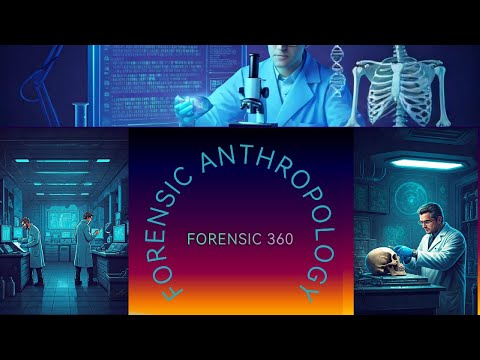
Did you know that bones can tell stories? Seriously!
I mean, think about it. When someone passes away, especially in mysterious circumstances, their bones might hold the key to what really happened. Crazy, right? That’s where forensic anthropology comes in.
Imagine a scene straight out of your favorite crime show. A bunch of scientists in lab coats analyzing skeletal remains like detectives sifting through clues. They’re not just playing with bones; they’re piecing together lives and untangling mysteries.
Forensic anthropology is all about using science to help solve crimes and bring justice to those who can’t speak for themselves. It’s like being a real-life super detective—with a degree in bone analysis!
So, if you’re curious about how these bone experts work their magic, let’s chat about it. You’ll be amazed at how much science goes into bridging the gap between justice and the past!
Exploring Career Paths: Becoming a Forensic Anthropologist with a Criminal Justice Degree in the Field of Science
So, you’re interested in forensic anthropology? That’s really cool! Basically, it’s the intersection of science and law enforcement. You get to dig into the past—the literal bones of it—and help solve crimes or identify people. If you’ve got a criminal justice degree, you’re already on a great path.
What is Forensic Anthropology?
It’s all about studying human skeletal remains. Forensic anthropologists work with law enforcement to figure out details like age, sex, ancestry, and any injuries a person might have had before they died. Sounds kinda grim, right? But it’s fascinating how much you can learn from bones.
Education and Training
A criminal justice degree gives you a solid foundation in laws and ethics, but you’ll want to go further. Most forensic anthropologists hold advanced degrees—think master’s or even a PhD—in anthropology or biology. You learn to analyze bones in detail and understand human anatomy.
Let me tell you about a friend who took this route. She was always into science—loved biology classes—but what really piqued her interest was solving mysteries. After her criminal justice degree, she found herself neck-deep in cadaver studies during grad school! It was hard work but truly rewarding.
Work Environment
Most forensic anthropologists are employed by government agencies or universities, working hand-in-hand with law enforcement on investigations. Picture yourself in a lab one day and out in the field the next!
The job isn’t just about analyzing remains; it involves testifying as an expert witness too. That means explaining your findings clearly to judges and juries, which can be pretty intense if courtrooms aren’t your jam.
The Job Market
Demand for forensic scientists is growing—crime rates fluctuate, but the need for expert analysis is constant. If you’re passionate about both science and justice, this field could be for you!
Like my friend learned through her experience: networking matters! Connecting with professionals at conferences or joining societies like the American Academy of Forensic Sciences could open doors for internships or job opportunities.
In short: if forensic anthropology sounds like your dream gig blending science with real-world impact, go for it! It’s not just about digging up bones; it’s about giving voices back to the people who can’t speak anymore. And that? That’s pretty powerful stuff right there!
Understanding the Big 4 in Forensic Anthropology: Key Concepts and Their Impact on the Science
Forensic anthropology is one of those fields that blends science with a bit of detective work. It’s all about analyzing human remains to help solve crimes or understand past societies. When we talk about the “Big 4” in forensic anthropology, we’re referring to four essential aspects that shape this fascinating field. Buckle up because here’s a closer look!
1. Biological Profile Development: This is all about figuring out who the person was. Forensic anthropologists can assess age, sex, ancestry, and stature from bones. You might think it’s super complicated, but it’s actually pretty straightforward when you break it down. For instance, the shape of the pelvis can hint at whether someone was male or female. Kind of cool, right? It’s not just science; it’s like reading a story written in bones.
2. Trauma Analysis: Sometimes, remains show signs of trauma—like fractures or cuts—that tell us how someone died or what happened to them before death. This can include looking for signs of blunt force trauma or sharp force injuries. Imagine finding a skull with a distinct fracture pattern; that could indicate whether the injury was caused by an accident or foul play. It’s these details that can make all the difference in investigations.
3. Taphonomy: Now here’s where it gets interesting! Taphonomy is all about what happens to remains after death—it’s like playing detective with time itself! Environmental factors like soil type, weather conditions, and even how long someone has been buried can impact bone preservation and condition. You might find perfectly preserved bones in dry environments while others might be completely deteriorated in humid areas.
4. Identification Techniques: After developing a biological profile and analyzing trauma, the next step is identifying the individual if possible. This involves comparing findings against missing persons databases or using DNA analysis when feasible. Imagine how powerful it feels to provide closure to families searching for their loved ones—it’s an emotional heavy lift but super rewarding.
In summary, understanding these key concepts—biological profile development, trauma analysis, taphonomy, and identification techniques—really bridges science with justice in forensic anthropology. Each area plays a crucial role in piecing together not just who a person was but also what happened to them.
So next time you catch an episode of your favorite crime show or documentary featuring forensic anthropology—you’ll have some insider knowledge about what those experts are actually doing! Isn’t it amazing how science helps uncover stories locked away beneath the ground?
Exploring Career Opportunities in Forensic Anthropology: Jobs in the Science Field
So, forensic anthropology is one of those fields that sounds pretty cool and mysterious, right? If you’re into science, crime scenes, and solving puzzles, this might be your jam. Basically, it’s all about applying physical anthropology and human osteology to legal processes. You know what I mean? It’s like being a real-life detective but with bones!
Forensic anthropologists mainly help in identifying skeletal remains. They can determine things like age, sex, ancestry, and even how someone might have lived or died. Imagine diving into a case where someone’s been missing for ages. When they finally find remains in the woods? That’s where these experts come in handy.
Now let’s talk jobs because that’s what you’re really curious about! Career opportunities in this field can be pretty diverse:
- Law Enforcement Agencies: Many forensic anthropologists work directly with police departments or the FBI. They help analyze bones found at crime scenes.
- Medical Examiners’ Offices: Here, they assist in autopsies and help determine the cause of death through skeletal analysis.
- Universities: Teaching is another route! If you love sharing knowledge, you could work as a professor or lecturer.
- Museums: Some folks work in museums to educate the public about human remains and archaeology.
- Cultural Resource Management: This involves preserving archaeological sites and human remains before construction projects begin.
One time, I read about a forensic anthropologist who helped solve a cold case from decades ago. They were able to piece together not just who the person was but also their last moments based on how their bones showed signs of trauma. Crazy impressive!
To get into this line of work, usually people start with a bachelor’s degree in anthropology or biology—something science-related for sure! Then many go on to get a master’s or even a Ph.D. It takes time and dedication but think about those rewarding moments when you’re helping close cases.
One thing to keep in mind is that networking can be super important in this field. Attending conferences or joining professional organizations like the American Academy of Forensic Sciences can really open doors for you!
Underneath all that scientific knowledge lies some serious empathy too. You aren’t just analyzing bones; you’re often helping families find closure after unimaginable loss.
So if you’re looking for career opportunities that blend science, justice, and a bit of adventure, forensic anthropology could be right up your alley! Just imagine being part of something that’s both intellectually stimulating and emotionally impactful—sounds like a fulfilling journey to me!
You know, forensic anthropology is one of those fields that just blows my mind. I mean, it’s like this amazing blend of science and, well, justice. Picture this: you’re watching a crime show on TV, and they find a set of skeletal remains. They don’t just call in anyone—they call in a forensic anthropologist. These pros have this incredible ability to analyze bones and tell stories from the past. It’s like they’re detectives for skeletons!
I remember reading about a case where a forensic anthropologist was able to identify skeletal remains from a missing person by looking at the bones’ characteristics—age, sex, and even lifestyle indicators like nutrition. That’s wild! Just imagine taking something as seemingly lifeless as bones and bringing a whole person’s story back to life. You can see how important that is for families wanting closure.
What really strikes me is the emotional weight they carry. They’re not just analyzing bones for fun; they’re helping families find answers during some pretty tough times. It’s all about compassion amidst the scientific rigor.
So here’s where it gets even cooler: these folks use a ton of science—like biology, chemistry, and even advanced imaging techniques—to figure things out. They work alongside law enforcement agencies and other experts to piece together evidence in ways that can help ensure justice is served. That connection between what they do in the lab and what happens outside in real life is pretty inspiring.
But let’s be real—it can’t be easy facing some dark aspects of humanity while trying to stay objective. Yet these anthropologists push through because their work makes such a difference.
In short, forensic anthropology isn’t just about studying bones; it’s about connecting dots between science and people seeking justice when life doesn’t go as planned. There’s something really profound about using knowledge to help heal broken lives—even if it means dealing with tough realities along the way. It makes me appreciate how interconnected our world really is!