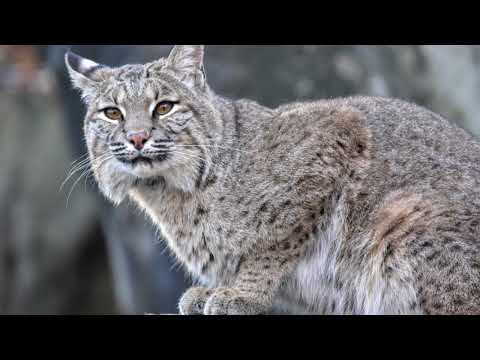
You know what’s wild? Bobcats are like secret ninjas of the forest. Seriously, those little guys can leap over six feet in the air. Imagine that!
You might be sitting there thinking, “What’s so cool about bobcats?” Well, they’re not just cute and sneaky. They play a big part in keeping our ecosystems in check.
Like, without them zipping around, we’d probably have way too many rabbits hopping around. And trust me, that wouldn’t be pretty! So, let’s take a closer look at how their anatomy helps them do their job and why they’re essential for balance in nature. It’s pretty interesting stuff, I promise!
The Ecological Role of Bobcats: Understanding Their Impact on Ecosystem Dynamics
Alright, let’s chat about bobcats and their ecological role. These little wildcats are like the unsung heroes of their habitats. They’re not just cute; they play a big part in keeping the ecosystem balanced.
First off, bobcats are predators. They mainly hunt small to medium-sized animals like rabbits, rodents, and birds. When they nab a meal, it’s like they’re keeping the population of these critters in check. You know how too many rabbits can munch through plants? Without bobcats around, those populations can explode and cause big problems for vegetation.
- Population Control: Bobcats help control the numbers of prey species. This means healthier plant life because there’s not too much pressure from hungry animals.
- Biodiversity Support: When prey populations are balanced, other species that depend on those plants thrive too. It’s all connected!
- Carrion Scavengers: Bobcats also scavenge on carrion, which helps clean up the environment by getting rid of dead animals that might spread disease.
The thing is, bobcats are adaptable. They can live in various habitats—from forests to deserts—so their influence is felt across different ecosystems. I remember once hiking in a forest and coming across some fresh tracks in the snow—definitely gave me an extra appreciation for these elusive cats!
Now let’s talk about their anatomy because it plays a role too! Bobcats have strong legs and sharp claws for climbing and pouncing on prey. Their keen eyesight and hearing make them even better hunters. Imagine being able to sneak up on your dinner without them even knowing you’re there! It’s all part of their evolutionary design.
- Padded Soles: Their paws have fur on the soles which helps with silent movement over snow or dry leaves.
- Sight Adaptation:<!–b> Their eyes are designed for low-light conditions so they can hunt dawn or dusk when many prey animals are active.
A really cool aspect is that as top predators, they affect other populations right down the line. If bobcat numbers drop because of habitat loss or hunting, you might see more rabbits and fewer plants—leading to less food for other animals that hang around relying on that vegetation. It’s like a game of Jenga; pull one piece out, and everything else could tumble down!
So yeah, understanding these magnificent creatures goes beyond just knowing they’re out there roaming around. They’re crucial for maintaining balance in nature’s complex web. We definitely need to give them some respect—and maybe keep our eyes peeled while hiking!
Adaptations of Bobcats: Understanding Their Environmental Survival Strategies in Wildlife Science
Bobcats are like the cool, stealthy cats of the wild. They’ve got some pretty neat adaptations that help them thrive in different environments. Seriously, it’s like they come with built-in survival kits! Let’s check out how their anatomy and behaviors play a role in this.
First off, let’s talk about their physical features. Bobcats are medium-sized felines, typically weighing around 20 to 30 pounds. Their size is super important because it allows them to be agile hunters. They have strong legs and big paws that help them navigate through rough terrain, whether it’s rocky cliffs or snowy landscapes. You know how sometimes you just need to leap over something? Well, bobcats can jump up to 12 feet in one bound!
Their fur color is another cool adaptation. It usually ranges from brownish to grayish with black spots—this pattern helps them blend into their surroundings. Imagine a cat sneaking through the bushes during a hunt; that spotted coat makes it easier for them to hide from both prey and predators.
- Sharp retractable claws: These guys can pull back their claws when they’re not hunting. This keeps them sharp for when they need to catch prey or climb trees!
- Excellent eyesight: Bobcats have fantastic night vision, which is super helpful because they are mostly nocturnal. They’re like little furry ninjas stalking through the dark.
- A keen sense of hearing: With those oversized ears, they can pick up on even the tiniest sounds—like a mouse scuttling across fallen leaves.
Now let’s think about their diet for a sec. Bobcats are opportunistic eaters, meaning they’ll munch on whatever’s available! They often go for rabbits and rodents but aren’t picky; they’ll also take down birds or even deer if given the chance. This flexibility helps them survive in various habitats—from forests and mountains to deserts and suburban areas.
A key part of their ecosystem role is as predators. By controlling the populations of small mammals, they’re playing an important part in maintaining balance within their environment. A decline in bobcat numbers can lead to overpopulation of certain species, which can harm plant life and disrupt other animals’ habitats too! It’s all connected—you know what I mean?
Oh! And we can’t forget about how they communicate and mark territory! Bobcats use scent markings as well as vocalizations—think yowls or growls—to let other bobcats know who’s boss in the area. This helps prevent conflicts with neighbors… kind of like keeping peace among your housemates!
Overall, these adaptations make bobcats fascinating creatures. Their ability to survive and thrive in diverse environments shows just how resourceful wildlife can be. Watching these clever cats go about their business reminds us of nature’s incredible creativity when it comes to survival strategies.
The next time you hear a rustle in your backyard at night, think about that hard-working bobcat out there—it’s all part of nature’s intricate design!
The Ecological Impact of Felines: Understanding the Role of Cats in Ecosystem Dynamics
Cats, both domestic and wild, play a surprisingly big role in their ecosystems. The whole feline family, from the tiny house cat to the majestic bobcat, has its own place in nature’s intricate web. So, let’s break it down a bit.
Bobcats, for instance, are a prime example of how these creatures impact their environment. These medium-sized wild cats are found in North America and are known for their adaptability. They help control populations of smaller mammals like rabbits and rodents. Without them, those populations could skyrocket, leading to overgrazing and habitat damage.
Now, speaking of anatomy—bobcats have some cool features that help them thrive. Their short tails give them an edge for stealth when hunting, while those sharp claws are perfect for climbing trees or snatching up prey. And let’s not forget their keen eyesight and hearing! It’s all about survival out there.
But back to ecosystems! When bobcats hunt, they’re not just keeping prey numbers in check; they also create what’s called a trophic cascade. This is where the removal or addition of a predator can drastically change the ecosystem’s structure and function. Imagine if bobcats disappeared—rabbits would multiply like crazy! This could lead to a reduction in vegetation due to overgrazing. You follow me?
The impact doesn’t stop with bobcats either. Domestic cats can also have significant ecological effects. They were estimated to kill billions of birds and small mammals every year in the U.S. alone! That’s right—billions! This predation can put pressure on local wildlife populations and disrupt food chains.
The tricky thing is that while domestic cats are loved by many as pets, they’re also non-native hunters in many areas which makes their ecological footprint concerning. Responsible pet ownership includes keeping cats indoors or providing supervised outdoor time to minimize their impact on local wildlife.
So yeah, whether it’s bobcats roaming free or our little fluff balls at home lounging around, felines have a big part to play in ecosystem dynamics. Their presence (or absence) shapes what lives where and how those species interact with one another.
In summary:
- Bobcats control small mammal populations.
- Their anatomy aids in effective hunting.
- They can create trophic cascades affecting vegetation.
- Domestic cats significantly impact local wildlife.
Understanding these relationships helps us appreciate not just how amazing felines are but also how essential they are within various ecosystems across the globe!
Bobcats are pretty cool, right? I mean, these little wild cats are like the ninjas of the forest. They combine agility with stealth, and they’ve got this uncanny ability to blend into their surroundings thanks to their beautiful coats. But here’s something that always makes me stop and think: how does their anatomy really play into everything around them? It’s like we’re all part of this big puzzle, and every piece counts.
First off, take a moment to appreciate those legs. Bobcats have long, muscular limbs that give them a really powerful jump—like they can leap up to ten times their body length! Imagine if you could hop that far! This crazy ability helps them hunt down prey efficiently. They’re opportunistic feeders, which means they’ll eat whatever they can catch—from rabbits to birds to even the occasional tiny deer. See how it works? Their anatomy is perfectly tuned for surviving in various habitats.
And let’s chat about those ears. Bobcats have tufted ears that not only look adorable but also help with hearing. They can detect even the slightest rustle in the underbrush where a meal might be hiding. I remember hiking once and hearing birds flapping suddenly; my friend pointed out that it could mean danger for smaller critters nearby—or lunch for our sneaky bobcat buddy!
Now, think about their role in the ecosystem. When bobcats hunt prey, they’re not just nourishing themselves; they help keep populations of other animals in check. If rabbits went unchecked, you know what happens? They could overpopulate and damage vegetation—a real chain reaction! It’s like a delicate dance in nature where every move matters.
So here’s the kicker: bobcats are vital indicators of ecosystem health. If they’re thriving, chances are their environment is doing well too—plenty of food sources and habitat for them to roam around freely. But if they start disappearing, it raises red flags about what’s going on in their home turf.
In my day-to-day life, sometimes I feel overwhelmed by how everything connects—much like this intricate web of life where bobcats play a part that’s often overlooked. But knowing these fascinating details brings me some comfort, you know? It’s almost poetic when you really think about it; each creature has its purpose etched into the fabric of nature itself.
So next time you’re out there enjoying the great outdoors or flipping through some wildlife photos online, maybe spare a thought for our stealthy friend—the bobcat—and all the roles its unique anatomy plays in maintaining balance within its ecosystem! Pretty neat stuff when you stop to consider it!