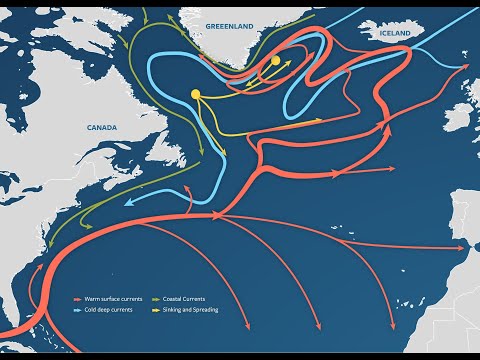
So, picture this: you’re at the beach, splashing around in the waves. Ever thought about how those waves are basically tiny messengers of what’s happening far below? Yeah, it’s not just the surface that matters; it’s what’s going on deep down in the ocean that has a huge impact on our climate.
Now, I know what you might be thinking: “Why should I care about what’s happening underwater?” Well, here’s a fun fact for you. The ocean is like a giant conveyor belt, moving water and heat all over the planet. It influences everything from the weather we get on land to how hot summers can be. Crazy, right?
Let me tell you something. When I first learned about deep ocean circulation, it was like having my mind blown! It feels so vast and mysterious out there, doesn’t it? Join me as we dive into how these underwater currents work their magic and why they’re crucial for our climate!
Understanding Deep Ocean Circulation: Impacts on Climate Dynamics and Global Climate Change
Alright, let’s jump into the mysterious world of deep ocean circulation! You know, the ocean isn’t just a big blue blob; it’s actually a super complex system that plays a major role in our climate. Think of deep ocean currents as giant rivers flowing through the sea, and these currents can have a massive impact on everything from weather patterns to global temperatures.
First off, what is deep ocean circulation? Well, this refers to the movement of water deep below the surface of the oceans. It’s driven by several factors like temperature and salinity variations—basically how salty or warm the water is. When water cools or becomes saltier, it sinks. And when it sinks, it pulls other water into motion, kind of like a giant conveyor belt.
- The Global Conveyor Belt: This is a term often used to describe how these currents circulate around the world. Cold, dense water sinks in polar regions and flows toward the equator at great depths. Then it rises again in warmer areas, mixing with surface waters.
- Climate Regulation: Deep ocean circulation helps distribute heat around our planet. Warm waters from the tropics move upwards while cooler waters flow downwards, keeping our climate relatively stable.
- Carbon Storage: The oceans absorb about a quarter of carbon dioxide emissions each year. Deep currents help sequester this carbon for long periods, playing an important role in mitigating climate change.
Now imagine if this giant conveyor belt starts to slow down or change direction because of things like melting ice caps or increased freshwater from rainfall—all consequences of climate change. This can lead to some seriously funky weather patterns! For instance, Europe could see harsher winters if warm waters don’t reach its shores as they used to.
You might think that changes happening way down there wouldn’t affect us up here on land. But that’s where you’re wrong! Changes in deep ocean circulation can disrupt weather systems and affect rainfall patterns globally. Countries that rely on seasonal rains could face serious droughts or floods—a real-life rollercoaster of weather!
And let’s not forget about life beneath the waves! Marine ecosystems depend on these currents for nutrients. If they shift dramatically, we could see shifts in fish populations and other sea life that keeps our oceans buzzing with activity.
So next time you think about climate change and its impacts, remember: deep ocean circulation is playing its own part backstage—a crucial one at that! By keeping an eye on what’s happening below the surface, we can better predict how our environment will react to changes in climate.
In a nutshell: understanding these huge underwater currents isn’t just academic; it has real-world implications for all of us—planetary health included!
Comprehensive Guide to Ocean Circulation: Understanding the Dynamics of Marine Currents – PDF Download
Ocean circulation is like the Earth’s engine, driving everything from weather patterns to climate changes. So, let’s break it down a bit!
You’ve got two main types of ocean circulation: surface currents and deep ocean currents. Surface currents are mostly driven by wind and the Earth’s rotation. You know those big waves on the beach? Well, they’re largely influenced by these currents. Think about the Gulf Stream; it warms up areas of the Atlantic coast and can even influence weather in places far away, like Western Europe.
Now deep ocean currents are a whole different ballgame. These are part of what scientists call “thermohaline circulation,” which sounds fancy but basically refers to temperature and salt level differences in water. Cold water is denser than warm water, and salty water is denser than fresh water. That’s why you see colder waters sinking in some areas while warmer waters rise in others.
To put it simply:
- Surface Currents: Driven by wind and influenced by the Coriolis effect (the way Earth’s rotation affects moving objects).
- Deep Ocean Currents: Driven by differences in water density due to temperature and salinity.
Now, if you’re thinking, “Okay, but why does this matter?” well, ocean circulation plays a critical role in regulating our climate! For example, when warm water moves northwards from the equator to Europe via currents like the Gulf Stream, it helps keep the climate milder there than it would otherwise be.
During my childhood summers near an ocean beach, I remember watching how strong currents could completely change a day at sea or even affect how fish moved around. It amazed me how this invisible force shaped not just my beach day but entire ecosystems!
And here’s something that rattles scientists today: Climate change is affecting these essential currents! Warmer temperatures can melt polar ice caps and increase freshwater levels in oceans. This can disrupt deep ocean circulation patterns leading to serious consequences for global climate systems.
Look at it this way—you’ve got a big pot of soup on the stove. If you keep cooling one part while heating another without stirring things up properly (like our oceans), you’re gonna have some funky uneven flavors all over your soup!
In summary:
- Dynamics of Ocean Circulation: Both surface and deep currents affect global weather patterns.
- Climate Regulation: Currents help distribute heat across the planet.
- Crisis Ahead: Climate change threatens these delicate systems.
So yeah, understanding these ocean dynamics is key for tackling issues like climate change or weather forecasting! And who knows? Next time you hit the beach or enjoy seafood for dinner, you might think about those mighty underwater highways working behind the scenes!
Exploring the Interplay Between Ocean Circulation and Climate Change: Impacts on Global Weather Patterns
The oceans are like the planet’s heartbeat. They pulse with movement, and their circulation plays a huge role in shaping our climate. Basically, ocean circulation is all about how water moves around in the ocean. This movement isn’t just some casual drift; it’s part of a complex system that influences our weather patterns on a global scale.
Deep ocean currents are particularly important. These currents form due to differences in temperature and salinity—basically how salty the water is. When warm water from the equator travels north, it cools down and becomes denser. This dense water then sinks, creating a cycle that keeps our oceans alive and well. Think of it like a giant conveyor belt, transporting heat around the planet.
Now, climate change is shaking things up big time. As we burn fossil fuels and pump greenhouse gases into the atmosphere, the surface temperatures rise. This warming leads to changes in **ice melt** at the poles and shifts in rainfall patterns, which can disrupt those deep sea currents.
When these currents slow down or change direction, it can mess with weather systems that people depend on. For instance:
- Hurricanes: Warmer waters fuel more intense storms as they provide energy for hurricanes.
- Droughts: Changes in ocean circulation can lead to prolonged dry spells in regions that usually get more rain.
- Flooding: Conversely, some areas might experience more rainfall than normal due to altered weather patterns.
I remember during Hurricane Harvey back in 2017 when all those heavy rains hit Texas—it was devastating! A lot of scientists said that warmer waters contributed to its severity by offering more energy for storm systems like this.
Also, let’s not forget about the impact on marine life! Changes in ocean temperature can shift fish populations toward cooler waters—this affects fishing industries worldwide. Imagine fishermen having to travel farther just to find stocks they’ve relied on for generations!
And what about us? Climate impacts affect agriculture too! If these weather patterns become unpredictable due to shifting ocean currents, crops might fail or yield could drop. That affects food prices globally which isn’t just a statistic; it’s real people struggling to put food on their tables.
In short, understanding this interplay between ocean circulation and climate change is crucial for predicting how our world will look years down the road. It’s not just about science; it’s about all of us living on this beautiful blue planet trying to navigate through changing tides together.
You know, when you think about the ocean, it’s easy to imagine just the beautiful waves crashing on the beach. But there’s so much more going on below the surface! Deep ocean circulation, or what some folks call the ocean conveyor belt, plays a huge role in regulating our climate.
So picture this: there I was, sitting on a beach last summer, watching kids build sandcastles while adults were diving into the waves. It seemed like all fun and games, but beneath those waves is a whole world of currents that are constantly moving and mixing. And that movement is crucial for distributing heat around our planet.
Okay, let’s break it down a bit. Deep ocean circulation involves huge currents flowing under the water’s surface. This isn’t just your typical swimming pool current; we’re talking about movements that can take thousands of years to complete a full cycle! Cold water from the poles sinks down and travels towards the equator while warmer water rises up to take its place. It’s like an endless game of tag with water!
Now, why does this matter? Well, those currents help regulate temperatures globally. They’re responsible for distributing heat from warmer areas to cooler ones—keeping things in balance. Imagine if they slowed down or stopped entirely! We could be looking at drastic changes in weather patterns—think more extreme storms or even impacts on fish populations that rely on specific temperatures to thrive.
But here’s where it gets even spicier: climate change can mess with this delicate system. As glaciers melt and fresh water pours into oceans, it can disrupt these currents. Whoa! That could mean big shifts in climate dynamics which can have ripple effects across ecosystems and human communities alike.
So yeah, next time you find yourself at the beach enjoying that salty breeze or splashing in the surf, just remember there’s an entire world beneath you keeping our planet in check—all those unseen rivers of deep blue helping us stay cozy (or sometimes chilly). It really makes you appreciate how connected everything is—like one giant clockwork machine operating below us every day!