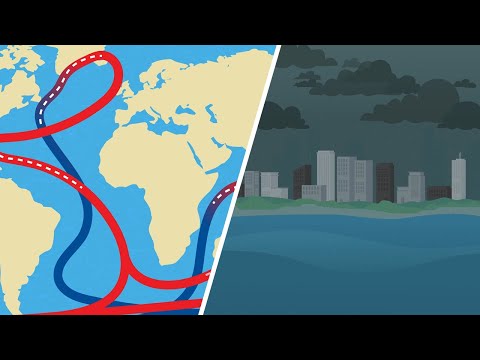
So, picture this: you’re at the beach, sipping on a cold drink. The sun’s shining, and the ocean’s waves are calling your name. But wait! Have you ever thought about what’s happening beneath those waves?
The Atlantic Ocean isn’t just a massive body of water. It’s like a giant conveyor belt that helps keep our climate in check. Seriously! It’s all about currents, and they’re not just any currents—they’re crucial for our weather patterns.
Now, with climate change throwing a wrench in the works, these currents are getting all wonky. It’s like if that conveyor belt at the grocery store started going backwards! You follow me?
Let’s dive into how this oceanic dance affects everything from storms to temperatures and what that means for us all. It’s wild stuff!
The Impact of Ocean Circulation on Climate Change: Understanding the Science Behind Global Climate Systems
Ocean circulation is like the Earth’s conveyor belt, moving water and heat around our planet. It’s super important for regulating climate. The Atlantic Meridional Overturning Circulation (AMOC), a key player in this system, helps control temperatures and weather patterns in Europe and North America. But here’s where it gets tricky: climate change is messing with this circulation.
You know how when you’re mixing up a drink, sometimes it swirls perfectly and other times it just stays layered? That’s kind of what happens with ocean currents! Warm water from the tropics moves northward in the Atlantic, while cold water sinks in the North Atlantic, creating a cycle. This keeps regions warmer than they otherwise would be.
But with rising global temperatures, all that ice in Greenland is melting like ice cream on a hot day. This adds fresh, less salty water to the ocean. And guess what? Less salty water doesn’t sink as easily (it’s lighter!), so it disrupts the normal flow of currents.
- Global Temperature Rise: The warmer air means more heat is absorbed by oceans, which affects their movement.
- Melted Ice Caps: More freshwater from melting glaciers dilutes salty water necessary for sinking.
- Impact on Weather Patterns: Changes in circulation can lead to extreme weather—think heavy rains or droughts in places that usually don’t see them!
A few years ago, there was a study showing how AMOC has weakened over the past century due to rising temperatures. That’s pretty alarming because a weaker AMOC can lead to colder winters in Europe and hotter summers elsewhere. So not only do we face changes today, but we might feel even bigger impacts down the line.
Let me tell you about my friend Anna who visited Ireland last year after hearing about these shifts. She expected spring-like weather based on past experiences but ended up caught in an unseasonable winter storm! You could see people scratching their heads wondering what happened to their normal spring vibes! It made me realize how critical understanding these shifts is for everyone.
The tension between ocean circulation and climate change reminds us that everything’s connected. If we want stable climates in the future, it’s vital for us to pay attention to oceans! They are not just vast blue expanses; they are living systems that influence our everyday lives more than we might think.
If you put all this together, you start to see why scientists are watching these changes closely! The stakes are high—our ecosystems rely on stable conditions, which are being shaken up by human activities. We’ve got some important choices ahead of us!
Exploring the Impact of Climate Change on Human Circulatory Health: A Scientific Analysis
So, let’s chat about something that affects all of us—climate change and how it messes with our health, especially our circulatory systems. You know, the circulatory system is like a superhighway in our bodies that moves blood around, delivering oxygen and nutrients. When it comes to climate change, you might wonder what the connection is. Let’s break this down.
First off, the Atlantic Ocean circulation plays a huge role in regulating global climates. This circulation system includes warm waters moving north and cold waters sinking back down south. It’s kind of like a giant conveyor belt for heat. But climate change is shaking up this balance. As temperatures rise, it can mess with this oceanic “conveyor belt,” which in turn influences weather patterns globally.
Here’s where it gets really interesting (and kind of scary). Changes in ocean circulation can lead to extreme weather events—think stronger storms or really hot heatwaves. Why does that matter for our hearts and blood vessels? Well, extreme temperatures can put extra stress on your body.
- Heatwaves: When it’s super hot outside, your heart works harder to cool you down by pumping more blood to your skin. This can lead to dehydration or even heat exhaustion.
- Cold snaps: On the flipside, when it’s freezing out and you get all tense from the cold, your blood vessels constrict. This can raise your blood pressure and increase the risk of heart attacks or strokes.
- Air quality: Increased temperatures often mean worse air quality due to more pollution or wildfires, which is another blow to our circulatory health.
If you’ve ever felt out of breath during a hot day or noticed how different weather makes you feel sluggish? You’re not alone! I remember one summer where I was hanging outside when a heatwave hit. I felt dizzy and my heart raced like crazy! Turns out my body was just struggling to keep up with the heat.
The connection runs deeper too—long-term exposure to extreme weather situations might not just give you short-term problems; it could lead to chronic issues as well. Studies show populations frequently exposed to these conditions see an uptick in cardiovascular diseases over time.
The science actually backs this up: With changing ocean currents due to climate change, we are seeing shifts in expected regional climates as well as a higher incidence of serious health problems. It’s like playing Jenga; pull one piece out (in this case, stable ocean currents), and the whole tower starts wobbling!
Those vulnerable populations—like older adults or folks with pre-existing health conditions—are at even greater risk when faced with these fluctuations brought about by climate changes. The struggle isn’t just about surviving; it’s about living healthily!
To sum it up—climate change is impacting our circulatory health through direct environmental changes from the Atlantic Ocean’s shifting patterns. It’s not just an environmental issue but something that touches us personally every day in ways we might not even think about initially!
The thing is: What happens next depends on how we take action now! Reducing emissions means we could stabilize those ocean currents again and give ourselves a fighting chance for better overall health moving forward.
Exploring the Impact of North Atlantic Ocean Circulation on Climate Change Dynamics
So, let’s talk about the North Atlantic Ocean circulation and how it plays a pretty big role in climate change dynamics. You might not think of the ocean as something that can have a serious impact on the planet, but it truly does!
First off, the North Atlantic Ocean is part of a larger system known as the **Atlantic Meridional Overturning Circulation (AMOC)**. This is basically like a giant conveyor belt of water that moves warm water from the tropics up to the North Atlantic. At the same time, colder water sinks and travels back down towards the south. Pretty cool, right? Well, here’s where it gets intense: this circulation helps regulate weather patterns across Europe and North America.
Now, what happens when climate change kicks in? As global temperatures rise, melting ice from Greenland injects fresh water into the ocean. This extra fresh water can disrupt the salty water flow that keeps this conveyor belt humming along smoothly. If it slows down or stops altogether—which is actually something scientists are worried about—it could throw weather patterns way out of whack! You know? Imagine colder winters in Europe and even stronger storms hitting coastal areas—yikes!
And it doesn’t stop there. Changes in this circulation can also impact monsoons in Africa and Asia. Disrupting rainfall patterns could lead to droughts or floods, affecting food production and water availability for millions of people.
Another thing to keep in mind is how these shifts might amplify warming effects. As warm water accumulates in certain areas due to these circulatory changes, heatwaves could become more frequent and intense—all around the world! So yeah, you might be sweating more than usual next summer because of what’s happening deep within our oceans.
Plus, there’s feedback loops we gotta consider too! For instance, if more ice melts because temperatures rise, this opens up dark ocean waters that absorb heat instead of reflecting it back into space like ice does. So you see how all these pieces interconnect?
In summary:
- The Atlantic Meridional Overturning Circulation (AMOC) acts like a huge conveyor belt for ocean currents.
- Melting ice adds fresh water that disrupts this important flow.
- Changes can significantly affect weather patterns across continents.
- This impacts global temperature rises and extreme weather events.
- Feedback loops make everything worse by leading to more melting ice and warmer waters.
It’s kind of alarming when you think about how interconnected our planet really is! The health of our oceans could lead to huge shifts in climate conditions worldwide. So yeah, it’s definitely something we should all keep an eye on—you follow me?
The Atlantic Ocean, with its vastness and mysterious depths, is a bit like our planet’s engine room. It plays a crucial role in regulating climate, and honestly, it’s kind of mind-blowing to think about just how much this gigantic body of water affects us. I still remember when we learned about ocean currents in school—how they’re like highways, carrying heat around the globe. It was like discovering an underground world driving the weather we experience every day.
So here’s the thing: the Atlantic has this thing called the Atlantic Meridional Overturning Circulation (AMOC), which is a fancy way of saying that warm water from the tropics moves northward, cools down, sinks, and then flows back south deep below. This process helps to keep Europe warm and influences weather patterns globally. But recently, scientists have been raising eyebrows over AMOC because climate change is throwing a wrench in its operations.
With the world heating up due to rising greenhouse gas emissions, glaciers are melting. All that fresh water dilutes the salty seawater in the North Atlantic where AMOC does its sinking thing. It’s like adding too much sugar into your coffee—too sweet to stir! This can slow down or even disrupt those precious currents. Can you imagine what that might do to our weather? Colder winters in Europe? More intense hurricanes? The possibilities aren’t exactly comforting.
I’ll never forget watching a documentary where they showed how drastic changes in ocean circulation can shift entire ecosystems. It made me realize that everything is connected—not just in nature but also how we live our lives. You know when you skip a stone across a calm pond? Each ripple touches distant shores. Well, changing ocean currents might be sending ripples through our climate.
And while it may seem daunting to think about these connections between ocean circulation and climate change, it also sparks hope for awareness and action. If we recognize these relationships early enough, maybe we can steer things back on course before it gets out of hand.
In essence, keeping an eye on what happens below the ocean’s surface isn’t just for scientists with their fancy equipment; it affects each one of us in ways we can’t always see or feel immediately but are definitely there—like that quiet hum of life beneath water’s surface waiting for us to pay attention.