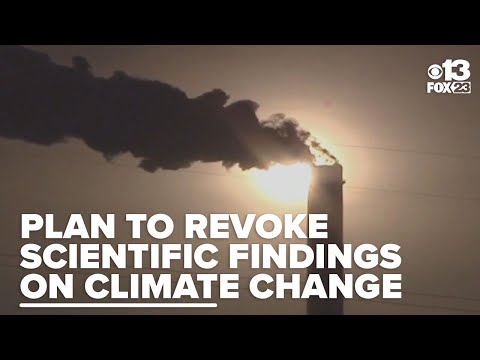
You know that moment when you open the fridge, and it’s just a little too hot in there? Like, why’s it burning up? A bit dramatic, right? But seriously, our planet kinda feels like that sometimes.
The Earth is warming up. And not just because I forgot to close the window when I left! Global climate change is a real deal, affecting everything from the weather to how your favorite plants grow.
Enter the EPA. They’re stepping up with some initiatives that might sound boring at first but trust me—they’re crucial. Think of them as your planet’s best friend trying to get things back on track.
So let’s break down what they’re doing and why it matters—because honestly, if we don’t pay attention now, we might end up with a few more heatwaves than we bargained for!
Evaluating the Scientific Basis of EPA Climate Change Initiatives: Insights from 2022
Evaluating the scientific basis of EPA climate change initiatives can feel like a massive task, but let’s break it down together. The Environmental Protection Agency (EPA) has been pretty active in addressing climate change, especially in 2022. So, what’s behind their actions?
First, you need to know that the EPA relies heavily on scientific research. This means they look at data from a multitude of studies that examine how climate change affects everything from weather patterns to sea levels. For instance, studies show that higher levels of greenhouse gases lead to warmer temperatures globally.
Now, let’s talk about their initiatives specifically. The EPA launched various programs aimed at reducing carbon emissions. They look at things like air quality standards and how these changes can impact public health and the environment. You see, cleaner air means healthier communities!
- The Clean Power Plan: This initiative sets state-specific goals for reducing carbon dioxide emissions from power plants.
- The Affordable Clean Energy rule: This focuses on improving efficiency at coal-powered plants while allowing states to develop their own plans.
- Regulatory Updates: In 2022, they also updated regulations regarding vehicle emission standards—making cars cleaner and more efficient.
It’s interesting to note that all these initiatives are rooted in extensive modeling and projections about what might happen if we don’t act against climate change. Remember when Hurricane Katrina hit? That was a wake-up call about how extreme weather is linked to changing climates.
But not everyone agrees with every detail of their science! Some critics argue about the accuracy of these models or the practicality of certain regulations. The thing is, science is all about debate and scrutiny; that’s how we improve our understanding.
You’ve probably heard people talk about climate justice, right? Well, the EPA is also focusing on ensuring that frontline communities—often those most affected by pollution—receive support through their initiatives. It’s kind of like shining a spotlight on those who usually get overlooked.
In evaluating these efforts, it’s clear that the foundation rests on hypothesis testing and peer-reviewed research. Scientists constantly analyze new data and refine their models.
So here’s where it gets really cool: public action plays a part too! Community feedback influences policy-making decisions. For example, local groups pushing for cleaner air can sway policies towards stricter regulations.
In summary, the EPA’s climate change initiatives are backed by substantial scientific evidence as well as community engagement but come with challenges and criticisms along the way. What matters most is adapting these strategies based on ongoing research and real-world outcomes because our planet needs all hands on deck!
EPA Climate Change Initiatives: Scientific Foundations and Implications for Environmental Policy
The EPA, or Environmental Protection Agency, plays a pretty big role in tackling climate change in the United States. Basically, they’re the ones who have to figure out how to protect our planet while making sure we can still live and thrive. It’s a challenging balance, but they have some solid science backing their initiatives.
One of the key foundations for EPA’s climate change initiatives is the Greenhouse Gas Inventory. This includes data about emissions from various sectors—like transportation, industry, and agriculture. By collecting all this info, they can see where the biggest problems are and focus their efforts there. Imagine trying to solve a puzzle without knowing what pieces are missing; that’s where this inventory comes in handy.
Then there’s the Endangerment Finding. It’s a fancy term for when the EPA concluded that greenhouse gases threaten public health and welfare. This finding relies heavily on scientific studies that show how these gases can lead to issues like asthma or even more severe consequences like extreme weather events. When you think about your friends or family suffering from health problems because of climate change, it really puts things into perspective.
The EPA also supports renewable energy initiatives. They back programs that promote wind and solar energy because these sources don’t emit greenhouse gases like traditional fossil fuels do. Picture a world where clean energy powers your home—pretty cool, right?
What’s super important is how these initiatives translate into real-world policies. With scientific evidence as their foundation, the EPA sets regulations to limit emissions from vehicles and industrial sources. Think of it as putting up guardrails on a winding road; these regulations help steer us toward a safer future for our environment.
Moreover, public awareness is key! The EPA also runs educational campaigns to help people understand climate change and what they can do about it in their daily lives. Ever heard of “reduce, reuse, recycle”? Well, that’s part of it! The more folks know about how their actions impact climate change, the better choices they make—whether it’s using less plastic or opting for cleaner transportation.
In short, the EPA’s initiatives are rooted in solid scientific findings that guide environmental policy aimed at combating climate change. The challenge lies not just in knowing what’s wrong but also figuring out how to fix it—all while keeping our health and well-being front and center. It’s kind of like being a gardener—you need to carefully tend to each plant (or initiative) so that everything grows together harmoniously!
Analyzing EPA Climate Change Indicators: Key Metrics and Trends in Environmental Science
So, the EPA Climate Change Indicators are pretty important for understanding how our planet is doing in the face of climate change. What are these indicators, you ask? Well, they’re basically key metrics that tell us about the environmental changes we’re experiencing. Think of them as gauges on your car dashboard. They help us see where we stand and where we might be headed.
The EPA tracks a bunch of these indicators. For example, one key metric is temperature changes. Over the last century, average temperatures in the United States have been rising. It’s kind of like that moment when you step outside on a summer day and realize it’s way hotter than it used to be. And this rise isn’t just a random fluke; it lines up with increased greenhouse gas emissions from things like cars and factories.
You know what really hits home? The fact that we’re seeing more intense weather events too. Remember those wild storms or heatwaves? That’s not just nature acting up; those extreme weather patterns are also captured in the EPA’s data.
The EPA’s Climate Change Initiatives aim at gathering more evidence about these trends to inform policy decisions. They rely on solid scientific methods for this analysis, using data from satellites, ground stations, and models that simulate various scenarios.
You might remember watching a documentary about polar bears struggling on shrinking ice floes? That’s a direct effect tracked by scientists through EPA indicators. It puts a face on what these numbers mean and makes it a bit more real, doesn’t it?
The thing is, the data collected isn’t just for reading—it guides action! Using these metrics helps policymakers discuss what needs fixing: reducing emissions or investing in renewable energy sources like solar power or wind energy.
This complex web of indicators aligns with global scientific goals aimed at curbing climate change effects before they become irreversible—like trying to fix something before it’s too broken to repair!
If there’s one takeaway here it’s that these EPA indicators give us clarity into what’s happening with our environment. It’s all interconnected—you know? Understanding them helps us act before it’s too late!
You know, when you think about the Environmental Protection Agency (EPA) and climate change, it can feel a bit like staring at a really complicated puzzle. It’s all connected – policies, science, and what we can actually do to make a difference. A few years back, I had this moment during a hike, surrounded by trees that felt like they’d been there forever. I realized how fragile our environment really is. That got me digging deeper into what groups like the EPA are doing to combat climate change.
The EPA has this huge responsibility to protect human health and the environment. They base their initiatives on solid scientific research. So, let’s break it down a bit! One big thing they focus on is reducing greenhouse gas emissions. These gases trap heat in our atmosphere – think of them as a thick blanket that just keeps getting thicker and thicker. The EPA leverages tons of studies showing how these emissions lead to global warming and can mess with weather patterns.
But it’s not all doom and gloom! The agency also promotes clean energy solutions. More solar panels? Yes, please! Wind turbines? Absolutely! There’s an exciting shift toward renewable sources that help reduce our dependence on fossil fuels which are basically the bad guys in this story.
And let’s not forget science communication – because honestly, knowing about climate change isn’t just for scientists in lab coats. It’s crucial for everyone to get involved and understand what’s going on with our planet. The EPA often partners with communities to share knowledge about sustainability practices or how folks can cut back on their own carbon footprints.
Sure, there’s always more work to do and challenges ahead—like political hurdles or economic barriers—but it’s reassuring when prestigious agencies build their strategies around rigorous scientific data.
So yeah, while sitting in nature reminiscing about that hike reminds me of the beauty we have to protect, it also highlights the importance of initiatives grounded in science. Together, with consistent efforts from agencies like the EPA and everyday people making changes at home, we might just keep this beautiful planet spinning for future generations—what do you say?