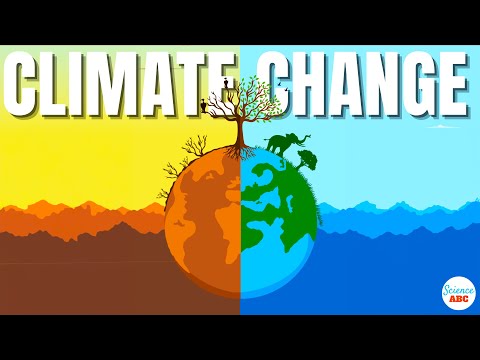
You know how sometimes you hear a phrase and it just sticks in your head? Like, “climate change.” Every time I hear it, I think of that one summer when my friends and I tried to have a beach day, but the weather turned so stormy that we ended up playing board games indoors. Crazy how quickly things can shift, right?
Well, that’s kinda what’s happening with our planet. Climate change isn’t just some far-off concept; it’s impacting us now. From heatwaves to floods, you’ve probably seen the effects without even realizing it.
There’s all this cool science out there that shows how it’s happening in real life. And trust me, these examples are wild! They’re like real-life stories that explain the chaos unfolding around us. So let’s chat about them and see what we can learn together!
Real-Life Examples of Climate Change: Insights from Scientific Research and Observations
Well, climate change is one of those big topics that feels a bit overwhelming sometimes, but it’s super important to understand how it’s playing out in real life. So let’s break it down with some clear examples straight from the science world.
Melting Glaciers
One of the most noticeable effects of climate change is the melting of glaciers. Research shows that places like Greenland and Antarctica are seeing their ice sheets shrink significantly. This melting contributes to rising sea levels, which can flood coastal areas and change ecosystems. For instance, scientists found that Greenland’s ice loss accelerated from about 50 billion tons per year in the 1990s to about 280 billion tons a year by 2019. That’s a huge increase!
Coral Bleaching
Next up, coral reefs are facing some serious struggles due to rising ocean temperatures. When water gets too warm, corals expel the colorful algae living in their tissues, causing them to turn white—a process called bleaching. A stark example is the Great Barrier Reef in Australia, where widespread bleaching events have occurred multiple times over recent years. It’s heartbreaking because these reefs support diverse marine life and protect coastlines.
Shifting Wildlife Habitats
Animals aren’t immune either! Many species are moving toward cooler areas as temperatures rise. Studies show that animals like birds and butterflies are changing their migratory patterns or shifting their ranges to higher altitudes or latitudes. For example, some bird species in North America are nesting earlier than they used to because spring is coming sooner; this misalignment can lead to food shortages for chicks if bugs haven’t hatched yet.
Extreme Weather Events
Another striking consequence linked to climate change is the increased frequency and intensity of extreme weather events. Research indicates that hurricanes have become stronger due to warmer ocean waters providing more energy for storms. Take Hurricane Harvey back in 2017; it dropped an unprecedented amount of rain over Texas and Louisiana—more than four feet in some areas! Such deluges cause devastating flooding and long-term impacts on communities.
Droughts and Water Supply
Droughts are also becoming more common in certain regions, leading to water shortages for people and agriculture alike. For instance, California faced severe drought conditions for several years; farmers struggled with crop failures while cities implemented water conservation measures like restrictions on lawn watering or car washing. Diminished water supplies can create conflicts among states and communities over who gets access.
So there you go! These real-world examples help illustrate how climate change isn’t just an abstract concept—it’s affecting us right here, right now! It has implications for our environment, wildlife, economies, and even our daily lives. Keeping informed about these changes can empower us all to take action toward a more sustainable future together!
Exploring Scientific Evidence of Climate Change: Key Examples from Climate Science
Climate change is a hot topic, and for good reason. The evidence is everywhere; it’s like Mother Nature’s way of raising her hand and saying, “Hey, pay attention!” So, let’s break down some key examples from climate science that show just how real this issue is.
Rising Temperatures
First off, let’s talk about temperatures. Global average temperatures have been steadily rising since the late 19th century. According to NASA, 19 out of the last 20 years have been the warmest on record. It’s not just a fluke; it’s a trend you can’t ignore. You can feel it too—remember those scorching summers? Yeah, that’s not just you getting older!
Melting Ice Caps
Now onto the polar regions—specifically, the ice caps. The Arctic ice is shrinking at an alarming rate. Reports show that we’ve lost about 70% of summer sea ice since 1979! This melting not only impacts wildlife (like polar bears) but also contributes to rising sea levels. It kinda makes you stop and think about what your kids or grandkids will be facing someday.
Ocean Acidification
And here’s something often overlooked: ocean acidification. When carbon dioxide (CO2) levels rise, oceans absorb a lot of that gas, which changes the water’s chemistry. This can harm marine life like coral reefs and shellfish. Coral reefs are basically underwater cities full of life—they provide habitats for countless species! When they start to fade away because of acidification, it really messes with the whole ecosystem.
Extreme Weather Patterns
Next up is extreme weather events. Remember those crazy hurricanes and wildfires? Scientific studies link these intensified weather patterns to climate change too! Warmer air holds more moisture and energy which can lead to stronger storms. Think: more rain in some areas while others face droughts! It’s like nature’s way of throwing a tantrum because it can’t handle all this heat.
Diminishing Biodiversity
Don’t forget about biodiversity loss either! A changing climate disrupts habitats for many species. They either adapt, migrate or face extinction—it’s as simple as that. For example, many plants are blooming earlier because of warmer temperatures; hence bees may miss them entirely when looking for food.
To wrap it all up: climate change isn’t just some sentence in a textbook; it’s real and present in ways we’re starting to feel every day. From rising temperatures to melting ice caps and extreme weather patterns—it’s all connected! You see? The evidence isn’t just scientific jargon—it affects us all on a personal level too.
So next time someone says climate change isn’t happening, remember these examples and share them with your friends over coffee or while hanging out at the park! After all, understanding these things is super important for our future together on this planet we call home.
Understanding the Scientific Mechanisms Behind Climate Change: A Comprehensive Analysis
So, climate change, huh? It’s one of those topics that can feel a bit overwhelming. But if we break it down, you’ll see it’s really about understanding how our planet works and how we’ve been tipping the scales. The thing is, climate change isn’t just about warmer temperatures; it’s like a tangled web of interconnected systems.
The Greenhouse Effect is where it all starts. Picture this: the Earth gets energy from the Sun, and some of that heat escapes back into space. But certain gases in our atmosphere—like carbon dioxide (CO2) and methane (CH4)—act like a cozy blanket. They trap some of that escaping heat. So, when the levels of these gases rise because of human activities (like burning fossil fuels or deforestation), more heat gets trapped, making our planet warmer over time.
- Carbon Dioxide: This gas comes from things like cars and factories. Every time you fill up your tank or use electricity generated by fossil fuels, you’re contributing to CO2 levels.
- Methane: While it’s less abundant than carbon dioxide, methane is way more effective at trapping heat—about twenty-five times more over a century! It mainly comes from agriculture, particularly livestock digestion.
- Nitrous Oxide: This one’s linked to fertilizers used in farming and contributes to warming too.
Now here’s where things can get emotional for a sec: Think about glaciers melting in places like Greenland or Antarctica. When I read stories about polar bears struggling to find ice floes to rest on or hunt from, it really hits home. These animals aren’t just symbols; they’re part of an entire ecosystem that’s changing rapidly.
Feedback Loops also play a huge role in climate change. This basically means that certain changes can trigger reactions that make things worse. For instance, when ice melts due to rising temperatures, less sunlight gets reflected back into space (because ice is pretty reflective). Instead, darker ocean water absorbs more heat. This leads to even more ice melting—it’s like a snowball effect but not the fun kind you wanna throw!
Then there are climate patterns. Ever heard of El Niño? It’s this natural phenomenon where ocean temperatures fluctuate in the Pacific Ocean and affect weather patterns globally. Sometimes it leads to heavy rains somewhere while causing droughts elsewhere. And with climate change messing with these natural patterns? It could lead to even crazier weather events!
And let’s not forget about biodiversity! The changes we’re making to the planet are putting species at risk—the ones we’ve loved as kids while watching nature documentaries or visiting zoos and aquariums. Some species might adapt quickly; others? Not so much.
You know what else is wild? The oceans absorb a lot of CO2 too—about 30% of our emissions! But this is causing ocean acidification which can harm shellfish and coral reefs—the very foundation of many marine ecosystems.
In wrapping this up—climate change is complex but breaking it down into these mechanisms helps underscore how interconnected everything is on our planet. You see how our actions have ripple effects throughout Earth’s systems? It just shows why understanding this stuff matters for each one of us!
Climate change, wow, it feels like such a heavy topic sometimes, doesn’t it? But, you know, there are real-world examples out there that can help us understand what’s going on. The thing is, we’ve got an entire planet full of stories just waiting to be told.
Take the Great Barrier Reef in Australia. I remember reading about how coral bleaching became a major issue there a few years ago. It’s heartbreaking to think about those vibrant colors fading away. Basically, when the ocean gets too warm due to rising temperatures from climate change, corals get stressed out and kick out the algae that give them color and food. You can imagine all those beautiful reefs losing their luster like an artist having a rough day with their paint palette.
And then you have places like Greenland and Antarctica melting faster than ever before. Seriously. Ice sheets are breaking apart at alarming rates! For those of us who love our polar bears or penguins—how could you not?—this isn’t just some distant problem; it’s like watching our friends slowly fade away. Melting ice means rising sea levels; think about your favorite beach or coastal city being swallowed by water in the future.
But let’s not forget about the rainforest in Brazil—the Amazon! These lush woodlands are often called “the lungs of the Earth,” and if they keep getting cut down for agriculture or logging, we’re really limiting our planet’s ability to breathe. It’s kind of like holding your breath while running a marathon—you can’t keep that up for long!
All these examples teach us about interconnectedness and urgency. They remind us that actions here affect places far away. When we toss away plastic or forget to recycle, it’s not just trashing our own backyard—it’s impacting ecosystems everywhere over time.
These stories make me think about responsibility too; they’re not just facts thrown at us but lessons rich with emotion and reality. They challenge us to act—to become part of something bigger than ourselves because climate change isn’t waiting around while we figure things out.
So yeah, it all connects to how we live day to day as well as how policymakers decide issues globally. It feels daunting sometimes but also empowering? You know? Realizing that awareness leads to action gives each one of us a role in this crazy theatre called Earth.
It might not be easy facing these truths, but knowing them helps build bridges toward solutions—and that’s pretty cool if you ask me!