Imagine you’re trying to untangle a bunch of earbuds. You know, the ones that somehow manage to knot themselves into a tiny ball every single time you put them away? That’s kind of what happens during cell division.
Cells have this super cool structure called the spindle, and it works hard to keep everything organized. If it doesn’t do its job right, things can get messy—like a wild headphone disaster!
So, here’s the deal: when a cell divides, it’s gotta split its DNA evenly between two new cells. The spindle fibers are like little ropes that help pull everything apart. Pretty nifty, huh?
In this article, we’re gonna chat about what spindles are all about and why they matter in the grand scheme of life—literally! Whether you’re just curious or need some cool facts for your next trivia night, stick around!
Exploring the Function of Spindle-Shaped Cells in Biological Systems
Alright, let’s chat about those fascinating spindle-shaped cells and their role in the world of biology. Spindle-shaped cells are, as the name suggests, kind of like spindles or little elongated sticks. These cells play a big part in cell division, which is super important for growth and repair in living things.
So, what’s the deal with these cells? Well, during **cell division**, or mitosis as it’s often called, spindle-shaped cells help ensure that everything goes smoothly. They’re part of a structure called the **spindle apparatus**. Picture this: you’ve got a party happening in a room with lots of balloons (that’s your DNA). The spindle apparatus helps to evenly pull apart those balloons so that each new room (aka daughter cell) gets the same number of balloons when the party’s over. Pretty neat, right?
Now let’s break down some key functions:
- DNA Separation: One main job of these spindle fibers is to separate duplicated chromosomes. This happens in metaphase when chromosomes line up at the center and get pulled apart.
- Cell Shape: Spindle-shaped cells help maintain a slender shape during division. This keeps things organized and allows for proper distribution of nutrients and signals.
- Repair and Growth: After injury or during development, these cells can divide quickly to replace damaged tissues. Think about when you scrape your knee; your body needs to quickly generate new skin cells!
You know how sometimes you see those time-lapse videos of plants growing? It’s wild! Part of what you’re seeing is these little spindle guys doing their thing—helping those plant cells divide and grow taller.
Here’s something else cool: these spindle-shaped structures aren’t just found in one type of organism. They show up across different species—from animals to plants—in various forms but always doing similar jobs behind the scenes.
Sometimes, issues with spindle formation can lead to problems like cancer. When misaligned or don’t function properly, it can result in unequal separation of chromosomes. Imagine a pie being sliced unevenly—you end up with some people getting bigger slices than others!
In summary, **spindle-shaped cells** are essential players in biology’s grand symphony—aiding not just in cell division but also ensuring that life continues smoothly by facilitating growth and repair processes. So next time you think about cell division or even just how amazing life is around us, take a moment to appreciate those hardworking spindles!
Exploring the Role of Centrosomes in Spindle Formation During Cell Division
So, let’s chat about centrosomes and their role in cell division. Imagine a busy construction site where workers are racing against time to build a skyscraper. In this metaphor, the centrosome is kind of like the foreman, ensuring everything runs smoothly while the builders (the microtubules) put things together.
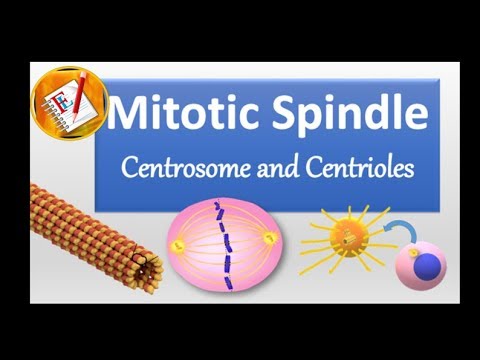
Centrosomes are small structures found in eukaryotic cells. They’re made up of two centrioles and act as the main organizing centers for microtubules during cell division. So what are microtubules? Think of them as small, flexible rods that help shape the cell and move things around inside it. During division, these guys are crucial!
Now, when a cell gets ready to divide, something cool happens. The centrosomes duplicate so there are two for each daughter cell. This is vital because they will help form what’s called the spindle apparatus. You know how a puppet show uses strings to control the puppets? The spindle apparatus does that with chromosomes—those little bundles of DNA that hold our genetic info.
Here’s where it gets interesting: as soon as the nuclear envelope breaks down (like tearing down a wall to expose the puppets), those microtubules start reaching out from each centrosome toward chromosomes lined up in the middle of the cell. They grab onto specific spots on chromosomes known as kinetochores—kind of like hooks on a coat rack! Once attached, these microtubules begin to tug and pull on chromosomes.
A wild fact is that sometimes mistakes happen during this process! If everything goes smoothly, each daughter cell gets one copy of every chromosome. But if something goes wrong—like if a centrosome doesn’t function properly—you could end up with too many or too few chromosomes in one or both daughter cells. And guess what? That can lead to serious issues like cancer or genetic disorders.
But wait, there’s more! During metaphase (that fancy stage when chromosomes line up), it’s all about balance. The tension created by pulling forces from opposite sides helps ensure proper alignment before moving on to anaphase—the part where those chromosomes finally get separated.
In summary:
- Centrosomes are essential for organizing microtubules during cell division.
- They duplicate before a cell divides.
- The spindle apparatus forms from these microtubules.
- This structure ensures proper distribution of chromosomes.
- Mistakes during this process can have serious consequences.
So next time you think about why cells divide or how they make new ones, just remember—the unsung hero here is the centrosome, working behind the scenes like an efficient construction foreman in your body! It’s pretty neat how these tiny structures keep everything running smoothly at such a microscopic level, isn’t it?
Understanding the Spindle Checkpoint: Its Critical Role in Mitosis and Cell Division Regulation
The spindle checkpoint is like the quality control manager of cell division. It ensures that cells don’t divide until everything is just right. Imagine you’re waiting for a bus, and you see it’s coming but the door is still closed. You wouldn’t jump on, right? You’d wait for it to be ready. This is kinda what the spindle checkpoint does for cells during mitosis!
Okay, so what exactly happens in mitosis? Basically, it’s when a single cell divides into two daughter cells. During this process, there’s a stage called metaphase where the chromosomes line up in the middle of the cell. The spindle checkpoint kicks in here—it checks if all chromosomes are properly attached to the spindle apparatus.
Now, picture this: chromosomes are like those cool friends who need to get on the bus in pairs; if one’s missing or mismatched, you can’t leave yet! And that’s critical because if something goes wrong—like a chromosome not being pulled apart correctly—you could end up with cells that have too many or too few chromosomes. This can lead to all sorts of problems like cancer or other diseases.
The spindle checkpoint operates mainly through two big players: **Mad2** and **BubR1**. These proteins act as sensors. If Mad2 detects that a chromosome isn’t attached properly, it sends signals to halt the whole process until everything is fixed up! Isn’t that cool? It’s almost like having an alarm system for your car—if something isn’t right, you can’t drive off just yet.
You can think of it like this: let’s say you’re throwing a party and only half of your friends have shown up. You wouldn’t start playing games without everyone there! In terms of cell division, if even just one chromosome isn’t ready to go? The spindle checkpoint makes sure things come to a stop until all those little guys are lined up perfectly.
And get this—some cancers have found ways to dodge this checkpoint. They might skip it altogether or ignore its signals. This bypassing allows them to grow uncontrollably which makes treating these kinds of cancers super tricky!
So yeah, understanding how the spindle checkpoint functions gives us major insights into cellular behavior and division regulation. It helps us grasp why things go wrong in diseases and maybe how we can fix those issues down the line.
In summary:
- The spindle checkpoint ensures proper attachment of chromosomes.
- It prevents premature cell division.
- Cancer can exploit failures in this system.
Keeping track of all these processes might seem complex at first glance but breaking them down makes them feel more manageable—just like organizing a party!
You know, when you think about how our bodies grow and repair themselves, cell division is a pretty big deal. And right in the heart of that process is something called the spindle apparatus. It sounds technical, I get it, but hang tight! It’s basically like a super-organized team of ropes and pulleys that help divide cells during their replication.
Imagine this: One time in biology class, I was trying to visualize how cells split apart. My teacher compared it to a dance performance where each dancer had to grab hands at just the right moment to keep everything smooth. That’s kind of what spindles do—they ensure that the chromosomes (which hold all your genetic info) line up perfectly and separate into two new cells without any mix-ups. If they mess up? Well, then you could end up with cells that have too many or too few chromosomes, which can lead to problems like cancer or genetic disorders. Yikes!
So here’s how the magic happens. Microtubules—those are tiny tube-like structures—come together to form this spindle thingy during cell division phases called mitosis and meiosis. They attach to proteins on the chromosomes called kinetochores (fancy name, huh?). And then they pull those chromosomes apart like they’re playing a game of tug-of-war! Seriously, it’s quite an impressive feat when you think about it.
But what gets me is the precision required for this whole process to work flawlessly. Imagine if someone forgot their steps during that dance performance; it could turn into chaos pretty quickly! Interestingly, researchers are still uncovering new insights into spindle dynamics—how they move, adapt and sometimes even fail. It all has huge implications for understanding diseases and finding better treatment options.
To sum it up, spindle biology might sound complex at first glance but really highlights this amazing balance of order and chaos inherent in life itself. The tiniest structures in our cells play colossal roles in keeping our bodies functioning properly—and that’s just mind-blowing, don’t you think?