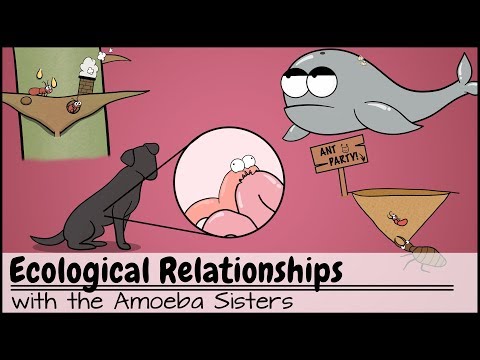
So, I was watching this nature documentary the other day. You know, the ones where cute little animals frolic around in their habitats. Suddenly, they cut to these creepy-looking parasites doing their thing. I mean, seriously, who invited them to the party? But here’s the kicker: those little guys are way more interesting than you might think!
Parasites get a bad rap, and yeah, some of them are pretty gross. But they actually play a vital role in keeping ecosystems balanced. Can you believe that? They’re like the unsung heroes of nature!
You might be wondering how these tiny beings fit into the big picture. Well, they influence everything—from host populations to food webs and even biodiversity. Crazy stuff! So let’s dig a little deeper into this world of sneaky critters and see how they impact our planet in ways we never imagined. Ready for this wild ride?
Understanding the Ecology of Parasites: Insights into Host-Pathogen Interactions and Ecosystem Dynamics
Parasites, you know, they get a bad rap. They’re often seen as just pesky little things that make us sick or annoy our pets. But in the grand scheme of things, parasites play a crucial role in ecosystems. Let’s break down how they fit into the big picture.
First off, what are parasites? Simply put, they’re organisms that live on or inside another organism, known as the host. They rely on their host for nutrients and often cause some harm in the process. This creates an intriguing relationship called a host-pathogen interaction. It’s like an unwanted roommate: sometimes they’re just annoying, but other times they can create chaos!
You might be wondering how this all ties into ecology. Well, parasites can influence host populations. For example, if a parasite spreads rapidly through a species of birds, it might decrease their population. This doesn’t just impact the birds; it can have ripple effects throughout the whole ecosystem, affecting predators and plants that rely on those birds.
Another interesting point is biodiversity. Isn’t it strange? Parasites usually thrive in diverse ecosystems where hosts are varied. They naturally select for stronger and healthier hosts because those are harder to infect. This means that parasites can actually help keep host populations robust by removing weaker individuals—like nature’s version of tough love!
- Examples abound: Take the famous example of sea otters and sea urchins in kelp forests! Without otters (which sometimes harbor parasites), urchin populations explode and destroy kelp forests.
- This leads to habitat loss: Kelp forests are vital habitats for many sea creatures; so you see how one little parasite could disrupt an entire ecosystem!
- Ecosystem engineers: Some parasites even change their hosts’ behavior to increase their chances of transmission! Like how certain parasitic fungi turn ants into zombies to spread their spores more easily—nature is wild.
The complexity here is jaw-dropping! The interactions between hosts and parasites contribute to what’s known as disease dynamics, which can vary with environmental changes. Think about climate change—it’s altering habitats and giving certain parasites an edge over others. This might lead to new outbreaks or shifts in species distributions that we never anticipated.
You know what else is cool? Parasites also provide insights into evolutionary processes. They push hosts to adapt over generations which can lead to fascinating evolutionary arms races—think of it as survival of the fittest but with an extra layer of drama!
This kind of knowledge isn’t just for scientists—it’s something everyone should be aware of because it underscores our interconnectedness with nature. If we want healthy ecosystems and robust wildlife populations, we need to understand these often-overlooked organisms lurking beneath the surface.
The next time you hear “parasite,” try not to cringe! Instead, think about how these little creatures shape our world in ways that are both mysterious and essential.
Exploring the Influence of Parasitism on Population Dynamics in Ecological Systems
Parasites are like the uninvited guests at a party. They crash into an ecosystem, often messing with the guest list, shifting dynamics, and influencing population sizes in surprising ways. You know how some people can’t help but feel overwhelmed when too many guests show up? Well, that’s precisely how parasites impact their hosts.
First off, let’s talk about what parasitism actually is. This is when one organism benefits at the expense of another. Think about a tick sucking blood from a deer! The tick gets its meal while the deer suffers from blood loss and potential disease. So basically, it’s a tough life for the host.
Now, here comes the interesting part. These little critters don’t just affect individual hosts; they can alter entire populations! For instance, if parasites make animals sick or reduce their reproductive rates, you might see that population start to dwindle. It’s like hitting pause on growth—lots of hosts can’t have babies if they’re busy feeling terrible!
- Control of Species Populations: Parasites can limit populations of dominant species. If one species gets hit hard by diseases spread by a parasite, it opens up space for others to thrive.
- Food Web Dynamics: Think about how changing one part of a web affects everything else. If a predator population declines due to parasites, prey species may explode in numbers, which could lead to overgrazing and habitat destruction.
- Ecosystem Health: Some scientists suggest that parasites might even help keep ecosystems healthy by promoting biodiversity. When one species suffers under parasitic pressure, it creates opportunities for less dominant species to thrive.
You might be asking yourself why these relationships matter so much in nature. Well, it’s all about balance! Just imagine your favorite park—it thrives partly because plants and animals keep each other in check.
A classic example is seen with sea otters and sea urchins in kelp forests. Sea otters munch on sea urchins (who are themselves affected by parasites), and without otters around due to disease or hunting pressure, urchin populations explode! This leads to overgrazing of kelp forests—so you see how tightly knit these connections really are?
Biodiversity is impacted too since not all species get affected equally by parasites. Some have resistance while others don’t; this uneven playing field can change which species flourish or fade away over time.
What’s more interesting is that some parasites can manipulate their hosts’ behavior! For example, certain cat parasites alter rodent behavior so they’re less frightened of cats—making them easier meals for felines! It’s like turning rats into food-delivery services for momma parasite—how wild is that?
The relationship between parasites and their hosts brings us deeper insight into evolution as well. Hosts develop defenses against their persistent guests which gives rise to an ongoing arms race between adaptations—like nature’s version of Survivor!
So there you go! Parasitism isn’t just about bugs ruining dinner; it’s a vital player in shaping ecosystems and population dynamics across the globe. It’s all interconnected like pieces of a giant puzzle where every piece affects another.
Exploring Parasite Ecology: Insights into Ecosystem Dynamics and Interactions – PDF Resource
Parasites might just be some of the most misunderstood creatures on Earth. You probably think of them as pesky invaders, right? But they actually play a pretty significant role in the grand scheme of things, especially when it comes to how ecosystems function.
What’s a parasite? Essentially, a parasite is an organism that lives on or inside another organism (the host) and gets nutrients at the host’s expense. You’ve heard of common examples like ticks or tapeworms; these little guys can cause all sorts of trouble for their hosts. But they can also have unexpected effects on the ecosystem.
So, why should you care about parasite ecology? Well, these organisms help keep populations in check. Imagine a world without parasites—some species could explode in numbers. This overpopulation can lead to resource depletion and eventual collapse of that species. It’s like having too many guests at a party; eventually, things get messy!
Here are some key insights into parasite ecology:
- Population Regulation: Parasites help maintain the balance between different species by keeping host populations under control.
- Biodiversity Impact: They can increase biodiversity by promoting the coexistence of different species. This happens when some species are kept from dominating by parasitism.
- Nutrient Cycling: Parasites influence nutrient flows and energy transfer in ecosystems. They can alter food webs by affecting predator-prey relationships.
- Host Evolution: Hosts often evolve defenses against parasites, which drives adaptation and evolution across species.
What’s particularly fascinating is how parasites interact with other organisms beyond their immediate hosts. For instance, take a look at Toxoplasma gondii. This parasite not only infects rodents but also manipulates their behavior, making them less afraid of cats! So when these rodents get eaten—which is what Toxoplasma wants—they help complete its life cycle. <b“ecological dysfunction. When you have an imbalance caused by human activity—like pollution or habitat destruction—it can lead to unchecked parasite populations that might negatively impact local wildlife.
Now, picture this: there’s a pond in your neighborhood. It seems peaceful until suddenly you hear frogs croaking loudly after heavy rainfalls. Those frogs might be trying to escape a sneaky little nematode that infects them! When one frog gets infected, it can affect others around it due to competition for resources or even acting as a food source for predators attracted by the scent.
So yeah, even though they can be creepy crawlies in our minds, parasites are more than just nuisances—they’re integral players in maintaining ecological balance and functionality! Understanding their role gives us deeper insights into how ecosystems tick—and honestly? That’s just plain cool!
Alright, so let’s talk about parasites and their sneaky little roles in the ecosystem. You might think of a parasite as just a nuisance—like that annoying mosquito buzzing around your ear at night. But the truth is, these critters are playing some pretty crucial roles in the grand scheme of things.
Picture yourself on a hike. You’re surrounded by towering trees, chirping birds, and that comforting rustle of leaves. It’s easy to take all that beauty for granted, but every part of an ecosystem is interconnected—even the tiny parasites hiding out there.
Parasites can actually influence populations of their hosts in wild ways. If they take hold of a species and start spreading through it, they can keep those populations in check. For example, think about how wolves help control deer populations in a forest. Well, parasites do something similar on a smaller scale but with all sorts of animals—sometimes even plants! By keeping host numbers down, they help maintain balance within the ecosystem.
I remember once hearing about a study where scientists examined how parasitic worms affected fish populations in a lake. As they dug deeper into their research (pun intended), they found that the worms caused some fish to become more vulnerable to predators because they were weaker or less able to escape! This opened up new prey opportunities for bigger fish and birds—who knew those pesky worms could be like an unwanted buffet for others?
And it goes beyond just direct effects. Parasites also interact with microorganisms and plants, creating complex webs of life that can react to changes like climate shifts or human activities. These shifts can upset whole ecosystems if major players are removed or added.
It’s fascinating when you think about it; something so small can have ripple effects throughout an entire environment. Seriously makes you rethink what you thought you knew about nature being all warm and fuzzy! And sure, some parasites can wreak havoc on human health or livestock—that’s no joke—but even then, there’s usually more going on than meets the eye.
So next time you’re out enjoying nature, take a moment to appreciate those unseen players—the little guys may be lurking around us more than we realize! They remind us just how intricate life is and how every creature has its place in this beautiful chaos we call nature.