You ever find yourself staring at a tree and wondering what secrets it’s hiding? Like, is that oak tree just standing there judging us? Seriously, nature is full of surprises!
So, here’s the deal: the world’s got all these different ecology types, and they’re kind of like the cool kids at a party. Each one’s got a role to play to keep our ecosystems healthy and buzzing.
Think of it this way—if you had a pizza with all your favorite toppings, you wouldn’t want just plain cheese, right? You need variety! Each type of environment brings something unique to the table. From lush forests to arid deserts, they all contribute in ways you’d never expect.
Join me as we explore this wild world of ecology. We’re talking about how every little piece fits into the big puzzle of life on Earth. Ready for some fun facts? Buckle up!
The Critical Role of Diverse Ecosystems: Understanding the Impact of Biodiversity on Ecological Health
Biodiversity is, like, super important for keeping our ecosystems healthy. You might wonder why a bunch of different species matters so much. Well, it turns out that every organism plays a role, kind of like pieces in a giant puzzle. If you take one piece away, the whole picture can be affected.
Diverse ecosystems are like nature’s insurance policy. They help provide stability and resilience against environmental changes. Think about it this way: if you have a forest full of different trees, some can survive droughts better than others. If one tree species struggles, others might thrive and keep the ecosystem balanced.
Now, let’s chat about some specifics. Here are key points that showcase how biodiversity impacts ecological health:
- Food webs: Each species has its place in the food web—prey and predator relationships form complex networks that help regulate populations.
- Pollination: Diverse plants attract various pollinators like bees and butterflies. This helps produce fruits and seeds, vital for many animals (and us!).
- Nutrient cycling: Different organisms contribute to soil health by breaking down organic matter and enriching it with nutrients.
- Pest control: Predatory insects keep pest populations in check naturally; fewer pests mean healthier crops.
A personal story? I remember hiking through a vibrant rainforest once; it was teeming with life! The sounds of birds chirping, insects buzzing, and leaves rustling were mesmerizing. I felt this connection to every living thing around me. That diverse environment was filled with plants and animals interacting dynamically—it hit me then how vital each part of that ecosystem is.
When we lose biodiversity due to pollution or deforestation, the effects ripple outwards; you see more disease outbreaks or crop failures when those connections weaken. Imagine trying to bake a cake without flour or sugar—suddenly things don’t taste right!
In summary, biodiversity shapes our world, ensuring ecosystems can thrive despite challenges. Preserving these diverse environments isn’t just about saving cute animals or pretty plants; it’s about maintaining the balance essential for life itself! So next time you’re outside enjoying nature’s beauty, remember how all those different species work together to keep everything ticking along smoothly.
Exploring the Four Types of Ecology: A Comprehensive Guide to Ecological Science
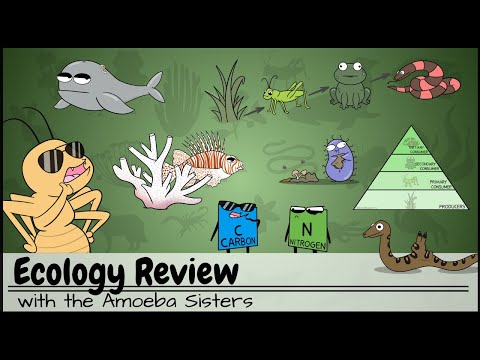
Ecology is super cool because it helps us understand how living things work together and interact with their environment. There are four main types of ecology, and each plays a unique role in maintaining the health of our ecosystems. Let’s break them down!
1. Autoecology focuses on individual species and their interactions with the environment. Basically, it’s like studying one character in a book to see what they do alone in their world. For example, imagine a lone oak tree in a forest: autoecologists would explore how that tree grows, what it needs to flourish, and how it reacts to sunlight or water availability.
2. Synecology, on the other hand, looks at groups of organisms and how they live together within communities. Think of it as examining a whole ensemble cast in a movie! Take coral reefs: synecologists study how various species—like fish, corals, and algae—interact with each other and maintain the reef’s overall health. Their relationships are essential; if one species declines, the whole ecosystem can feel the effects.
3. Population ecology zooms in even more on groups of individuals from the same species—yeah, like studying an entire class instead of just one student! This branch looks at factors affecting population size, distribution, and dynamics over time. For instance, if you’re considering wolves in Yellowstone National Park, population ecologists analyze their numbers to understand hunting patterns or breeding successes which can inform conservation efforts.
4. Community ecology takes everything up another notch by evaluating multiple populations that coexist in one area—sort of like examining an entire neighborhood! Here you’d investigate interactions such as competition between species or predation risks (who eats whom). A classic example is looking at grasslands where multiple herbivores live together; understanding these relationships helps ecologists determine what keeps the grassland healthy.
When all these types come together—autoecology giving insights into individual needs; synecology showing community dynamics; population ecology telling us about growth trends; and community ecology revealing interaction patterns—it paints a clear picture of ecosystem health.
Wildlife corridors often arise from this knowledge too! These are pathways that connect wildlife populations separated by human activity. Creating these corridors facilitates movement between habitats which is crucial for maintaining genetic diversity and ecosystem resilience.
So next time you stroll through a park or hike a trail, remember there’s more going on than meets the eye! Every leaf rustling might be part of this intricate dance we call ecology—a reminder that our planet’s ecosystems thrive through cooperation among its diverse residents. And hey—if we don’t pay attention to these connections? Well… that would be like ignoring serious drama unfolding right before your eyes!
Exploring Ecosystem Biodiversity: Key Insights and Advances in Scientific Research
Ecosystem biodiversity is like the collection of all the different living things around us. It’s a big deal, not just because it’s cool to see so many species, but because these creatures play vital roles in keeping our planet healthy. When we talk about biodiversity, we’re really discussing the variety of life—plants, animals, fungi, and microbes—all interacting in various ecological types, like forests, wetlands, or grasslands.
One important point is that each ecosystem type has its specific set of roles that contribute to its health. For instance, forests are awesome at capturing carbon dioxide. They literally breathe in CO2 and help fight climate change while providing oxygen for us. Plus, they house countless species—from tiny insects to large mammals.
Then you have wetlands. These places act like nature’s sponges! They soak up excess water during heavy rains and release it during dry spells. This helps prevent floods and maintains water quality by filtering out pollutants. Isn’t that impressive?
Now let’s not forget grasslands. These ecosystems support massive herds of herbivores like bison or zebras. Their grazing helps control plant growth while also creating habitats for smaller creatures. And when they poop? That actually helps fertilize the soil!
A little emotional story: Imagine a community that lives near a river teeming with life. One day, they discover that pollution is killing off fish populations they’ve relied on for generations. When biodiversity drops in an ecosystem, it’s not just sad—it can affect livelihoods and food sources too.
Research now confirms what we’ve suspected: ecosystem health is directly linked to biodiversity. The more diverse an ecosystem is—the more species there are—the better it can recover from disturbances like disease or climate changes. Scientists are studying how healthy ecosystems can boost their resilience against threats in ways we didn’t fully understand before.
Advances in scientific methods are helping us learn even more about these relationships between diversity and health. Technologies like genetic sequencing allow researchers to identify species quickly and assess genetic variations within populations—crucial information when trying to protect endangered species or restore damaged habitats.
It’s also worth noting how human activities impact this balance! Habitat destruction due to urban development or agriculture can lead to declines in biodiversity which affects overall ecosystem functions.
So basically, if we want to keep our planet thriving for future generations—and ourselves—we need to care about every little creature out there doing its part in the grand dance of life! Ecosystem diversity isn’t just something nice to have; it’s essential for maintaining both environmental stability and our way of life on Earth.
Ecology is like this vast tapestry, woven together by different threads of life. It’s pretty amazing when you think about it. Picture a forest, right? Tall trees swaying in the wind, little critters scurrying about, and all sorts of plants jostling for sunlight. Well, that’s just one type of ecology—a forest ecosystem. Now, shift your gaze to a coral reef, bursting with colors and teeming with fish. Totally different vibe, huh? But both are super important.
Each type of ecosystem has a unique role in keeping our planet healthy. Forests filter the air we breathe and serve as homes for countless species. They store carbon too! Coral reefs, on the other hand, protect coastlines from erosion and support marine life diversity. Isn’t it wild how interconnected everything is? You’ve got these ecosystems standing alone but also working together in this intricate balance.
I remember hiking through a national park once and stumbling upon a clearing filled with wildflowers. The colors were like an artist’s palette! I learned later that those flowers help sustain pollinators like bees and butterflies—pieces you might overlook at first glance but are crucial for food production and plant reproduction. It was eye-opening to see how something so beautiful could also serve such an important purpose.
Then we have wetlands! These guys are like nature’s sponges; they soak up excess rainwater, preventing floods and providing habitats for all sorts of wildlife. Who knew a muddy area could play such a vital role? Seriously though, every ecosystem type brings something unique to the table.
But here’s the kicker: these ecosystems are under threat from pollution, climate change, and urban expansion. If we lose one type of ecology, it’s not just that particular place that suffers; it sends ripples through everything else connected to it—like losing one thread in that grand tapestry I was talking about earlier.
So next time you’re out in nature or even just watching documentary about wildlife on your couch (hey! no judgment here), take a moment to appreciate the diversity around you. Each ecosystem tells its own story while contributing to the overall health of our planet—it’s all connected. And remember: caring for these environments means caring for ourselves too!