You know that feeling when you walk into a rock shop and it’s like stepping into an alien world? Seriously, there are rocks that sparkle, rocks that look like they belong in a sci-fi movie, and others that are just plain odd.
But here’s the kicker: those funky rocks are more than just pretty decor. They’re like nature’s little historians, telling us stories about our planet. Want to know how? Well, put on your geology cap because we’re about to explore the wild variety of rock types and why they matter in Earth science.
From the majestic mountains to the tiniest pebble on a beach, every rock has its own tale to tell. So grab a snack, settle in, and let’s dig into this rocky adventure!
Exploring the Diverse Types of Rocks in Earth Science: A Comprehensive Guide
Rocks are everywhere. They’re like the backbone of our planet, each type telling a different story about Earth’s history. So, let’s chat about the three main types of rocks you’ll encounter: igneous, sedimentary, and metamorphic. Each has its own vibe, and they all play a role in how we understand our world.
Igneous rocks form from cooled magma or lava. When molten rock cools, it crystallizes into solid material. Think of it like making ice cubes but with fire instead of water! There are two main types here:
- Intrusive igneous rocks: These form when magma cools slowly underground. Granite is a classic example—its big crystals reflect that slow cooling process.
- Extrusive igneous rocks: These are made when lava cools quickly on the surface. Basalt is a common one; it’s often found in volcanic areas.
Now, let’s switch gears to sedimentary rocks. You know those times you’ve seen layers in cliffs? That’s sedimentary rock for you. It forms from particles of sand, silt, and clay accumulating over time—kind of like making a layered cake with different ingredients:
- Clastic sedimentary rocks: These come from fragments of other rocks that have been weathered down and compressed together. Sandstone is a typical example.
- Chemical sedimentary rocks: These form when minerals precipitate out of water. A good example is limestone, which can even form from tiny sea creatures’ shells!
- Biological sedimentary rocks: As the name suggests, these are made up of materials that come from living organisms. Coal is an interesting one—it’s basically ancient plant material that has been compacted over millions of years.
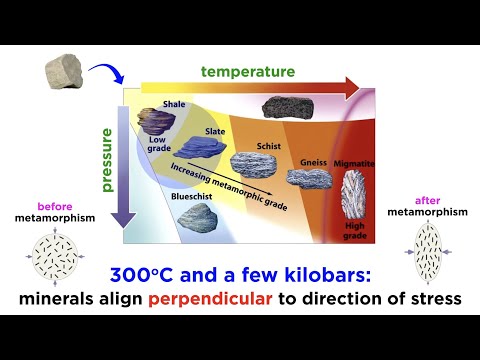
Lastly, we have metamorphic rocks. These are like the rebels of the rock world—they start as either igneous or sedimentary but transform under heat or pressure without melting. It’s like playing with Play-Doh and reshaping it entirely:
- Foliated metamorphic rocks: These have layers or bands due to pressure changes during formation. Schist and gneiss are popular examples; they can look really striking!
- Non-foliated metamorphic rocks: They don’t have those bands and tend to be more uniform in texture. Marble is one that comes to mind—it’s been prized for sculptures for ages.
Why does this matter? Well, understanding these rock types helps scientists piece together Earth’s history and geological processes. Imagine being a detective but instead of solving crimes, you’re solving Earth’s mysteries!
Rocks influence everything—from where we build our cities to how natural resources are extracted. Plus, they’re super important for ecosystems too; think about how soil forms from weathered rock materials.
So next time you’re outside or even just looking at a building or a driveway, take a moment to appreciate the type of rock beneath it all—it tells an incredible story about our planet’s past!
Understanding the Three Rock Types: Their Significance in Geology and Earth Sciences
Rocks are like the Earth’s storybook, each type telling us something different about our planet’s history. The three main rock types are igneous, sedimentary, and metamorphic. Understanding these helps geologists piece together the past, you know?
Igneous rocks form from cooled molten material, called magma. When magma erupts from a volcano and cools quickly, it turns into rocks like basalt. If it cools slowly underground, you get granite. Each one tells us about volcanic activity. For instance, granite’s big crystals show it cooled slowly deep in the Earth.
Sedimentary rocks, on the other hand, come from bits and pieces of other rocks or organic materials. They form through processes like erosion or the accumulation of sediments in water bodies. Think of sandstone or limestone! These rocks can contain fossils, which give clues about ancient life forms and environments. When I was hiking once, I found some cool layers in a cliffside that were all squished together—those layers were sediments that built up over millions of years.
Metamorphic rocks are pretty neat too! They start as igneous or sedimentary rocks but transform under heat and pressure over time—like coal turning into diamond! Take schist, for example; it’s got shiny mineral flakes thanks to intense conditions deep in the Earth. This transformation tells us about tectonic movements and where continental plates collide.
- The formation process connects igneous to sedimentary to metamorphic.
- Igneous rocks show volcanic activity and cooling rates.
- Sedimentary systems record ancient environments and life.
- Metamorphic changes reveal pressure and temperature conditions in Earth’s crust.
This classification isn’t just for fun; it actually helps scientists predict natural disasters! For instance, understanding where sedimentary rock layers are can indicate areas prone to landslides or earthquakes. Cool stuff, right?
In a nutshell, these three rock types help us understand everything from how mountains form to how life has evolved on Earth. It’s like piecing together a giant geological puzzle—each rock type is an important piece!
“The Crucial Role of Rocks in Earth’s Geology and Ecosystems: Understanding Their Impact on Science”
So, rocks, right? You might think they’re just, like, the boring stuff you trip over when you’re walking outside. But honestly, they’re kind of a big deal in Earth’s geology and ecosystems. Like, without them, our planet would be totally different—just a ball of water or something! Let’s unpack this.
Diverse Rock Types
First off, there are tons of different types of rocks. You’ve got three main categories: igneous, sedimentary, and metamorphic. Each one plays a unique role in shaping Earth.
- Igneous rocks are formed from molten material. Think magma cools down and turns into rock. These babes are crucial because they form the foundation of most continents.
- Sedimentary rocks come from particles that settle over time. You know how sand piles up on a beach? That’s similar to how sedimentary rocks form! They often hold fossils too, which helps scientists understand ancient life.
- Metamorphic rocks are those that have been changed by heat and pressure. It’s like they went through an intense makeover! This process can create beautiful materials like marble.
Their Impact on Earth’s Surface
Rocks don’t just sit there looking pretty; they actively shape our landscapes! Erosion, for example, happens when wind and water wear down rocks over time. This process gives us everything from smooth river valleys to steep cliffs. In fact, places like the Grand Canyon owe their existence to millions of years of erosion!
You know what else is super cool? Rocks store information about past climates! That’s why geologists study them—they provide clues about what Earth was like ages ago. Think about it: if you stumble upon a layer of coal in sedimentary rock, that tells you that area was once swampy and full of plants!
Roles in Ecosystems
Rocks also play a vital role in ecosystems. They provide habitats for numerous critters—like little insects or even larger animals who need shelter. Plus, many plants rely on minerals found in soils developed from weathered rocks to grow healthy.
And let’s not forget about soil formation! When rocks break down over time, they create soil that’s essential for agriculture and natural vegetation alike. Seriously—without those weathered bits of rock nourishing the land, we would struggle to grow food!
Scientific Research and Resources
The scientific community relies heavily on studying rocks for various purposes. From understanding earthquakes (hello plate tectonics!) to finding valuable resources like minerals or fossil fuels—they’re all tied to geological formations.
Rocks can also tell us more about natural disasters by revealing patterns over time. For example, certain rock layers may show evidence of past volcanic eruptions or landslides—this stuff helps scientists predict future events!
So yeah, next time you’re out hiking or just hanging around outdoors and spot some cool-looking stones or rock formations, take a moment to appreciate their story—their impact stretches way beyond what meets the eye! Rocks aren’t just Earth’s crust; they’re history’s pages written across our planet’s landscape.
You know, rocks might seem pretty boring at first glance. I mean, they just sit there, right? But seriously, when you start digging into them (pun totally intended!), you realize they’re like little time capsules, each telling a different part of Earth’s story.
So, there are basically three main types of rocks: igneous, sedimentary, and metamorphic. It’s kind of like a rock family reunion! Igneous rocks form from cooled magma or lava. Ever hiked near a volcano? Those chunks of hard rock were once molten goo! Sedimentary rocks are formed from layers and layers of tiny bits—think sand or mud—that eventually get pressed together over time. It’s like nature’s way of making a layered cake! And then there’s metamorphic rock; these guys start as one type and get transformed by heat and pressure. It’s sort of like a superhero origin story; they come out even tougher and cooler than before.
I remember this time I went hiking in the mountains with some friends. We stumbled upon this massive cliffside made up of different rocks layered on top of each other. It hit me then how much history was right beneath our feet—like millions of years worth! Each layer was its own chapter in Earth’s epic tale. Crazy to think about how those layers hold clues about the environment back then—what plants were around, what kind of climate it had.
Rocks play such a big role in Earth science too. They help geologists understand things like earthquakes and volcanic activity which is super important for keeping people safe! They even help us find resources like oil or minerals we use every day without even realizing it.
So yeah, the next time you’re out and about—and maybe tripping over stones—pause for a moment to appreciate them. Those unassuming little guys carry more stories than most people do in a lifetime! And that’s just one more reason why Earth science can be so cool to explore together!