So, let me tell you a little story. Picture this: you’re at the beach, sipping a drink, and building a sandcastle. You know how you have to pack that sand just right to make it stand? Well, that’s kind of what happens with sandstone!
Sandstone is like Mother Nature’s version of our beach castles, but way cooler and way older. It’s formed from tiny grains of sand that have been squished together over millions and millions of years. Crazy, right?
You might think rocks are boring—just sitting there looking tough—but trust me, sandstone has some fascinating tales hidden in its layers! So grab your shovel (or not!) as we dig into the science behind how this awesome rock comes to be. You in?
Understanding the Geological Processes Behind Sedimentary Sandstone Formation
So, let’s chat about sandstone, shall we? Sandstone is one of those cool rocks that you might stumble upon at the beach or see in a really old building. It’s this type of sedimentary rock, meaning it’s formed from bits and pieces of other rocks and materials.
First off, what exactly is sediment? Well, imagine broken-down bits of rock, like gravel or sand. These fragments can come from all over the place—like mountains eroding away or rivers washing things down. Over time, they collect in layers. It’s kind of like how you build up a layer cake, but instead of frosting between your cake layers, you have dirt and minerals!
Now let’s break down the whole process:
- Erosion: This is where it all begins. Wind and water chip away at rocks, breaking them down into smaller particles.
- Transportation: After erosion happens, these tiny pieces get moved around by wind or water. Imagine a river carrying pebbles along its current. Cool picture, right?
- Deposition: Eventually, these bits settle somewhere—usually in lakes or oceans—where they pile up over time.
- Lithification: Here’s where the magic happens! As more layers get deposited on top, pressure builds up on the lower layers. This pressure compacts everything together and sometimes even squeezes out water or air trapped in between!
- Cementation: To finish it off, minerals like silica or calcite act as glue to bind those particles together even stronger.
In a nutshell, you’ve got erosion breaking things down first; then transportation moving those fragments; deposition piling them up; lithification turning loose particles into solid rock under pressure; and finally cementation sticking everything together!
You might be wondering about places where this happens. Think about deserts with shifting sands or river deltas where sediment piles high—it’s happening everywhere! But there are some really famous spots too! For example, Utah’s National Parks have stunning sandstone formations that were once ancient riverbeds.
And hey! Here’s something emotional: Some folks get really attached to places made of sandstone. Like hiking through canyons carved into sandstone can be breathtaking—and people feel a deep connection to nature there.
So that’s the deal with sandstone formation—it’s a story of patience over time as nature works its magic! And who knows? Maybe next time you’re out exploring, you’ll look at that sandy beach a bit differently!
Understanding Sedimentary Rock Formation: A Scientific Exploration of Geological Processes
Sure thing! Let’s unpack how sedimentary rocks, especially sandstone, come into being.
Sedimentary rocks are formed from **particles** and **organic materials** that pile up over time. You know how beaches have sand? Well, when that sand gets compacted and cemented together, it can turn into sandstone. It’s a pretty cool process!
First off, let’s talk about the stages of sedimentary rock formation. Here are some key steps:
- Weathering: This is where rocks are broken down into smaller pieces by wind, water, and ice. Imagine raindrops hitting a rock repeatedly—over time, those drops wear it down.
- Erosion: Once the rocks are broken down, those tiny bits get moved around by natural forces like rivers or glaciers. So, the particles travel until they settle somewhere new.
- Deposition: When the moving particles finally land in a calmer spot—like the bottom of a lake or at the beach—they pile up. That’s like when you’re at a party and people keep dropping their snacks on one table. It just builds up!
- Compaction: Over time, more layers of sediment build on top of the already settled stuff. Those upper layers push down on the lower ones, squishing them together really tight.
- Cementation: Finally, minerals in water seep into those compacted sediments and act like glue to hold everything together. It’s similar to how sugar dissolves in your iced tea—it sticks things together in a way!
So now you’ve got sandstone! Pretty neat how something so solid can come from something as loose as sand.
Let’s take a quick detour into why sandstone is important or interesting. For one thing, it often forms in places that were once ancient oceans or deserts—places you wouldn’t expect to find rocks today! Think about standing on a beach; that sand could be millions of years old if it turned into stone.
You might also see different colors in different types of sandstone due to varying mineral content. Some look reddish because they have iron oxide—basically rust! Others can be gray or brown depending on what minerals are hanging out during formation.
And don’t forget about fossils! Sometimes little critters get trapped in that sediment before it turns solid. Finding dinosaur footprints or ancient plant material can tell us tons about Earth’s history.
Lastly, there are different types of sedimentary rocks besides sandstone; for example:
- Limestone: Made mostly from calcium carbonate—think shells and coral.
- Siltstone: Finer than sand but coarser than clay—that middle ground!
- Shale: Made from clay particles; it’s smooth and often breaks easily.
So next time you see sandy rock formations or even just some beach sand between your toes, remember all those geological processes at play! And if you ever pick up a piece of sandstone? You’re holding onto ages upon ages of history right there in your hand—pretty amazing stuff!
5 Essential Facts About Sandstone: Insights into Its Formation and Significance in Geology
Sandstone is one of those fascinating rocks that you might not think about often, but it plays a huge role in our world. So let’s chat a bit about it, shall we? Here are some essential facts to help you understand sandstone and why it’s significant in geology.
- Formation Process: Sandstone forms from sediment. It’s all about layers of sand getting buried under other materials over time. You see, tiny grains of sand are compacted and cemented together by minerals like silica or calcite. It’s sort of like how a sandwich gets squished when you press down on it!
- Types of Sandstone: There are different types based on the size of the sand grains. For example, silty sandstone has finer particles mixed in, while granular sandstone is coarser. And then there’s sandy shale, which is basically a mix between shale and sandstone. Isn’t that cool? You can literally see the story each type tells!
- Color Varieties: The color of sandstone can be a real head-turner! It can be white, red, yellow, brown or even gray. This depends on the minerals present during its formation. For instance, iron oxide gives it that rusty reddish hue. So next time you see some colorful rock formations in nature, remember there’s a story behind those colors.
- Erosion and Landscapes: Sandstone is more than just pretty; it shapes our landscapes too! You’ll find fascinating formations like cliffs and arches made from sandstone due to erosion processes over time. Just think about places like Monument Valley or Arches National Park—they have stunning sandstone formations that make us stop and stare.
- Natural Resources: Sandstone isn’t just an eye-catcher; it’s also useful! Some sandstones hold oil and gas deposits. Plus, they’re often quarried for building materials because they’re durable yet relatively easy to shape. Imagine ancient castles or modern homes built from this rock—it’s incredible!
So there you have it! These facts highlight why sandstone deserves more credit than we usually give it. It’s not just an ordinary rock; it’s packed with history and relevance in our daily lives—looking beyond its sturdy exterior reveals so much about our planet’s past!
So, you know, sandstones are one of those rocks that seem super simple, but they’re actually pretty fascinating when you think about how they form. Picture a beach or a desert—just grains of sand all piled up, right? Well, what happens next is a bit of a natural miracle.
These grains start as tiny bits worn down from bigger rocks over billions of years. Imagine this: you’re at the beach with your friends, and everyone’s making sandcastles. But here’s the kicker—nature’s been doing that much longer than we have! Water and wind help break down larger rocks into smaller grains, which then get carried away by rivers or blown around by winds to settle somewhere new.
Now, these grains don’t just stay loose forever. Over time, layers and layers build up. You can almost picture it like stacking your favorite books; each new layer adds weight on top of the others. As more sediment piles on—clay, silt, and even more sand—here’s where it gets cool: all that pressure turns those loose grains into solid rock. It’s something called lithification! The sand grains stick together thanks to minerals that act like glue. You could say nature has its own crafty way of putting things together.
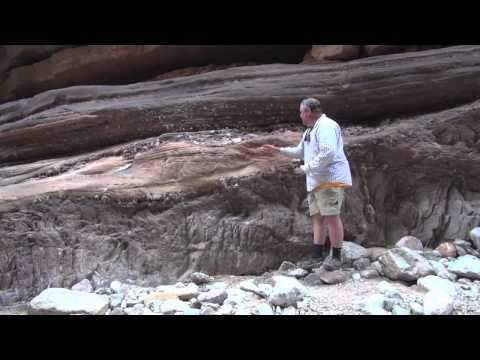
Thinking about all this makes me remember my first field trip to see the Grand Canyon. I was totally amazed by those layered rock formations that told stories of millions of years! Each layer held its own history—the colors, the textures—it was like flipping through a geological scrapbook. I thought about how wind and water shaped those rocks over eons while I stood there only for a day.
It’s wild to think about how much time goes into creating something as seemingly simple as sandstone. So next time you’re at the beach or hiking somewhere rocky, maybe take a moment to appreciate what you’re looking at. Those little grains are part of an enormous story spanning millions of years—all through fascinating processes we can actually understand if we dig in a bit deeper (pun totally intended!). Isn’t it great how nature works?