You know that moment when your phone battery hits 5% and you panic? Yeah, we’ve all been there. It’s kind of wild to think about how much we rely on those tiny lithium-ion batteries.
But here’s the kicker: getting that lithium isn’t exactly a walk in the park. Mining it can do serious damage to our planet.
Like, we’re talking about massive holes in the ground and tons of water used up—stuff that makes you go, “Wait, what’s really happening here?”
So let’s pull back the curtain a bit on lithium mining and peek at what it means for our environment. It’s a bigger deal than you might expect!
Evaluating Environmental Impact: Oil vs. Lithium in Contemporary Energy Solutions
Evaluating the environmental impact of energy sources, like oil and lithium, is pretty essential nowadays. You’ve probably heard about the push for electric cars and renewable energy. But what about the consequences of getting those materials? Let’s break it down simply.
When it comes to **oil**, we’re talking about something that’s been around for ages. It fuels our cars, heats our homes, and powers industries. But here’s the kicker: extracting and using oil releases a ton of greenhouse gases that contribute to climate change. Plus, oil spills can decimate marine life—think of those sad pictures of wildlife covered in sludge. That’s some serious damage.
Now, let’s throw lithium into the mix. Lithium is crucial for batteries in electric vehicles and renewable energy storage systems. You know, the stuff helping us move away from fossil fuels? However, lithium mining isn’t without its own issues either.
Mining for lithium often happens in areas with limited water supply, like deserts. The process requires **huge amounts of water** to extract lithium from brine or hard rock. This can lead to water shortages for local communities and ecosystems that depend on those resources. Imagine a small town suddenly running short on water because a giant lithium mine shows up next door!
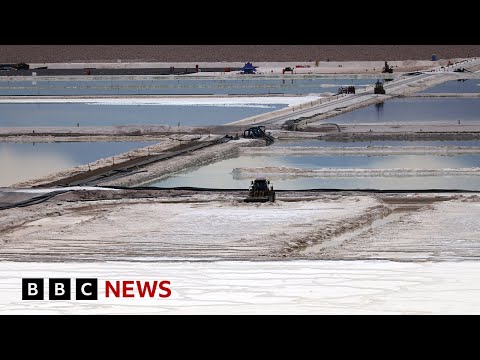
And then there’s the landscape disruption—lithium mines can scar the earth pretty badly. Open-pit mining and evaporation ponds change habitats forever.
But here’s where it gets interesting: on one hand, we have oil with its long-term pollution effects, while on the other hand, lithium mining causes immediate environmental changes but might help reduce carbon emissions in the long run by facilitating cleaner energy solutions.
So what’s better? Well:
- Oil contributes significantly to climate change but has a well-developed infrastructure.
- Lithium is essential for transitioning to cleaner technologies but poses significant local ecological risks.
- The choice isn’t clear-cut; it’s about balancing long-term benefits against immediate impacts.
Honestly, as consumers we are part of this equation too! Every time you charge your phone or hop into an electric car, you’re making a tiny vote on how you want energy systems to develop.
In summary: both options have their pros and cons when it comes to environmental impact! It boils down to how we can manage these resources better while moving towards greener technologies without wrecking our planet in the process. The journey is complicated but necessary—so be informed!
Assessing the Environmental Impact: Pollution Generated in Lithium Battery Production
Alright, let’s talk about lithium batteries and the environmental impact of their production, specifically focusing on pollution. It’s become super important to assess this because lithium is a key player in powering everything from our phones to electric cars.
Lithium Mining is the first step in the chain. It’s often extracted from salt flats or hard rock mines, and both methods can cause quite a bit of trouble. For instance, when you mine lithium from salt flats, like those found in South America, it requires a ton of water. This can lead to water shortages in local communities because the process can use up to two million liters of water for just one ton of lithium.
On top of that, the chemicals involved in extracting lithium are not super friendly. They can seep into groundwater and soil, creating contamination that can harm local ecosystems. You follow me? That’s why some people really worry about the balance between our tech needs and environmental health.
- Air Pollution: During processing, particulates and gases are released into the air. These emissions can affect respiratory health for nearby populations.
- Chemical Waste: The process creates toxic byproducts that need to be managed properly. If not handled right, they can end up poisoning water sources.
- Sustainability Issues: Replenishing resources for mining often takes decades. This puts immense pressure on local wildlife and habitats.
A little anecdote here: I remember reading about a town near a lithium mine where locals started feeling increasingly sick. They suspected it was related to dust from mining activities mixing with their air and water supply. It really hit home how dependent we’ve become on these technologies yet how many sacrifices are made behind the scenes!
The whole cycle doesn’t stop at mining either; manufacturing these batteries involves more pollution too! Factories use energy—often sourced from fossil fuels—which adds even more greenhouse gases into our atmosphere. So here we have an ongoing conversation about green energy versus its production impact.
Recycling lithium batteries could be part of the solution here! It reduces demand for fresh material and lessens waste pollution if done correctly. But recycling technology is still catching up with production needs; that’s an ongoing challenge we need to address!
The bottom line? There’s no denying lithium-ion batteries are crucial for our future but getting them has its pitfalls—especially when it comes to pollution during their production phase. We’ve got to keep pushing for better practices that balance tech advancements with environmental protection, or we risk harming what we’re trying so hard to save!
Environmental Impacts of Lithium Mining: A Scientific Analysis
So, lithium mining, huh? It’s all the rage with the push for electric vehicles and renewable energy. But before we get too excited, let’s talk about what it really means for the environment. Here’s the lowdown on this shiny metal and its not-so-shiny impacts.
First off, lithium is usually extracted from two main sources: hard rock (spodumene) and brines found in salt flats. Both methods have their consequences. Mining the hard rock involves blasting and crushing large amounts of earth to get to those precious lithium deposits. This can lead to habitat destruction and significant soil erosion. Not exactly a walk in the park for local wildlife, you know?
Now let’s chat about brine extraction. This method might sound simpler—just pump up salty water from below ground—but it has its own issues. The process requires huge amounts of water, which is often taken from already stressed local sources. Picture a desert environment where water is scarce; taking more can mean disaster for plants and animals that depend on it.
There are also some serious chemical concerns involved in lithium production. For instance, you’ve got various toxic substances that can seep into groundwater during extraction processes or when waste piles are left behind. And that’s bad news for drinking water supplies or agricultural land nearby. It’s like adding a splash of poison to your favorite drink—you wouldn’t want that!
In Chile’s Salar de Atacama, they’ve seen firsthand how lithium mining affects local ecosystems. The salt flats support unique wildlife like flamingos, which rely on specific conditions to thrive. With all that water being sucked out for lithium extraction? Let’s just say it messes up their nesting sites—seriously sad stuff.
And what about air quality? Dust generated by mining activities can kick up all sorts of trouble—not just for nearby communities but also for people working directly in the mines who might inhale harmful particles over time.
There’s a human aspect to this whole equation too! Many indigenous communities in mining regions often find themselves caught between economic opportunities and their rights to land and resources —a real tough spot where you have to balance progress with tradition.
So yeah, while lithium is key for our shiny future with electric cars and renewable tech, we need to pay serious attention to how we’re getting it out of the ground. Energetic green policies should include sustainable practices that consider both environmental health and social justice.
In summary:
- Lithium extraction methods (hard rock vs brine) have distinct environmental impacts.
- Water usage in brine extraction stresses local ecosystems.
- Chemicals pose pollution risks to soil and groundwater.
- The unique wildlife, like flamingos, may suffer due to habitat changes.
- Air quality concerns arise from dust pollution around mines.
- The rights of indigenous communities must be acknowledged in mining discussions.
So yeah, it’s complicated! Balancing our thirst for technology with environmental stewardship isn’t easy—let’s hope as we go forward we do it right!
Lithium mining, huh? It’s really become quite the hot topic lately, especially with all the buzz around electric cars and renewable energy. But honestly, it’s not just about shiny new gadgets that run on batteries; there’s a deeper story here—one that isn’t all sparkles and sunshine.
So, picture this: You’re hiking in some breathtaking mountains, breathing in fresh air, surrounded by trees and maybe even a few cute animals. Now imagine if that beautiful spot was turned into a massive mining operation. That’s pretty much what’s happening in some places where they dig up lithium. It’s like they’re trading nature’s beauty for energy storage, and you can’t help but wonder if we’re really making the right choice.
Lithium itself is essential for batteries, especially in those electric cars we’re all excited about. You know, the ones that are supposed to help us fight climate change? But sourcing lithium can be pretty damaging too. The extraction process often uses tons of water – like thousands of liters – which can drain local sources needed by nearby communities and ecosystems. And let me tell you: when water gets scarce, everyone feels it.
Then there’s the pollution bit. Mining operations can generate waste materials filled with toxic substances which might seep into soil and water supplies. This could harm wildlife and even impact human health down the line. I mean, nobody wants to think about toxins leaching into their drinking water or ruining crops.
I remember reading about a community near one of these mines dealing with health issues linked to pollution from lithium extraction. They were fighting hard to defend their land—but it felt like David versus Goliath; such an unfair match! It makes you realize how interconnected everything is—how our choices on energy and technology ripple through nature and people.
But here’s where it gets interesting: there’s innovation happening! People are working hard to find cleaner ways to mine lithium or even alternatives that have less environmental impact altogether. It shows that we can balance progress with responsibility if we put our minds to it.
So yeah, while lithium is crucial for what might be a cleaner future for us, it’s important not to overlook those hidden costs behind its extraction. It really puts things into perspective when you think about how much more effort we need to put into ensuring that our ‘green’ solutions don’t come at too high a price for our planet or its people!