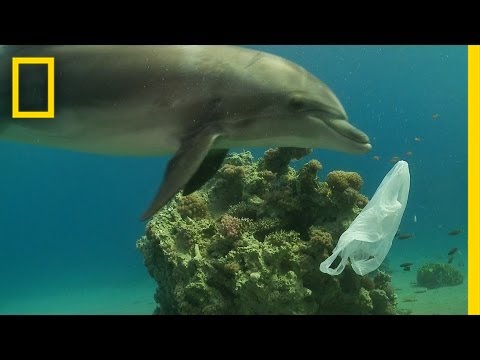
So, the other day, I was at the beach, right? Just chilling, soaking up some sun. Suddenly, I see this plastic bag floating by like it’s some kind of jellyfish. I mean, seriously? Who thought a plastic bag could ruin my beach vibes?
And it got me thinking – that bag has traveled a long way to end up there. Plastic is everywhere, and it’s kinda wild how something we use for just a few minutes can stick around for hundreds of years.
But here’s the kicker: those bags aren’t just ugly; they’re causing serious problems for our planet. Like, we’re talking about marine life getting tangled up or mistaking them for food!
So yeah, let’s chat about plastic bag pollution and what it means for our planet. It’s a bit of a bummer but also super important to know!
Exploring Plastic Bag Pollution: Ecological Consequences and Solutions in Environmental Science
So, let’s talk about plastic bag pollution. You know those thin, crinkly bags you get at the grocery store? Yeah, those guys are causing a major mess for our planet. They might seem harmless, but the ecological consequences are pretty serious.
First off, plastic bags take ages to break down. Seriously, they can linger in the environment for hundreds of years. Like, imagine a bag just hanging around longer than your great-grandma! When they finally do break down, they don’t disappear completely. Instead, they break into tiny pieces called microplastics that are super hard to clean up.
Now let’s get to the animals. Picture this: a turtle mistaking a plastic bag for a jellyfish and gobbling it up. Sounds sad, right? That sort of thing happens all the time. Animals can choke on these bags or suffer severe injuries. Plus, they can get trapped in them. If you think about it for a second, it’s easy to see how this plastic mess disrupts entire ecosystems.
And it’s not just wildlife that’s affected—us humans are in the mix too! Microplastics can end up in our food and water supply as they work their way through the food chain. Like yikes! Who wants to chew on bits of plastic? No one I know!
But here’s where it gets interesting: there are solutions out there. Some places have actually started banning plastic bags altogether or charging people for using them. This gives folks some incentive to bring their own reusable bags instead. Reusable bags are not only eco-friendly, but they also save money in the long run.
Education plays a huge role too! Teaching kids about recycling and reducing waste can be super effective. If we raise awareness early on, perhaps future generations will think twice before grabbing that single-use plastic bag.
So yeah, tackling plastic bag pollution calls for teamwork—governments, individuals, and organizations all need to pitch in together. And each small action counts! So next time you’re out shopping and reach for that flimsy bag, think about what you’re really choosing—and maybe pick something a bit better for Mother Earth instead!
Exploring the Scientific Impact of Plastic Bags: 10 Harmful Effects on Our Environment and Health
So, let’s chat about plastic bags for a second. You know those handy little things we grab at the store? Yeah, they’re super convenient, but they come with a pretty heavy price tag for our planet and even our health. It’s wild how something so common can be so destructive.
1. Wildlife Hazards
Animals often mistake plastic bags for food. Like sea turtles thinking they’re jellyfish. This can lead to choking or internal injuries that can be fatal. I once saw a video of a turtle struggling with a plastic straw stuck in its nose, and honestly, it broke my heart.
2. Landfill Overflow
Plastic bags take an eternity to decompose—around 500 years! That’s right, your great-great-grandkids might still see these bags hanging around in landfills. They just pile up and take up space we could use for something better.
3. Soil Contamination
When plastic breaks down, it releases harmful chemicals into the soil. These toxins can mess with the nutrients plants need to grow and can even seep into our food supply through crops. Imagine biting into an apple that has traces of plastic in it—yikes!
4. Water Pollution
Plastic bags often make their way into our oceans and rivers, causing massive pollution problems. They break down into tiny pieces called microplastics that are nearly impossible to clean up and get eaten by fish and other marine life—making their way back up the food chain.
5. Climate Change Contribution
Producing plastic bags involves fossil fuels which means more carbon emissions entering the atmosphere, contributing to climate change. Each bag we use adds a little more fuel to the fire—literally!
6. Human Health Risks
Some chemicals from plastics are linked to serious health issues like hormone disruption or even cancer when they leach into our food or drinks stored in them over time—a scary thought!
7. Economic Costs
Cleaning up plastic pollution costs countries billions every year! From cleaning beaches to recycling efforts that don’t really pan out—it’s like throwing money down the drain when we could invest in greener solutions.
8. Loss of Biodiversity
As habitats get polluted with plastics, many species face extinction due to loss of shelter or food options turning scarce—all because of those pesky bags.
9. Aesthetic Damage
Plastic bag litter is everywhere! It ruins beautiful landscapes and beaches; I mean who wants their vacation spot spoiled by floating garbage?
10. Recycling Challenges
Recycling isn’t as straightforward as it sounds when it comes to plastic bags—they often jam machines at recycling facilities, making them more trouble than they’re worth for waste management systems.
Basically, while grabbing a plastic bag seems innocuous enough at first glance, its hidden costs run deep into our environment and health issues too! We could definitely do without them or find some greener alternatives because we’ve got just one planet here—you know?
Unveiling the Science: 5 Harmful Effects of Plastic Bags on Ecosystems and Human Health
So, let’s chat about plastic bags. You know, those handy little things we all use to carry groceries or pick up random stuff? They might seem super convenient, but they’re kind of a nightmare for our planet and even for us. Here’s why you should pay attention.
1. Wildlife Hazard
Plastic bags often end up in our oceans and forests. Animals can mistake them for food. Think about turtles confusing a floating plastic bag for a jellyfish—sad, right? This can lead to choking or internal injuries. Birds often get entangled in these bags too, which can be deadly.
2. Soil Contamination
When plastic bags break down, they don’t just disappear; they break into tiny particles called microplastics. These little guys are bad news for soil health because they can be absorbed by plants. If crops take up these particles, guess who ends up eating them? Yep, us.
3. Water Pollution
Plastic bags can block waterways when they pile up, causing floods in some areas. The thing is that when rainwater flows over plastic waste, it leaches harmful chemicals into the water system. This pollutes rivers and lakes where wildlife lives and people drink water from.
4. Air Quality Issues
Burning plastic bags to dispose of them is not the answer either! When incinerated, they release toxic compounds into the air—like dioxins—which are linked to serious health issues like cancer and respiratory problems.
5. Resource Drain
Making plastic bags requires a lot of fossil fuels and energy. The production process contributes to greenhouse gas emissions which leads to climate change—a problem affecting everyone on the planet in some way.
So yeah, those little plastic bags might seem harmless at first glance, but really they’re causing a ton of trouble for our ecosystems and our health as well! And just thinking about the grandeur of nature getting impacted by something so simple hits home—you feel me? Let’s think twice before grabbing one next time!
So, plastic bags, huh? They seem harmless at first glance, right? Just a handy way to carry your groceries or whatever. But man, do they have an ugly side! Picture this: you’re walking along a beautiful beach, the sun is shining, waves are crashing, and then—bam!—there’s a plastic bag caught in the sand. It’s like a mood killer, you know?
I’ve had moments like that where I really felt the impact. A few summers ago, I went on a beach cleanup with some friends. We were all pumped to make a difference and enjoy the sun. But instead of shells and starfish, we found tons of plastic bags tangled up in seaweed and stuck in rocks. It was depressing to see how something so seemingly innocent could wreck natural beauty.
The deal with plastic bags is that they don’t just disappear after you toss them out. They hang around for ages—like thousands of years kind of ages! It’s wild how something we use for 15 minutes can stick around for centuries. They break down into tiny pieces called microplastics that can end up in our food chain. Yup, fish might munch on these bits thinking it’s food, and then we end up eating the fish! And let’s not even get started on how these bags choke wildlife.
You might think it’s just one bag here or there—to be honest, it feels really insignificant sometimes. But if everyone thought that way… well, you see where I’m going with this? The cumulative effect is pretty staggering. When you throw your empty fast-food wrappers out your window or take that disposable bag at the store without a second thought, it adds up.
It’s honestly frustrating because solutions are out there! Like those cool reusable bags that fold up tiny when you’re not using them. I’ve got one or two tucked away in my backpack at all times now. It’s about changing our habits—not only for ourselves but for our planet too.
So yeah, every little choice counts when it comes to tackling this plastic bag mess. Next time you’re at the store or heading to the beach, think about it: what kind of mark do you want to leave behind?