Did you know wild boars can run up to 30 miles per hour? Seriously, that’s faster than most of us could sprint on our best day! I once went hiking in a forest and came across a sign warning about them. My heart raced way more than when I spotted actual bears!
But, like, what’s the deal with boar anatomy? I mean, these hairy beasts are so much more than just muscle and tusks. They play some wild roles in their ecosystems that totally impact other animals and plants.
So, let’s chat about what makes these guys tick—anatomically and ecologically! You might just find yourself looking at them in a whole new way next time you’re out in the woods.
The Ecological Role of Wild Boars: Analyzing Their Impact on Ecosystem Dynamics
Wild boars are, like, super interesting creatures. These animals play a crucial part in their ecosystems, and their effects on the environment are quite significant. You could think of them as nature’s little gardeners, but with a much wilder vibe!
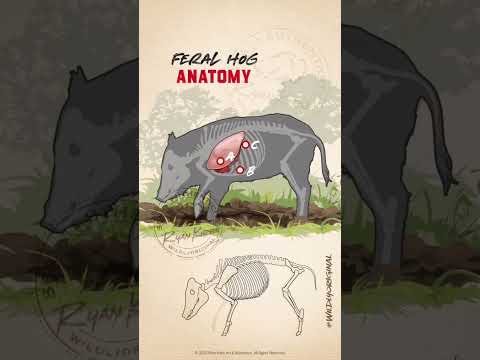
First off, let’s talk about their anatomy. Wild boars have strong bodies covered in coarse hair, with a large head and powerful jaws. Their snouts are specially designed for rooting around in the soil. They dig up roots, bulbs, and insects while searching for food. This behavior isn’t just about getting a meal—it’s vital for the ecosystem.
When they uproot plants and disturb the soil, it creates openings for new plants to grow. In fact, many seeds benefit from being buried a little before they sprout. So you see? Their foraging helps increase biodiversity. More plants lead to more animals coming into an area because they provide food and shelter.
Another intriguing aspect is how they affect nutrient cycling. By digging into the ground, wild boars aerate the soil. This process allows air to reach plant roots better and can help with water absorption too. When they rummage through dead vegetation or organic matter looking for food, they also help break down that material faster. This decomposition is like giving the forest its own fertilizer!
Now let’s talk about competition and predation dynamics in ecosystems where wild boars roam. When these animals munch on fruits or crops from other species, it competes with other herbivores for food resources. But sometimes less common species’ seeds spread after being eaten by wild boars—yes! They act as unintentional seed dispersers as well! So it’s kind of like a double-edged sword.
Also worth mentioning is their role as prey within the food web; animals like wolves or large birds of prey hunt them when possible—the circle of life at play here! It’s interesting to note how humans have influenced their populations too—through hunting or habitat changes—and how that has ripple effects on entire ecosystems.
In urban settings or places with lots of people around, wild boars can sometimes become a nuisance—like raiding gardens or causing traffic accidents—but it’s important to remember they’re just doing what comes naturally to them!
To sum things up: wild boars aren’t just random forest creatures—they’re essential players in ecosystem dynamics through their digging habits and feeding behaviors which contribute to biodiversity growth and nutrient cycling among many others attributes that help balance nature’s complex systems.
So next time you hear about wild boars causing some ruckus somewhere, think about all those fascinating roles they’re playing behind the scenes in our ecosystems! Isn’t nature just full of surprises?
Understanding the Reproductive System Functions in Boars: Insights from Veterinary Science
When it comes to understanding the reproductive system in boars, or male pigs, there’s quite a bit to unpack, and it’s super interesting! First off, let’s talk about their basic anatomy. The reproductive system is not just about making baby pigs; it plays a big role in the overall health of the animal and its ecosystem.
The **boar’s reproductive organs** include the testes, which are responsible for producing sperm and hormones like testosterone. Sperm production happens in small coiled tubes called seminiferous tubules within the testes. Basically, these little guys are like factories that work hard to ensure there’s plenty of sperm available for breeding.
So what about their mating process? Well, boars have a unique way of attracting females. They make loud grunting sounds and display various behaviors to show off their strength and readiness to mate. It’s kind of like an elaborate dance that signals they’re up for some serious business!
Another key part is the **penis**. Believe it or not, a boar’s penis has a corkscrew shape! This design helps them lock into place during mating with sows (female pigs), ensuring successful reproduction. It’s nature’s clever engineering at work.
Now, let’s touch on the protective aspects of their reproductive system. In addition to producing sperm, the boar’s body also creates various fluids that help protect sperm as it travels through the female’s reproductive tract. These fluids provide nutrients and create a comfortable environment for those little swimmers.
You might be curious about how this ties into ecology? Well, think about this: when boars reproduce successfully, they contribute to maintaining healthy pig populations in their habitats. That ensures genetic diversity which is essential for resilience against diseases and environmental changes.
It’s also worth noting how veterinary science steps in when there are issues with reproduction in boars. Veterinarians can perform tests on semen quality or evaluate hormone levels if there are concerns about fertility. This way, farmers can take action early on if something seems off.
In summary, understanding how boars function reproductively gives us insights into not only animal husbandry but also ecological balance as a whole. Their role in maintaining healthy populations is crucial for ecosystems where they live—sort of like how bees help plants grow by pollination!
To wrap everything up nicely:
- Testes: Produce sperm and hormones.
- Mating behavior: Loud grunting and displays.
- Corkscrew penis: Design helps with successful mating.
- Semen protection: Fluids nourish and safeguard sperm.
- Veterinary science: Ensures reproductive health through testing.
So yeah—boars might look like just another farm animal, but they have an important story to tell about life cycles and ecosystems!
The Ecological Role of Wild Boars: Insights from Wildlife Science
Wild boars might look a bit gruff with their bristly fur and tusks, but they play a huge role in the ecosystems they inhabit. Let’s break down why these animals are like the unsung heroes of nature and how their anatomy contributes to their ecological role.
First off, wild boars are omnivores, which means they eat just about anything. Their diet includes roots, tubers, fruits, seeds, and even small animals. This diverse diet helps in seed dispersal. When they munch on fruits or nuts, they often carry seeds away from the parent plant. Later, when they poop (yep, let’s get real), those seeds can sprout in new locations. This behavior promotes plant diversity and helps forests or grasslands thrive.
Their strong snouts are another key feature. Boars use them to root around in the ground for food. This digging has a big impact on soil health! It turns over the soil and aerates it. Basically, it allows nutrients to get mixed up better and makes it easier for plants to grow. You see? They’re kind of like nature’s mini-tillers.
- Biodiversity Boost: By digging up soil and dropping seeds everywhere they go, wild boars create favorable conditions for various plant species to flourish.
- Nutrient Cycling: Their foraging habits help break down organic matter, aiding in nutrient cycling within the ecosystem.
- Ecosystem Engineers: Boars modify their habitats, making them an essential part of local ecosystems.
You know what’s interesting? In areas where boar populations have been reduced or removed altogether, researchers have found declines in plant diversity! It just shows how interconnected everything is—these creatures are pivotal players in maintaining healthy environments.
An anecdote that comes to mind is from a study I read about a forest where volunteers planted trees but noticed poor growth rates over time. Turns out, wild boars had previously roamed freely through this area, helping with seed dispersion and soil aeration! Once they were gone due to hunting pressures—poof—so was the forest’s health!
In conclusion (not that I’m wrapping this up just yet!), wild boars’ anatomy not only supports their survival but also allows them to contribute significantly to ecological balance. From nutrient cycling to seed dispersal and habitat alteration—they’re doing some serious environmental work with those big snouts and strong bodies!
So next time you hear about wild boars being pests or troublemakers, remember: these animals help shape the very ecosystems we depend on!
So, let’s chat about boar anatomy and why these creatures are pretty cool when it comes to the whole ecosystem thing. You know, I’ve always found wild boars fascinating. I remember a time in the woods, where I stumbled upon a group of them digging around in the dirt. It’s like they were having their own little buffet. And honestly, seeing those tusks and that sturdy frame—they’re just built for business.
Now, first off, let’s break down what makes boars so unique. Those tusks? They’re not just for show. They use them to root through soil and underbrush, unearthing all sorts of tasty treats: tubers, roots, even little critters if they get lucky! This rooting helps aerate the soil—kind of like nature’s mini bulldozers. With their snouts digging up the earth, they create space for new plants to grow while also spreading seeds around. Isn’t that neat? You could say they’re nature’s gardeners in a way!
But here’s where it gets interesting—their anatomy isn’t just about eating and digging. Their digestive systems are also super efficient at breaking down tough plant materials. So when they munch away on those fibrous roots or stems, they’re recycling nutrients back into the soil through their waste. It’s like they’re handing out free fertilizer with every… well, you know, deposit they make!
And then there’s their thick skin and body structure designed for survival—those powerful legs allow them to move quickly through various terrains while avoiding predators. This adaptability means they can thrive in different environments—forests, marshes—you name it! Actually reminds me how my uncle used to compare them to tanks; he was right in how tough they are.
But let’s not forget about their role as prey too! Boars are part of a bigger picture in ecological systems; they’re food for larger predators like wolves or bears. So when you think about it this way—a balance is struck between species based on who eats whom.
So basically, wild boars might seem like just big furry animals tearing up forests but they’re playing crucial roles behind the scenes as ecosystem facilitators—helping with plant growth and nutrient cycles while supporting predator populations too! When I left that boar sighting years ago, it hit me how interconnected everything is; each creature has its purpose linking together in this beautiful web of life.
It kind of makes you appreciate nature a bit more when you realize how even the smallest actions by such creatures can ripple out into broader impacts across ecosystems!