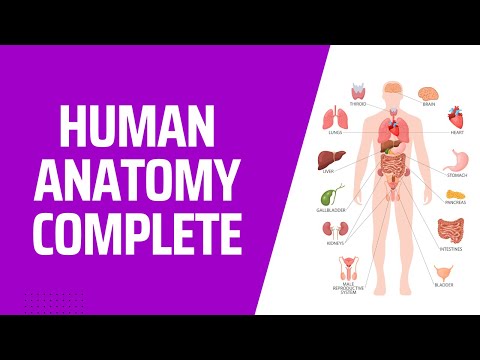
So, you know how sometimes you just sit there and think, what’s my body doing right now? Like, is my stomach digesting that leftover pizza? Or why am I suddenly so sleepy after lunch?
Seriously, it’s wild to think about. Our bodies are these amazing machines! They’re built from countless parts, all working together like a super intricate dance.
Imagine being a tiny explorer inside yourself, witnessing every little movement and reaction. Sounds kinda fun, right? It’s like a science fair project but on a way bigger scale!
In this journey through human body anatomy, we’ll tackle the funky systems that keep you ticking. We’ll laugh at some quirks and marvel at how everything plays its part. Ready to explore? Let’s go!
Exploring the Human Body: A Complex System Within Biological Science
The human body is like this super intricate machine, right? It’s a wild mix of systems that work together, and if you think about it, it’s just mind-blowing how it all fits together. Seriously, every part has its role to play.
Let’s break it down a bit. There are several major systems in the body that are essential for everything we do.
- The Circulatory System: This is how your blood travels all around your body. Imagine the heart as the engine, pumping blood through a network of vessels. Oxygen gets delivered to your organs while carbon dioxide is picked up to be expelled. It’s like a two-way street!
- The Nervous System: This one’s like the body’s control center. It sends messages back and forth between the brain and the rest of your body. Ever felt your hand touch something hot? That sharp pain you feel is your nervous system working super fast to make you pull away.
- The Digestive System: Think of this as the body’s food processor. It breaks down what you eat into tiny bits that can be absorbed by your cells. When you eat a delicious burger, enzymes start breaking it down right in your mouth and keep working their magic throughout the digestive tract.
- The Respiratory System: We breathe in oxygen from the air around us, and this system helps get oxygen into our lungs so we can use it for energy. The cool part? All that carbon dioxide we breathe out comes from our cells after they’ve used up that oxygen!
- The Musculoskeletal System: This is where bones and muscles come together, allowing movement and providing structure to our bodies. Without bones acting as levers and joints as pivots, we’d basically be jelly.
Now here’s where it gets even more interesting: these systems don’t work alone! They constantly interact with each other in ways that might blow your mind.
For instance, when you run (let’s say you’re late for an event!), your muscles need extra energy. So, your circulatory system kicks into gear to pump more oxygen-rich blood to them while also removing waste products like lactic acid—super important because you definitely want those legs feeling good!
And here’s something relatable: have you ever felt butterflies in your stomach when you’re nervous? That’s actually a combo of signals from both the nervous and digestive systems letting you know something’s up—it’s all connected!
So yeah, our bodies are complex but amazing systems working seamlessly (most of the time). Each part corresponds with every other part—and that’s what keeps us ticking! It’s kind of like being part of one giant orchestra where each instrument plays its role beautifully together, creating an incredible symphony known as life!
Exploring the Hardest Point on the Human Body: A Scientific Perspective
Sure, let’s chat about the hardest point on the human body from a scientific angle, shall we? So, when we talk about “hardness,” what usually pops up in our minds is bone. Bones are pretty much the framework of our body, keeping everything in place and protecting our organs. But not all bones are created equal!
One of the hardest parts is actually the **tooth enamel**, which covers your teeth. Crazy, right? People don’t often think about it this way, but enamel is even tougher than bones! It’s primarily made up of minerals like **hydroxyapatite**—a type of calcium phosphate—that give it that super strong quality.
You might be thinking: “Okay, but what does that really mean?” Well, basically, tooth enamel can withstand quite a bit of pressure. Think about all those times you’ve bitten into an apple or chomped on ice—your tooth enamel has got your back (or rather, your mouth)!
Now let’s break it down a bit further:
- Strength: Enamel can resist scratches and damage better than other tissues in the body.
- Thickness: It varies; some people have thicker enamel than others. Like, did you know that genetics play a role here?
- Cavity risk: Despite being tough, it’s still vulnerable to decay if not cared for properly. Sugar and bacteria don’t do it any favors.
And speaking of cavities—the irony isn’t lost on me that something so strong can get messed up by snacks we love. I remember one time I went to get a routine cleaning and found out I had my first cavity at 32! Talk about feeling like a kid again! But that’s life; sometimes things happen with our bodies that make us shake our heads.
Anyway, back to dental health! Taking care of your enamel is super important because once it’s gone… well, there’s not much anyone can do to replace it fully. You can remineralize it somewhat with products like fluoride toothpaste or even special treatments from dentists—but prevention is key!
So while you might think bones are the toughest part of us (and they definitely deserve some respect), tooth enamel holds its own title in this little competition for hardness in the human body. It’s small but mighty for sure! Just remember to give those pearly whites some love every day; they’re tougher than they look but not invincible!
And there you have it—a light dive into one of the hardest points on our amazing human bodies. Keep learning and caring for yourself; every bit counts!
Exploring Human Body Anatomy: A Comprehensive PDF Guide to Its Complex Systems
The human body is like a super advanced machine, a collection of systems that work together to keep us alive and functioning. Each part has its own unique role, and they all connect in mind-boggling ways. Let’s break down some of those complex systems, shall we?
The Skeletal System is your body’s framework. It’s made up of bones, joints, and cartilage. Think of bones as the sturdy scaffolding that supports you. You’ve got about 206 bones in an adult body! They protect vital organs and help you move around. Ever tried to run without a skeleton? Yeah, not happening.
Next up is the Muscular System. This system works hand-in-hand with the skeletal one to enable movement. You use three types of muscles: skeletal (those you can control), smooth (found in places like your stomach), and cardiac (the heart). When you decide to lift your arm, it’s those skeletal muscles doing the work, responding to signals from your brain.
Now let’s talk about the Nervous System. It’s basically your body’s communication network. The brain sends messages through nerves to different parts of your body at lightning speed! Just think about how fast you react when something surprises you; that’s all thanks to this system.
Then we have the Circulatory System. Imagine it as a delivery service for oxygen and nutrients! The heart pumps blood through vessels to various parts of the body while also picking up waste products for removal. It keeps everything running smoothly by ensuring all cells get what they need.
The Respiratory System works closely with the circulatory system too! It brings oxygen into your body and gets rid of carbon dioxide—basically letting you breathe easy after running up those stairs… or was that just me? When you take a deep breath, your lungs expand and fill up with air; it’s pretty cool how that whole process works.
Don’t forget about the Digestive System. This one breaks down food into nutrients which fuel every other system in your body. From chewing that sandwich to absorbing vitamins in tiny intestines, every step counts! And trust me, if something goes wrong here, you’ll definitely notice it!
Last but not least is the Endocrine System. It might be less obvious than others but it plays such an important role by releasing hormones into your bloodstream. Hormones are like little messengers sending signals throughout the body—whether it’s telling you when you’re hungry or regulating stress levels.
It’d be impossible for these systems to function independently; they rely on each other like a well-oiled machine. A small hiccup in one can lead to issues elsewhere – basically showing how well interconnected we really are!
In exploring human anatomy, it becomes evident just how incredible our bodies are! They are complex yet beautifully designed systems working together seamlessly every day without us even giving it much thought. So next time you’re feeling amazed by what our bodies do, remember there’s so much more behind each action than meets the eye!
The human body is like a super intricate machine, right? I mean, when you peel back the layers and really look at how it all works together, it’s kind of mind-blowing! You’ve got muscles flexing, organs doing their thing, and the nervous system buzzing around like a busy city. Anyway, I remember this time in high school when we had to dissect a frog for biology class. It was both disgusting and amazing. One second you’re holding a slimy little creature, and the next you see all these colorful organs working in harmony. That’s when I realized just how cool our own bodies really are.
So let’s chat about anatomy for a sec. Picture the circulatory system as this vast highway network. Blood races through arteries like cars during rush hour, delivering oxygen to every corner of your body while picking up waste to be filtered out later. It’s like your own personal delivery service! And speaking of delivery services, think about your respiratory system—the lungs act like big balloons that inflate and deflate with every breath you take. Breathing feels so mundane until you realize that with each inhale, you’re filling your body with life-giving oxygen. Crazy stuff!
And then there’s the muscular system—those muscles are not just there for show! They’re constantly adapting and growing stronger as you move or even just sit down on the couch after a long day. Muscles contract and relax in response to signals from your brain through the nervous system. So really, everything is connected. When one part moves or doesn’t work quite right (like when you stub your toe), it affects everything else—you know what I mean?
Then let’s not forget about our digestive system! If you’ve ever had a really good meal that left you feeling stuffed (maybe pizza night?), then you know how well those organs play their roles—from chewing to digestion to absorption—it all happens seamlessly most times without you even thinking about it.
It’s wild how intricate these systems are and yet they work together flawlessly most of the time! So next time something seems small or trivial about your health or biology—like a sneeze or an ache—take a moment to appreciate that amazing machine you call your body. It’s truly an astounding journey through complexity, don’t you think?