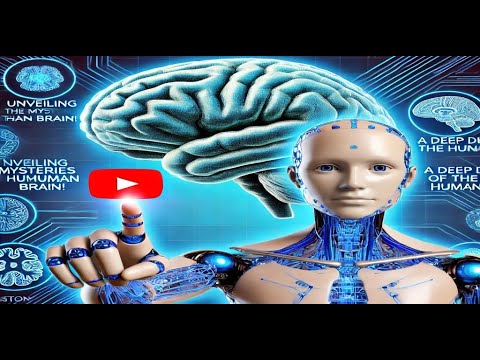
You know that feeling when you walk into a room and totally forget why you went there? Yeah, that’s your brain playing tricks on you!
But seriously, the human brain is like this super complex, wild machine. It’s not just a squishy blob tucked away in your skull; it’s a bustling hub of activity.
Imagine this: over 86 billion neurons firing away, making connections faster than you can say “what’s for dinner?” Crazy, right?
And here’s the kicker – scientists are still figuring it all out. Each twist and turn in our brains holds secrets about who we are and how we think.
So let’s take a little journey together into the mind’s architecture. You’re gonna want to stick around for this one!
Exploring the Intricacies of Human Brain Anatomy: A Comprehensive PDF Guide
The human brain is one of the most complex structures you could ever imagine. Seriously, it’s like the ultimate puzzle! So, let’s unpack some of its intricacies and talk about what makes this organ so fascinating.
First off, the basics: The brain weighs around 3 pounds and is made up of about 75% water. It’s like a big, squishy sponge sitting in your skull! It consists of several key parts, each with unique functions.
- Cerebrum: This is the largest part of your brain. It’s divided into two hemispheres (the left and right) and plays a major role in thinking, learning, and movement. Picture it as the CEO of your body!
- Cerebellum: Located at the back below the cerebrum, it looks kind of like a mini-brain. This guy helps with balance and coordination. Ever tried to ride a bike? Thank your cerebellum for keeping you upright!
- Brain Stem: Connecting the brain to the spinal cord, it controls essential functions like breathing and heart rate. You can think of it as your body’s autopilot—it runs things while you focus on other stuff.
A little emotional story here: my friend once told me how she lost her grandmother to Alzheimer’s disease. It was hard for her watching someone she loved struggle with memory loss. This really shows just how crucial our brain functions are—like memories are not just moments; they’re part of what makes us who we are.
Now let’s talk a bit about brain cells. Your brain contains billions of them! There are two main types: neurons (the messengers) and glial cells (support staff). Neurons send signals all around your brain and body; they help you feel pain or joy or even decide what ice cream flavor to choose! Glial cells keep everything running smoothly by providing support and nutrients.
- Neurons: These guys communicate through electrical impulses called action potentials. They talk to each other at connections called synapses, which basically act as tiny bridges.
- Glial Cells: They’re not just backup dancers; these cells maintain homeostasis, which means they help keep everything balanced—like trying to keep peace in a wild family reunion!
You might find it surprising that even though our brains contain about 86 billion neurons, we still don’t know every single thing about them! There’s always more to learn; neuroscience is still growing like a teenager!
If you’re into taking notes or want something visual to look at later, think about finding diagrams online that show these parts in detail—like maps for this magnificent maze inside our heads.
The cool thing? Despite all its complexity, your brain is highly adaptable—it can change based on experiences—a phenomenon called neuroplasticity. That means if you learn something new or even pick up an instrument after years of not playing one, your brain can rewire itself to make that happen! Isn’t that magical?
The human brain isn’t just an organ; it’s almost like an intricate city full of bustling streets (neurons), parks (gray matter), skyscrapers (structures), and pathways connecting them all (white matter). Each day brings new challenges for researchers exploring its wonders—and who knows what we will uncover next?
Your brain tells stories through memories and helps solve problems daily; it’s worth treating it well because it’s literally where all the action happens!
Understanding Brain Complexity: A Scientific Exploration of Neural Networks and Cognitive Function
The brain is like the universe, incredibly vast and complex. Seriously, it’s packed with about 86 billion neurons. That’s more than the stars in our galaxy! Each neuron is a tiny messenger, connected to thousands of others, creating intricate networks. These connections are what help us think, feel, and remember.
Now, when we talk about neural networks, we’re diving into how these neurons communicate. You know, it’s kind of like texting your friends but on a massive scale. Neurons send messages through electrical impulses and chemical signals. It’s like they’re having their own conversations that lead to everything we do—like deciding what to have for lunch or recalling a fond memory from childhood.
You might be wondering why this communication is so important. Well, a strong network means better cognitive function. Think about it: when you practice something repeatedly—like riding a bike or playing an instrument—your brain strengthens those pathways. It’s like building a highway for messages to zoom across quickly!
Also, did you know that neuroplasticity plays a huge role here? This fancy term describes how our brains can reorganize themselves by forming new connections throughout life. So if you learn a new skill or recover from an injury, your brain adapts and changes that way! Isn’t that something?
But hold on; it gets even wilder! Our brains are not just static blobs of tissue; they’re dynamic and ever-changing systems influenced by our experiences and even our environment! Stress can alter how these neural networks work because stress hormones affect communication between neurons. So yeah, feeling overwhelmed can impact your thinking skills.
And speaking of feelings—our emotions tie into cognition too! There are specific parts of the brain responsible for emotions while others handle logical thinking. The amygdala deals with fear and pleasure responses while the prefrontal cortex is all about reasoning and decision-making. It’s like having different teams tackling various tasks—but they all need to communicate well to work together effectively.
You’ve probably heard about memory being divided into types too: short-term vs long-term memory. Short-term is like the sticky note you use for reminders—it holds information temporarily before you decide whether to keep it or toss it away! Long-term memory is where those cherished memories live forever; it’s stored in various locations across the brain.
Sometimes we also get tangled up in myths about the brain’s limits (like using only 10%). Nope! We utilize many regions simultaneously depending on what we’re doing at any moment.
In summary, understanding brain complexity boils down to recognizing how these neural networks interact with each other while shaping our cognitive functions throughout life’s journey—from learning to making decisions based on emotions—the whole deal! Embracing its complexities helps us appreciate not just ourselves but also each other as uniquely wired individuals navigating this world together.
So there you have it! A peek inside one of nature’s most intricate machines: our amazing brains!
Exploring the Brain: Detailed Map and Functions of Key Neuroanatomical Structures
The human brain is like the ultimate control center of your body. It’s packed with super cool structures that work together to help you think, feel, and move. Seriously, it’s a big deal. So, let’s break down some of the key neuroanatomical structures and what they do without getting too bogged down in the details.
The Cerebrum is the largest part of the brain. It’s divided into two halves, or hemispheres, and it’s where most of your thinking happens. Each hemisphere has four main lobes:
- The Frontal Lobe: This part is all about decision-making, problem-solving, and controlling your emotions. Imagine it as your brain’s CEO!
- The Parietal Lobe: This section helps you process touch and taste. Think about how you feel when you pick up a hot cup of coffee—it’s all thanks to this lobe.
- The Temporal Lobe: Here’s where things get musical! It handles hearing and helps with understanding language.
- The Occipital Lobe: This area is like your visual processing unit. It’s responsible for interpreting everything you see.
Now moving on to The Cerebellum. It’s located at the back of your brain and is a bit smaller than the cerebrum. But don’t let its size fool you! It plays a huge role in coordination and balance. Ever try to juggle? You can thank your cerebellum for helping you keep those balls in the air!
Then we have The Brainstem, which sits at the base of your brain where it connects to your spinal cord. The thing about the brainstem is that it controls many automatic functions like breathing and heart rate—stuff you don’t even think about doing!
Let’s not forget about The Limbic System. This system involves several structures working together, including the amygdala and hippocampus. The amygdala deals with emotions like fear and pleasure—it’s kind of like an emotional alarm system! On the other hand, the hippocampus is essential for memory formation. Picture this: without it, remembering your best friend’s birthday would be a real challenge!
Finally, there are specialized cells called neurons that make everything happen in these structures. They communicate through tiny electrical signals—a real team effort! And all these connections create a complex network that allows us to learn new things and adapt to our environment.
So next time you’re pondering life’s big questions or just trying to remember where you left your keys, think about all these intricate parts working harmoniously inside your head! Each section has its unique role; they’re all collaborators in making sure we function day-to-day—pretty impressive if you ask me!
You know, the human brain is just mind-blowing—no pun intended! It’s like this intricate web of connections, all firing away and working together to make us who we are. Seriously, just thinking about it gives me the chills sometimes.
I remember when I took a tour at a neuroscience lab back in college. The researcher was talking about how your brain has about 86 billion neurons. That’s like a whole city of tiny messengers! Each neuron can connect with thousands of others, creating these amazing networks. It really hit me then how much we underestimate our own minds. You know?
So, let’s break it down a bit. Imagine your brain as an incredibly detailed city map, with highways (that’s the neurons) snaking around various neighborhoods (different regions and functions). When you learn something new or have an experience, it’s like adding new roads or even buildings to that city! And those connections can strengthen or fade over time—just like friendships!
What’s cool is that different parts of the brain are responsible for different things: memory, emotion, movement…you name it. The structure allows all these processes to flow together seamlessly—like a symphony orchestra where each instrument plays its part but also works in harmony with others.
But hey, despite all this complexity, brains can be pretty mysterious still. Sometimes I wonder how those little electric signals translate into thoughts and feelings—the whole consciousness thing is still up for debate! Scientists are piecing it together bit by bit, but there’s so much left to learn.
So yeah, when you think about your own experiences and thoughts swirling around in that noggin of yours, just remember there’s an entire universe happening up there! And every time you smile at a friend or get lost in a good book? That’s your brain doing its thing—building those connections and shaping who you are as a person. Pretty wild stuff!