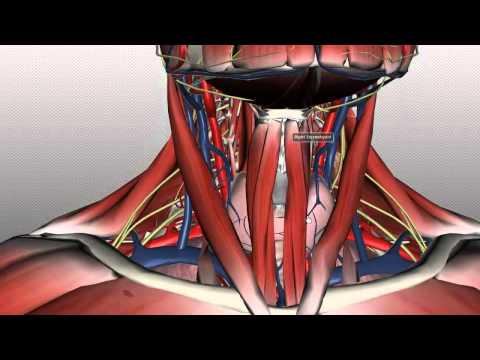
You know what’s funny? We spend so much time thinking about our abs or biceps, but have you ever stopped to appreciate your neck muscles? Seriously! These little guys do a ton of heavy lifting, like holding up that big ol’ head of yours.
Imagine this: you’re sitting there, scrolling through your phone, and suddenly you get that weird crick in your neck. Ouch! All your neck muscles just shouted “hold up!”
The thing is, our neck’s got a pretty complex setup. It’s not just one muscle — it’s like a little orchestra playing in harmony to keep us upright and turning our heads. Wild, right? Let’s just say, there’s more going on than meets the eye when it comes to those muscles that help you nod yes or shake no!
Exploring the Complex Anatomy of Neck Muscles: Insights into Human Physiology and Brain Function
So, the neck muscles. They might seem like a small part of our bodies, but seriously, they play a huge role in how we function every day. You know that feeling when you turn your head to check for traffic? Yeah, that’s all thanks to these muscles working their magic.
The Neck’s Muscle Composition
The neck is home to over 20 muscles. Crazy, right? Each muscle has its own unique function. Some are responsible for moving your head up and down, while others help with side-to-side movements. It’s like a little orchestra in there.
- Sternocleidomastoid: This big muscle runs down the side of your neck and is super important for rotating and flexing your head.
- Trapezius: You’ve probably heard of this one! It starts at the back of your skull and stretches down to your middle back, helping to elevate and rotate the shoulder blade.
- Scalenes: These three muscles are found on the sides of your neck and assist with breathing by lifting the first couple of ribs.
These muscles aren’t just about movement; they also support our **posture**. When you sit at a computer for too long or hunch over your phone (we’ve all been there), it can lead to tension and pain in these areas. Which makes sense, because if you’re not caring for those muscles, they can really get cranky!
Brain Function Connection
Now here’s where it gets really interesting: those neck muscles have a bit of a backstage pass when it comes to communication with the brain. They provide sensory feedback that helps our brain understand where our head is positioned. It’s crucial for maintaining balance.
Think about it: when you’re playing sports or dancing (or just trying not to trip), having that neck muscle feedback allows you to adjust quickly. A miscommunication here could lead you tumbling down—and nobody wants that!
Also, all those little nerves running through your neck connect to areas in the brain responsible for processing movement and sensation. It’s like one big highway up there!
The Effects of Strain
Improper posture or strain from lifting things incorrectly can get messy fast! Neck strain can lead to headaches or even impact other parts of our body due to compensation patterns—think about how you might change how you walk if you’re trying to avoid neck pain.
Just picture this: you wake up with a stiff neck because you’ve slept in an awkward position. Suddenly, that stiffness affects how you hold yourself throughout the day. Your shoulders roll forward more than usual, which then leads to back pain too! It’s kind of wild how interconnected everything is.
To put it plainly: taking care of your neck isn’t just about stretching out tight muscles; it’s about keeping everything else functioning smoothly as well.
So next time you give your neck some love—like stretching or using heat packs—remember what’s going on behind the scenes! Your body will thank you later by keeping things aligned and functioning well.
Exploring the Anatomy and Function of the Sternocleidomastoid Muscle in Human Physiology
The sternocleidomastoid muscle, or SCM for short, is one of those muscles that plays a super vital role in how we move our heads and necks. You might not think much about it, but it’s like the unsung hero of your neck anatomy! Seriously, if you’ve ever turned your head to check for traffic or glanced at your phone while lying down, this guy is doing some heavy lifting.
Now, let’s break down where this muscle comes from. The SCM has two main attachment points: it originates from the **manubrium**, which is the top part of your sternum (that’s the bone in the middle of your chest), and also from the **clavicle**, aka your collarbone. From there, it runs all the way up to attach at the **mastoid process** behind your ear. If you feel around there, you’ll find a bumpy area—yep, that’s where this muscle hooks in!
You might be wondering what it actually does. Well, the main function of the sternocleidomastoid is to help with head movements. When both sides contract together, they flex your neck forward—like when you’re trying to see something better up close. But if just one side kicks in? Then you’re rotating and tilting your head in that direction. So if you’re looking towards your left with just one side engaged… yep, that’s all SCM at work!
What makes this muscle even cooler is its role in breathing. It assists with inhalation by lifting up the rib cage and helping expand the chest cavity when you’re taking a deep breath. Can you imagine? Just by turning your head or breathing deeply, you’re engaging this muscle!
Another interesting point is that people often stress their SCMs without realizing it—like when we hunch over our phones or laptops for too long. You know that tight feeling sometimes? That can be traced back to these hardworking muscles getting tense.
To sum up some key points about the sternocleidomastoid:
- Origin: Manubrium and clavicle
- Insertion: Mastoid process behind the ear
- Main Functions: Head rotation and flexion; assists with breathing
- Common Issues: Muscle tightness due to poor posture
So next time you turn to catch a glimpse of something intriguing or take a breath after a good sprint, give a little nod (not literally!) to those *sternocleidomastoids* doing their thing! They’re more than just muscles—they’re part of what keeps us moving and breathing every day!
Comprehensive Guide to the Anatomy and Function of Neck Muscles in Human Biology
The neck is one of those parts of our body that we often take for granted, right? But it’s pretty neat how everything works together. Let’s break down the anatomy and function of the neck muscles in a way that’s super easy to get.
What are Neck Muscles?
So basically, neck muscles help you move your head around and support it. They also play a big role in breathing and swallowing. It’s wild when you think about how much these muscles do for us every day!
Main Groups of Neck Muscles
There are several key groups here:
- Sternocleidomastoid: This muscle runs from behind your ear to your collarbone and breastbone. When you turn your head, you can feel this muscle working.
- Scalene Muscles: These sit on the sides of your neck. They help with breathing and lifting your ribs.
- Trapezius: This one’s huge! It stretches down from the back of your head to the middle of your back. It helps lift your shoulders and supports movements in the upper body.
- Levator Scapulae: This muscle helps lift the shoulder blade. If you’ve ever felt tightness after looking at screens too long, this guy might be involved!
The Functions
Now, about what these muscles do. Each muscle group has its own job:
- The Sternocleidomastoid allows for rotation and flexion of the head.
- The Scalenes? They assist with deep breathing by raising the ribs during inhalation.
- Your Trapezius? It helps with shoulder movement and stabilizing the scapula during arm activities.
- Levator Scapulae, as mentioned, is involved in lifting everything up!
You see how all this ties together?
Anecdote Time!
There’s something interesting I came across once while watching my friend trying to pull off a yoga pose. She struggled with her downward dog because her trapezius was tight from all that computer work! It shocked me how just a little muscle tension could throw someone off balance like that.
Tight Muscles & Posture
Speaking of tension, let’s chat about posture for a sec. If those neck muscles get tight because we hunch over our phones or desks too much, it can lead to headaches or even pain down into our shoulders. So keeping those muscles stretched out is super important!
In essence, neck muscles are like unsung heroes—they hold us up, let us look around at all the cool stuff in life, and keep everything running smoothly inside us.
Feeling curious about these incredible little helpers? Just remember to give them some love every now and then! Stretching doesn’t just keep them happy; it helps you feel better overall too!
You know, I’ve always found the human body to be pretty amazing. It’s like this intricate machine that just keeps surprising you. Take our neck muscles, for instance. They might seem simple at first glance, but they’re surprisingly complex and essential for so many everyday activities.
Picture this: one day, I was watching my niece try to balance her head while learning to ride a bike. Just watching her struggle made me think about how much we actually rely on our neck muscles for stability and movement. Seriously, we take them for granted! Every time you nod in agreement or look around to check your surroundings, your neck muscles are doing a ton of work.
So here’s the thing—our neck isn’t just a connection between our head and body; it’s packed with muscles that do a bunch of different jobs. There’s the sternocleidomastoid, which helps you turn your head side to side. Then there are the trapezius muscles that stretch across your upper back and help with lifting your shoulders or tilting your head back.
But it doesn’t stop there! We’ve also got deeper layers of muscles, like the splenius and scalene muscles that assist in flexion and rotation of the neck. Who knew there were so many players involved in something as everyday as looking around? Each muscle works together to keep us upright and mobile, which is crucial—not just for balance but also for protecting our spine.
It’s kind of wild when you think about it: without these neck muscles working harmoniously, we’d struggle with something as simple as turning our heads while driving or even just chatting over a coffee with friends. Imagine how awkward that would be!
Injuries or tension in these muscles can lead to all sorts of issues too—like headaches or limited range of motion. I once had a friend who spent too long hunched over his laptop and ended up having terrible neck pain; it was eye-opening!
So yeah, next time you stretch your neck or roll your shoulders after sitting for too long, take a moment to appreciate that complex web of anatomy doing its thing behind the scenes. It’s pretty cool how something so seemingly simple can hold so much intricate detail and functionality!