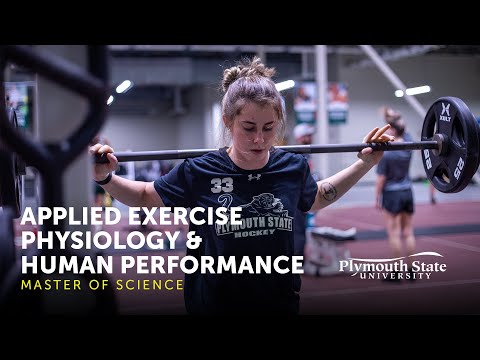
So, picture this: You’re at the gym, struggling through another set of squats, and suddenly the dude next to you is lifting what looks like an actual car. Like, seriously? How do some people make it seem so easy?
That’s where exercise physiology comes in. It’s basically the science behind how our bodies move and perform under stress. Think of it as a cheat code for understanding why you can run a mile today but found it hard to climb the stairs last week.
And oh man, have we come a long way! From flashy gadgets to mind-blowing research, there’s so much happening in this field that can help us push boundaries.
You ever hear about athletes using blood flow restriction to train harder with lighter weights? Mind-boggling stuff! So, grab a snack or something because we’re diving into how these advancements are changing our game in human performance.
Unlocking Human Potential: The Critical Role of Exercise Physiology in Enhancing Performance
So, let’s talk about exercise physiology. It sounds fancy, right? But at its core, it’s all about understanding how our bodies respond and adapt to physical activity. Exercise physiologists study everything from how our muscles work to how our heart pumps blood during a workout. This field is crucial for anyone looking to enhance their performance, whether you’re a casual gym-goer or an elite athlete.
One of the key areas these pros focus on is energy systems. Our body uses different energy systems depending on the intensity and duration of the exercise. For example, if you’re sprinting for a short burst, your body relies on the phosphagen system. On the other hand, if you’re jogging for longer periods, aerobic metabolism kicks in. Understanding this helps tailor training programs that maximize efficiency and performance.
- Exercise and muscle adaptation: When you lift weights or do any resistance training, your muscles get tiny tears. Sounds painful? It’s not so bad! These tears heal and make your muscles stronger over time.
- Cardiovascular improvements: Regular exercise helps your heart pump blood more effectively. Think of it as tuning up a car; with better circulation, everything runs smoother!
- The mental aspect: Exercise isn’t just about your body; it works wonders for your brain too. It can boost mood and reduce stress levels—hello endorphins!
You know what’s really cool? The science behind improving performance through exercise physiology has come a long way! Coaches nowadays use data like heart rates and oxygen consumption to create personalized training regimens. They look at how quickly your body recovers after workouts to tweak your routine so you can keep progressing without burning out.
I remember watching my friend train for his first marathon. He was all in—every morning he’d run like clockwork. But as he ramped up his mileage without understanding recovery principles from exercise physiology, he hit a wall! That’s when he discovered the importance of balance: you can’t just push hard every single day; rest days are crucial too!
A big part of human potential lies in how we adapt through training interventions. This means structured programs that allow individuals to improve through gradual overload or specific adaptations over time. If someone wants to run faster or lift heavier weights, there are specific methods based on physiological research that can help them reach those goals safely and effectively.
And here’s something inspiring: with advancements in technology—like wearable fitness trackers—we can monitor our own performance like never before! This data empowers us to make informed decisions about our workout routines and overall fitness goals.
- Nutritional support: Fueling properly before and after workouts is another game changer that exercise physiologists emphasize.
- Aging well: Engaging with exercise physiology isn’t just for athletes; older adults can greatly benefit from tailored programs that enhance mobility and strength.
- Diversity in training: Different exercises challenge various muscle groups, keeping things fresh while promoting overall fitness.
The reality is that unlocking human potential through exercise physiology isn’t just scientific jargon—it’s practical knowledge that transforms lives! Whether it’s helping someone run their first 5k or enabling athletes to break records, this field makes an impact every day.
You see? The relationship between exercise, our bodies’ responses, and enhancing performance is intricate yet fascinating! It’s all connected—the more we learn about our own biology during physical activity, the better we become at pushing those limits safely (and effectively).
Enhancing Athletic Performance: The Impact of Exercise Physiology on Sports Science
You know, when you watch athletes perform, it’s easy to think they’re just naturally gifted. Sure, talent plays a role, but there’s a whole lot of science behind their incredible feats. Exercise physiology is like the secret sauce in the recipe for enhanced athletic performance.
So what exactly is exercise physiology? Well, it’s the study of how our bodies respond to physical activity. This includes everything from the way our muscles generate energy to how we recover after training. Understanding these processes can really help athletes maximize their potential.
When you’re pushing your body during a workout or competition, your muscles need energy—like a car needs gas. There are different systems for producing this energy:
The balance between these two systems can make or break an athlete’s performance. For instance, a sprinter relies heavily on anaerobic energy because they need quick bursts. Meanwhile, a long-distance runner gears up their aerobic engine to keep going for hours.
Another huge part of enhancing athletic performance is understanding adaptation. When you train consistently, your body gets better at doing the tasks. That means stronger muscles and more efficient energy systems over time. Imagine trying to lift something heavy; the first few times it’s tough! But as you keep doing it, your body learns and adapts. That’s why discipline and routine are so important in sports.
But here’s where it gets really interesting: recovery! After an intense workout or game, your body needs time to heal and build back stronger. This is where nutrition comes into play too—think about how proper fueling with proteins and carbohydrates affects recovery times and overall performance.
Some athletes now use tools like heart rate monitors and VO2 max tests (that’s all about measuring how much oxygen your body uses during intense exercise) to optimize their training plans further. These technologies give insights that were not possible before!
And let’s not forget about mental aspects! The mind-body connection is super important in sports science. A positive mindset can sometimes mean just as much as physical ability when it comes to winning.
In short, enhancing athletic performance isn’t just about hitting the gym hard every day; it’s about using knowledge of exercise physiology effectively. Athletes train smarter by understanding how their bodies work and by listening to what they need—whether that’s improved recovery strategies or adapting their training based on physiological feedback.
So yeah! With all this scientific knowledge under our belts—literally—you start realizing that being an elite athlete involves not just hard work but also some cool science vibes that make everything tick!
ACSM Unveils Top Fitness Trends for 2025: Insights from the Field of Exercise Science
So, the American College of Sports Medicine (ACSM) is always keeping an eye on fitness trends coming our way, and their insights for 2025 are pretty interesting! You know, it’s amazing how exercise science keeps evolving and adapting. Let’s break down some of the top fitness trends they’re predicting.
- Personalized Fitness Plans: One major trend is personalizing workouts even more. It’s like having an exercise tailor! With wearables and tech getting smarter, trainers can design programs that fit your unique needs. Think about it: your body reacts differently than someone else’s, so why shouldn’t your workout be different too?
- Virtual Reality in Workouts: Yep, you heard that right—virtual reality (VR) is making its way into fitness. This technology allows you to be transported into immersive environments while exercising. Picture this: you’re cycling through a breathtaking mountain range or boxing in a neon-lit cityscape without ever leaving your living room!
- Sustainable Fitness: People are becoming more eco-conscious too. So you’ll likely see gym chains focused on sustainability, using green energy or even offering outdoor classes to cut down on electricity usage. It’s not just about getting fit; it’s also about taking care of our planet!
- Mind-Body Connection: Integrating mental health with physical health is gaining traction as well. Yoga and meditation sessions are being mixed with traditional workouts to enhance focus and reduce stress. It makes sense; when you’re mentally strong, your body tends to perform better.
But wait! There’s something personal I want to share here. A while ago, I tried incorporating meditation into my regular routine after hearing how it could improve focus during workouts. At first, I thought it was kind of silly—how could sitting still help my squats? But man, I felt a difference! Being in tune with my mind made those tough sessions not just bearable but actually enjoyable.
- Aging Populations in Fitness: As people live longer, there’s going to be a bigger focus on fitness for older adults too. You know what that means? More classes designed specifically for seniors! Think about easy-to-follow strength training or balance exercises that can help them stay active and healthy.
- Hybrid Fitness Models: With the rise of online workouts during the pandemic, hybrid models are likely staying put. Mixing in-person classes with virtual options makes fitness accessible no matter where you are or what your schedule looks like.
This blend of convenience and personalization is changing how we think about exercise altogether! And really encouraging because staying active should feel good—not like a chore filled with stress.
A lot’s happening at the intersection of exercise science and everyday life—it’s an exciting time for those who love movement and wellness!
You know, when you think about exercise physiology, it’s so much more than just lifting weights or breaking a sweat on a treadmill. I mean, take a minute and think about how far we’ve come in understanding how our bodies actually work during exercise. It’s like peeling back the layers of an onion—every peel reveals something new and fascinating!
A while back, I was jogging through the park when I saw this young kid sprinting by me like he was shot out of a cannon. He couldn’t have been older than ten, but man, he had some serious speed. Watching him got me reflecting on how much we really understand about what gives us that extra edge in performance.
So, here’s the deal: advances in exercise physiology have shown us loads about energy systems, muscle recovery, and even nutrition. You might think those things are common sense now—like eating carbs before a big race—but it wasn’t always that obvious. Just a couple of decades ago, people were still debating whether stretching was helpful or just a waste of time! Crazy, huh?
And then there’s technology—wow! Wearable devices can track everything from your heart rate to your sleep patterns. It’s like having a mini scientist on your wrist! These gadgets help athletes understand their bodies better than ever before. Imagine training for a marathon with real-time data telling you when to push harder or when to ease up. Talk about being in tune with your body!
But let’s not forget the mental aspect too; psychology plays such an important role in human performance. Visualization techniques and mindfulness can seriously boost your game by helping you stay focused and relaxed under pressure. I remember nervously waiting for my turn at a local sports competition; someone told me to visualize myself succeeding before it was my time to shine—totally helped calm my nerves.
At the end of the day, advancements in exercise physiology go beyond individual athletes; they’re shaping how sports are played at every level—from schools to professional leagues. The science behind human performance keeps evolving, which is super exciting because it pushes us toward new heights.
So next time you’re sweating it out at the gym or running after your dog in the park, just take a moment to appreciate everything that’s happening inside your body—and how all this knowledge has transformed our approach to fitness and performance over the years. It’s pretty cool stuff if you ask me!