So, picture this: you’re sitting at your favorite café, sipping on a latte, and your friend starts talking about how everything on Earth is like one big interconnected web. Sounds a bit dramatic, huh? But seriously, it’s kinda true!
The way water cycles through the air and ground, how plants absorb carbon dioxide, or even how you breathing helps trees live — it’s all intertwined. Earth is a fantastic mess of systems working together like a giant game of Jenga. And trust me, if one piece gets pulled out or shifted around, the whole thing can get wonky!
I mean, have you ever thought about how your morning routine could affect something way far away? Like that cup of coffee you love can be tied to farmers in another country and climate change. Wild!
So let’s chat more about these connections within Earth’s complex systems. It’s honestly pretty mind-blowing when you start to really dig into it!
Unraveling Earth’s Complexity: The Role of Science in Understanding Our Planet’s Systems
Sure thing! Earth is like this gigantic puzzle, and science is the tool we use to figure out how all the pieces fit together. It’s not just about rocks and trees; it’s about everything interacting in ways that can be downright mind-boggling.
First off, let’s chat about **Earth’s systems**. You’ve got the atmosphere, hydrosphere, biosphere, and lithosphere—think of them as different layers of a cake, each with its own special ingredients. The **atmosphere** is all about air and weather; the **hydrosphere** covers water in oceans, rivers, and even ice caps; the **biosphere** involves all living things; and the **lithosphere** is basically the ground beneath our feet. All these systems are connected in ways that profoundly affect life on Earth.
Now picture this: when you throw a rock into a pond, it creates ripples. That’s not too different from what happens when there’s a change in one of these systems. For instance, if a large part of the rainforest gets chopped down (that’s part of the biosphere), it can change rainfall patterns (affecting the atmosphere) and decrease local water quality (impacting hydrosphere). It’s all linked!
Climate change is another clear example of this interconnectedness. Rising temperatures affect weather patterns which leads to melting ice caps. This melting contributes to rising sea levels—so now coastal cities need to rethink their infrastructure. It’s wild how one small change can lead to such huge consequences!
Science comes into play by enabling us to study these complex connections. We use tools like computer models to simulate scenarios or satellite imagery to track changes over time. This tech helps scientists predict future trends based on data collected from years—sometimes decades—of observations.
And then there’s ecology! This branch helps us understand how species interact within their environments. Every plant or animal has its role—a bee pollinates flowers while munching on nectar, keeping plant populations strong and diverse! When you start messing with that balance by removing one element, it sets off a chain reaction that can harm entire ecosystems.
In addition to ecology, disciplines such as geology reveal how our planet has changed over millions of years—like understanding past climate shifts through ice cores or sediment layers. Each layer tells a story about what Earth experienced way back when.
So why does all this matter? Well, realizing these connections helps us make informed choices about conservation efforts or how we use resources like water or land. If we neglect one piece of the puzzle—it could impact everything else.
To sum up: science plays an essential role in unlocking Earth’s intricate systems by connecting dots between different fields like biology, geology, and meteorology while using technology for better insights. Understanding how they’re interwoven not only keeps us informed but also empowers us to protect our planet for future generations too! So next time you wonder why certain environmental changes matter—just think about that rock hitting the pond again!
Exploring the Interconnections in Earth’s Systems: Insights into Environmental Science
Earth is like this gigantic, interconnected puzzle. You’ve got the land, the atmosphere, the water, and living things all working together in ways that are mind-boggling. Seriously, everything influences everything else. So let’s break down these connections in a way that’s easy to digest.
The Atmosphere is basically a blanket of gases surrounding our planet. It’s responsible for our weather and climate, which affects how plants grow and animals thrive. Ever noticed how a rainy season can change your backyard from brown to green almost overnight? That’s the atmosphere at work!
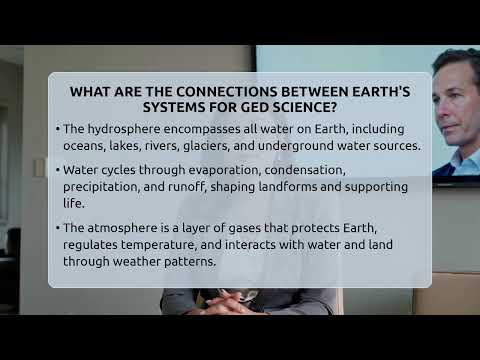
Then you have the Hydrosphere, which includes all the water on Earth—oceans, rivers, lakes, and even groundwater. Water cycles through the atmosphere and land continuously; it evaporates into clouds and then rains back down. This cycle influences everything from soil moisture to weather patterns.
Don’t forget about the Geosphere, which is essentially the ground beneath our feet—the rocks and soils that support life. Soil quality impacts crop growth, plus it holds carbon that affects climate change. When farmers practice good soil management, they’re not just improving their harvest; they’re also helping stabilize our climate!
Let’s touch on the Biosphere. This is where all living things interact—from tiny microbes in the soil to gigantic whales in the ocean. Biodiversity contributes to ecosystem resilience. If one species goes extinct due to changing conditions like pollution or climate change, it can have a ripple effect on others—like removing one piece from that puzzle we talked about earlier.
You know how some days feel super windy? That wind doesn’t just feel annoying; it plays a vital role in pollinating plants or dispersing seeds! These connections are vital for healthy ecosystems.
- Feedback Loops: So when temperatures rise due to greenhouse gases trapping heat, it melts ice caps. Less ice means less sunlight is reflected away—more gets absorbed by oceans instead! It’s like this never-ending cycle of warming.
- An Example of Interconnectivity: Consider coral reefs—they depend on clean water for survival but also affect marine biodiversity by providing habitats for fish. Pollution can devastate both aspects!
- Human Impact: Deforestation not only removes trees but also worsens climate change since trees absorb CO2. It’s like each action has consequences beyond what we might first see.
This intricate network means every action has a reaction somewhere else in Earth’s systems. It highlights how crucial environmental science is; by understanding these connections better, we can make informed decisions about how we interact with nature.
You know what? This whole system functions best when every component is respected and nurtured! When people take steps towards sustainability—like reducing waste or conserving energy—they’re actually helping keep this grand tapestry healthy for future generations.
The more we explore these interconnections between Earth’s systems, the better equipped we’ll be to tackle environmental challenges head-on! We only get one planet after all—let’s take care of it together!
Exploring the Intersection of Earth Science and Life Science: Understanding their Interconnected Roles in Science
The world is a pretty complicated place, right? You might think of Earth science and life science as separate realms, but they’re actually like two sides of the same coin. It’s wild! Both play huge roles in understanding how everything works together on this planet. Let’s explore how they connect and what that means for us.
First off, **Earth science** looks at the physical aspects of our planet. This includes things like geology, meteorology, oceanography, and even astronomy. Basically, it answers questions about rocks, weather patterns, oceans, and outer space stuff. For example, when you hear about climate change, that’s a massive Earth science topic that involves studying atmospheric changes over time.
On the flip side, we’ve got **life science**, which dives into living organisms: plants, animals, and us humans! Biology is the big umbrella here. It explores how these organisms grow, survive, interact with one another and their environments. Think about your garden—that’s life science in action!
What’s super cool is when these two fields meet up. Like when scientists study how weather affects plant growth or animal behavior! Take coral reefs as an example. Coral reefs depend on specific water temperatures (Earth science) to thrive while providing habitats for countless marine species (life science). If climate change messes with ocean temperatures or acidification levels? You can guess what happens—coral bleaching and loss of biodiversity.
And it’s not just corals! Soil health is another perfect spot where these sciences intersect. Healthy soil helps plants grow well (which is life science), but it also relies on minerals and nutrients from Earth processes (that’s where Earth science jumps back in). Without good soil management grounded in geological knowledge (pun intended!), crops can fail.
But it doesn’t stop there! Water cycles are another vital link between the two fields. The way rain forms in clouds (that’s Earth science) directly influences freshwater ecosystems where fish live and breed (you see where life science comes in). When pollution affects rivers or lakes? Yep—you guessed it; both sciences need to work together to find solutions.
So yeah, you’re actually seeing this connection all around you every day—from your backyard herbs thriving under the sun to those giant trees in national parks standing tall for centuries. **Understanding these intricate connections** helps scientists tackle big issues like climate change more effectively by highlighting how our actions influence both the planet we live on and every living thing here.
Ultimately, bridging Earth science and life sciences isn’t just some academic exercise; it’s vital for making informed decisions about conservation efforts or sustainable practices that impact our future—and let’s face it: that’s something we all care about deep down inside! So next time you’re outside enjoying nature or checking out a documentary about space or animals—remember those little connections buzzing all around you!
You know, when you really start thinking about it, Earth is like this crazy, intricate web of connections. It’s almost poetic how everything is linked together—like a massive, living puzzle. I remember the first time I stood on the edge of a cliff during a hike. The view was breathtaking, but what struck me more was how every little thing contributed to that beauty: the trees clinging to the rocks, the river winding through the valley below, even the clouds rolling by. It got me thinking about how all these elements interact.
So, let’s unpack that a bit. You have geology which shapes landscapes over millions of years. Think volcanoes and tectonic plates moving around like they’re in some kind of slow-motion dance. Then there’s biology, where plants and animals adapt and evolve, each playing their part in the ecosystem. They rely on each other for food, shelter—basically everything! If one species disappears? Well, that can create a ripple effect that changes everything else.
And then there’s atmospheric science which studies weather patterns and climate. This connects to oceans and land! Ever notice how rainforests get their moisture from oceans miles away? It’s wild to think about how air currents carry water vapor thousands of kilometers just to nourish those lush green canopies.
But hey, don’t let me forget about humans in this mix! We’re part of this whole system too—sometimes a chaotic force disrupting things but also capable of incredible creativity and problem-solving. Take something simple like planting trees in urban spaces; it can cool down neighborhoods and improve air quality—all connected back to those bigger systems we just talked about.
It makes you realize something important: our actions matter! Every little choice we make has the potential to affect these intricate networks—positively or negatively. So being aware of these connections isn’t just for scientists or environmentalists; it’s for everyone who shares this planet.
Next time you’re outside or even just looking out your window at nature, consider those connections around you. It’s all part of this grand design—like a massive orchestra playing a symphony where every note matters. Seriously cool when you think about it!