You know that feeling when you eat a giant slice of pizza and then feel like you need to lie down for a week? Yeah, I’ve been there. It’s wild how the stuff we munch on can totally mess with our bodies, right?
Human physiology is like this super intricate dance between what’s happening inside us and how we feel, think, and live. It’s not all just science-y jargon; it’s about understanding why your stomach growls when you’re hungry or why your heart races when you see someone cute.
But here’s where it gets even cooler. Everything we do – from what we eat to how much sleep we skip – has a direct line to our health. And honestly? That connection is pretty mind-blowing. So, let’s chat about how your body operates and how its little quirks can seriously impact your well-being. You’re gonna want to stick around for this one!
The Interconnection of Physiology and Health: Exploring the Scientific Foundations
Okay, let’s chat about the interconnection of physiology and health. It’s like a web, you know? Each strand is crucial to how we feel and function.
Your body is a super complex machine, right? Physiology studies how all the parts work together. Think of it this way: your heart pumps blood. This blood carries oxygen and nutrients to cells everywhere in your body. If one part isn’t working properly, like if your heart isn’t pumping well, it can mess everything up. You follow me?
- Circulatory System: It doesn’t just get your heart racing when you see someone cute! A healthy circulatory system helps transport hormones that regulate mood and energy levels.
- Nervous System: This controls everything from reflexes to emotions. Stress can seriously mess this up, leading to anxiety or even physical issues like headaches.
- Endocrine System: Seriously, hormones are the body’s little messengers. They affect growth, metabolism, and even sleep! An imbalance can lead to fatigue or weight gain.
You know what’s interesting? Your gut health plays a huge role too! I mean, there’s a whole community of microbes living in your intestines. They help digest food but also send signals to your brain that impact mood and immune responses.
I remember once feeling really low energy for weeks. Turns out my diet wasn’t great; I was missing out on essential vitamins that keep the body’s systems running smoothly. Once I changed my eating habits, it was like flipping a switch back on – way more energy!
- Immune System: You don’t want this guy slacking off! A strong immune response relies on good nutrition and sleep. Without them, you’re more prone to get sick.
- Skeletal Muscle: Strong muscles help support joints and bones but also play a role in metabolism. Exercise increases insulin sensitivity which is key in preventing diseases like diabetes!
The thing is—everything is connected. Your lifestyle choices impact your physiology which then influences your overall health. For instance, regular exercise boosts circulation and releases those lovely endorphins that make you feel good.
A lot of people underestimate sleep too! Quality sleep helps regulate hormones responsible for appetite and stress levels.
Without enough shut-eye, it’s sort of like trying to run a car on empty; it just won’t work right.
Basically, keeping an eye on these connections helps us understand our bodies better—and hopefully make choices that keep us healthier longer. So next time you think about grabbing that extra slice of pizza or skipping the gym, remember how much these choices ripple through with respect to physiology!
Exploring the 7 Core Concepts of Physiology: Essential Principles in the Science of Life
Exploring the Core Concepts of Physiology
When we talk about physiology, it’s all about understanding how our body works. Seriously, it’s like learning the choreography to a dance where every part, from your heart to your brain, has a role. Let’s break down these seven core concepts that are essential for grasping human physiology and its connection to health.
- Homeostasis: This is like your body’s way of keeping everything balanced. Think of it as a thermostat—it keeps your internal environment stable despite changes outside. For instance, when you exercise, your body heats up, but it cools down through sweating. Cool, huh?
- Cellular Structure and Function: Every single one of us is composed of cells—tiny powerhouses that keep everything running smoothly! Different cells perform different jobs; muscle cells help you move while nerve cells send signals throughout your body. If these cells don’t work properly? Well, you could end up feeling pretty off!
- Metabolism: Now here’s where the action happens. Metabolism is all about how your body converts food into energy. You eat something delicious, like pizza (who doesn’t?), and your body breaks it down to use for energy or store for later. The balance in metabolism can affect things like weight and overall health.
- Integration and Regulation: Picture this: all parts of your body need to communicate effectively to function well together—like a well-rehearsed band! Hormones from one part might signal changes in another, kind of like an orchestra where each musician must hit their notes at just the right time.
- Development and Aging: Our bodies change over time; newborns grow into adults with many physical changes along the way. But aging brings challenges too—like slowing metabolism or less efficient organs—that can influence health as we get older.
- Adaptation: This concept highlights how our bodies can adjust over time based on demands placed on them. For example, when you start lifting weights at the gym, your muscles adapt by getting stronger over time—pretty neat, right? It shows how resilient we are!
- Disease Mechanisms: Understanding how things go wrong in our bodies is super important too! Diseases often disrupt normal physiological processes which can lead to symptoms or other health issues. For instance, diabetes affects blood sugar regulation—a key aspect of metabolism.
So there you have it! These core concepts form a foundation for understanding not just physiology but also how our bodies connect to overall health. Isn’t it interesting? Everything is intertwined in this amazing dance we call life!
Exploring the 11 Physiological Systems of the Human Body: A Comprehensive Overview
The human body is a complex and fascinating system, made up of 11 physiological systems that work together to keep you alive and functioning. Each system has its own role, but they all communicate and cooperate to support your health. Let’s take a closer look at each system and what it does.
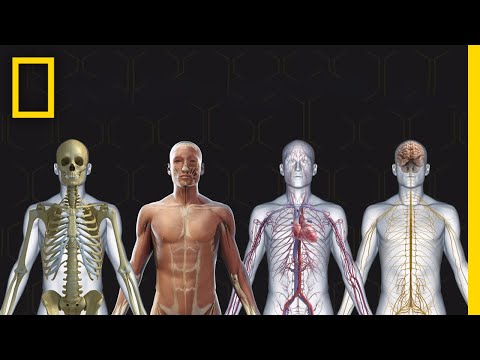
- Circulatory System: This system includes your heart, blood vessels, and blood. It’s responsible for transporting oxygen, nutrients, hormones, and waste products throughout your body. Imagine your blood vessels as highways—cars (blood) zooming around delivering packages (oxygen and nutrients) to different locations!
- Respiratory System: Every time you breathe in, this system kicks into gear. Your lungs take in oxygen and release carbon dioxide. It’s like the body’s own air filter! Think of it as swapping out the good air for the bad.
- Nervous System: The brain, spinal cord, and nerves make up this incredible communication network. It processes information from the world around you and sends signals to control everything from movement to thoughts! You could say it’s like your body’s command center.
- Muscular System: Without muscles, you wouldn’t be able to move at all! They allow you to walk, talk, dance—basically anything that requires movement. Muscles work by contracting—making them shorter or tighter—to produce movement.
- Digestive System: This one is key for transforming food into energy! It starts in your mouth with chewing. Then it travels through your esophagus into your stomach and intestines where nutrients are absorbed. Think of it as a factory turning raw materials into fuel.
- Endocrine System: This collection of glands produces hormones that regulate many of your body’s functions including growth, metabolism, and mood. These hormonal signals are like messengers that tell different parts of your body what to do.
- Immune System: Your body has this amazing defense mechanism against illnesses! From white blood cells to antibodies, they all team up against germs or infections trying to invade. It’s kind of like having a personal army ready to protect you!
- Skeletal System: Made up of bones and cartilage, this framework supports your body structure while protecting vital organs—like how a helmet protects your head during a bike ride!
- Urinary System: Managing waste is super important. Your kidneys filter blood to remove waste products which then exit the body as urine through the bladder. Consider it like a filtration plant that keeps everything clean inside!
- Integumentary System: This includes the skin along with hair and nails which act as barriers against pathogens while also regulating temperature—and let’s be honest—they help us look good too!
- Reproductive System: Responsible for producing offspring (and making sure humanity continues!), this system includes organs like ovaries in females or testes in males; they produce gametes (eggs or sperm) necessary for reproduction.
You see how these systems are all interconnected? When one isn’t functioning right—imagine if the digestive system got clogged up—it can affect our overall health; fatigue might set in or we may feel sluggish because our bodies aren’t getting what they need.
So yeah—all these systems collaborate so seamlessly that we often don’t even think about them until something goes awry. Understanding how they work can help us appreciate our bodies even more!
You know, it’s pretty amazing how everything in our body is connected. I mean, think about it. You wake up feeling groggy and grumpy because you didn’t sleep well, right? That lack of sleep can throw off your whole day. Your mood, energy levels, even your appetite can be affected! It’s like this wild chain reaction that starts with just one thing.
So here’s a little story for you. A while back, my friend started getting headaches out of nowhere. She thought it was just stress from work or maybe she was dehydrated. But after chatting about it over coffee, she realized that her diet had been lacking in certain nutrients. I remember her saying something like “I didn’t eat anything green all week!” And honestly? That was a lightbulb moment for her! Once she changed her eating habits and focused on hydration, those headaches began to fade away.
It’s like our body has this built-in communication system. You know how if you touch something hot, you pull away instantly? That’s your nervous system at work! It sends the message to the brain faster than you can say “ouch!” But then there are those subtler signals we often ignore—like fatigue or stress that builds up over time. Those whispers can turn into shouts if we’re not careful.
And speaking of connections, let’s talk about the gut-brain link for a second. Isn’t it wild how our digestive health can influence our mental wellness? Ever heard of that saying, “You are what you eat”? Well, it really does matter! The foods we consume fuel not just our bodies but also impact how we think and feel.
It’s kind of a dance between everything: physical activity boosts endorphins (those happy chemicals), while poor posture can lead to back pain and even mood dips! Seriously though—how many times do we sit hunched over our phones or laptops?
So, in the grand scheme of things, taking care of one aspect of your health really benefits the others too. If you prioritize sleep and nutrition while staying active, you’re creating a smoother ride for yourself overall—like keeping the engine well-oiled in a car!
At the end of the day, being aware of these connections helps us make better choices. Just think: small changes in one area can create ripples through your entire system. So next time you’re feeling off-kilter or out of sync with yourself, maybe take a moment to check in on all those little interconnected pieces that make up who you are!