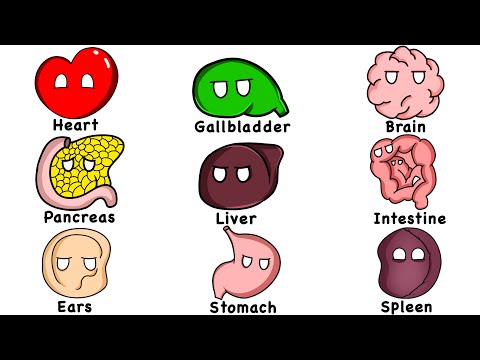
You know, the human body is kind of like a super advanced machine, right? I mean, have you ever thought about how your heart just keeps beating without you even thinking about it? That’s wild!
When I was a kid, I once thought my stomach was just a giant storage room. Seriously! I pictured my food sliding down like a conveyor belt. That’s how little I understood back then.
But every part of you tells a story. From the way your lungs work when you laugh to how your skin protects you like armor. It’s all connected in this intricate dance that keeps us going day by day.
So, let’s hit the road and discover what makes us tick! You’ll see, the journey through our bodies is as exciting as any adventure book out there. Ready to explore?
Exploring the Scientific Study of Body Functions: Understanding Physiology and Its Importance in Biology
Physiology is one of those cool branches of science that really helps us understand how our bodies work. You know, like the behind-the-scenes stuff that keeps everything running smoothly. So, let’s break it down.
What is Physiology?
It’s basically the study of how living organisms function. This includes everything from how our heart beats to how we digest food. Imagine your body as a complex machine, where each part has its own unique role—even the tiny cells.
The Importance of Physiology
Understanding physiology is crucial for several reasons:
- Health and Medicine: Knowing how the body works can help in diagnosing and treating diseases. For example, if a doctor understands how your lungs function, they can better treat respiratory issues.
- Exercise and Nutrition: It helps athletes improve performance by understanding muscle function and energy use during workouts. Ever heard of lactic acid build-up? That’s physiology in action!
- Aging: Studying physiology lets us see how our bodies change over time. This knowledge can improve health care for older adults too.
The beauty is—you don’t have to be a scientist to appreciate all this. Just think back to when you tried riding a bike for the first time! Your brain was firing on all cylinders to balance you while your muscles worked hard to pedal.
Main Body Systems
Alright, so what are these body systems we keep talking about? Here are some key players:
- Circulatory System: Think about your heart pumping blood like a water hose spraying out water—it’s crucial for getting nutrients and oxygen to every part of your body.
- Nervous System: It’s like the body’s control center. It sends signals between different parts—like when you feel a tickle on your skin and immediately swat away that bug!
- Digestive System: This one’s fascinating! It breaks down food into nutrients so your body can use them for energy—like how you get fuel from pizza (yum).
And let’s not forget about the respiratory system—responsible for breathing! It teaches us just how important oxygen is and why we need it daily.
Anecdote Time!
Once, I went hiking with friends and totally overdid it on the trail. I was panting and my heart felt like it could burst outta my chest! It wasn’t just exhaustion; my body’s physiology was working overtime to supply oxygen to my muscles while trying to keep me cool through sweating. It was like watching an action movie unfold inside me!
The Bigger Picture
Physiology isn’t just about individual systems; it’s also super important in understanding interactions between them. For instance, consider stress: when you’re stressed out, your heart rate speeds up, your breathing becomes rapid, and even digestion may slow down because all resources shift towards dealing with that stressor.
So yeah, diving into physiology gives us insight not just into health or sports but also overall well-being.
In summary but not concluding—understanding physiology can empower us! Whether you’re curious about why you yawn or want tips on improving athletic performance, this branch of biology shines light on what makes you tick (or hum) as a living being!
Keep exploring; there’s so much more under the surface!
Exploring Human Anatomy: The Scientific Study of Body Parts and Their Functions in Biology
Sure! Let’s take a little stroll through human anatomy, shall we? Exploring our body is kind of like going on a treasure hunt. Each part has its own special role, and together they make us who we are.
What is Human Anatomy?
Anatomy is basically the study of our body’s structure. It’s all about how things fit together. You know how when you take apart a toy to see how it works? That’s kind of what scientists do with the human body—except we’re more complicated than your average action figure!
Body Systems
Our body is organized into different systems that work together like a well-oiled machine. Here are some key players:
- The Circulatory System: This includes your heart and blood vessels. Think of it as the delivery system for oxygen and nutrients.
- The Respiratory System: Made up of your lungs and airways, this system helps you breathe in oxygen and breathe out carbon dioxide. Imagine it as the natural filter for our air!
- The Digestive System: From mouth to stomach to intestines, this system breaks down food into energy. It’s like a factory processing raw materials!
- The Nervous System: Comprising your brain, spinal cord, and nerves, it controls everything from movement to feeling pain. Picture it as the body’s command center.
Fun Fact: The Body’s Biggest Organ!
You might not think about it much, but your skin is actually the largest organ in your body! It covers everything, protects organs underneath, and even helps regulate temperature. Isn’t that nuts?
Anecdote Time!
I remember once sitting in biology class when my teacher pointed at a diagram of the human heart. She said each heart has four chambers: two atria and two ventricles. That blew my mind! I had no idea something so small could pump blood throughout an entire body!
The Role of Muscles
Muscles are another crucial part of anatomy. They let us move; they help us stand up or even just smile! There are three types of muscles:
- Skeletal Muscles: These are voluntary muscles you control. Like when you wave hi.
- Smooth Muscles: Found in places like your stomach, these work without you thinking about them.
- Cardiac Muscle: This one only exists in the heart—pretty special if you ask me!
The Importance of Study
Studying anatomy isn’t just for doctors or scientists; it affects everyone! When we understand how our bodies function, we can make better choices about health and wellness.
So there you have it—a brief look at human anatomy that’s both fascinating and essential for life. Each part plays its role like a member of an orchestra coming together to create beautiful music—our lives! Isn’t that a neat way to think about it?
Exploring Human Body Systems: An Engaging Scientific Video Guide
Exploring the human body is like embarking on a fantastic adventure. Seriously, it’s wild! You’ve got this intricate network of systems all working together seamlessly. Let me break it down for you.
The Skeletal System is where it all starts. Think of bones as the sturdy framework of a house. They not only give you shape but also protect vital organs. For instance, your skull protects your brain, and your rib cage shields your heart and lungs. Without this structure, you’d basically be a blob—no thanks!
Then we have the Muscular System. Muscles are like the engines that power your movements. There are three types: skeletal, smooth, and cardiac muscles. Skeletal muscles help you move your body parts voluntarily—like when you wave to a friend or dance awkwardly at a party (we’ve all been there). Smooth muscles work behind the scenes in organs like the stomach while cardiac muscle keeps your heart pumping rhythmically.
Now let’s dive into the Nervous System. This complex communication network controls everything from reflexes to thoughts! Your brain is the control center; it processes information and sends signals through nerves to different parts of your body. Imagine touching something hot—your hand pulls away before you even consciously realize what happened. That’s your nervous system working at lightning speed!
Next up is the Circulatory System, which is essentially how oxygen and nutrients travel throughout your body in blood vessels. Your heart pumps blood like a tireless courier service delivering essential items where they’re needed most. It also grabs waste products for disposal, keeping everything running smoothly.
And don’t forget about the Respiratory System. It’s responsible for getting oxygen into your bloodstream and expelling carbon dioxide—a pretty big deal if you want to live! Every breath you take brings oxygen to your cells, allowing them to produce energy.
When we talk about digestion, we can’t ignore the Digestive System. Food goes on quite a journey here—from munching it down with your teeth to breaking it down with acids in your stomach—before nutrients get absorbed in the intestines. It’s like an epic road trip inside yourself!
Then there’s the Endocrine System, which releases hormones that regulate everything from growth to mood swings (hello teenage years!). It works behind the scenes but has a huge impact on how our bodies function day-to-day.
Lastly, we should mention the Immune System, our defense against illness and infections. It’s like having an army constantly on alert for invaders trying to take over our bodies.
So yeah, exploring human body systems reveals how interconnected everything really is! Each part has its job but works together as one amazing unit keeping us alive and thriving every day. Understanding this makes us appreciate our bodies more—not just as vessels but as incredible machines filled with wonders!
You know, when you think about the human body, it’s easy to get overwhelmed. I mean, it’s like a crazy intricate puzzle that you can’t help but admire, right? Each part plays its own role, and when you take a moment to explore them—well, it’s like going on an adventure without ever leaving home.
I remember this one time in high school when we had to dissect a frog for biology class. Sounds gross? Maybe! But honestly, it was kind of incredible. Peering inside this little creature and seeing its organs all laid out—its heart, liver, lungs—it struck me how these parts work in unison. Like a perfectly timed dance routine where each dancer has their own style but comes together beautifully.
Let’s start with the heart. It’s not just some lump in your chest; it’s like a tireless pump that keeps blood flowing through your entire body. Seriously! It pumps oxygen-rich blood to all those cells hustling to keep you going. If it stops? Well, things go sideways pretty fast!
And then there are your lungs: think of them as soft sponges that soak up oxygen whenever you breathe in. They work hand-in-hand with the heart. After all, what good is the freshest air without some way to get that oxygen to where it’s needed?
Now take your brain—it’s a whole universe up there! This squishy mass controls everything from sending signals to your muscles so you can move, to letting you feel emotions and think about random stuff like why pizza is so delicious or what on earth happened on last night’s TV show.
Each organ has its own magic trick—like your stomach turning food into energy or your skin acting as this super tough shield against outside stuff. You might even think of cells as tiny little workers building the larger structure of who you are.
The other day I was walking through the park and noticed how people move around: running, walking their dogs, laughing with friends—everything happening because of this complex network of systems working under our skin! It kinda hit me how amazing we really are if we stop and think about it.
Exploring our body parts isn’t just fun; it’s an invitation to appreciate every single function that keeps us alive and kicking. Whether it’s feeling joy from laughter or even sadness from loss—it’s all tied back to those functions at play inside us.
So yeah, next time you’re feeling down or overwhelmed by life’s craziness, remember there’s so much happening beneath the surface—a fascinating journey through the intricacies of human life!