You know that feeling when you’ve just stuffed your face at a buffet? Like, you’re so full, you could roll over and nap right there? Well, that’s all thanks to your stomach doing its thing. But have you ever stopped to wonder what exactly is going on in there?
Seriously! Your stomach isn’t just a squishy bag where food goes to disappear. It’s like a little factory working hard to break down every delicious bite you take. Think of it as a superhero in the digestive world.
Let’s take a quick peek inside this amazing organ. I mean, most of us don’t really think about our stomachs until they start doing the cha-cha after taco night, right? So, why not explore what makes it tick? You might be surprised by how cool and complex it really is!
Exploring the Anatomy of the Stomach: Key Components and Their Functions in Digestive Science
The stomach is like this amazing, squishy bag in your body, you know? It plays a starring role in how we digest food, breaking it down into smaller, more manageable parts before it continues its journey. Let’s unwrap the anatomy of the stomach and see what makes it tick!
First off, the stomach isn’t just a simple sack; it has several key components that work together. These parts include:
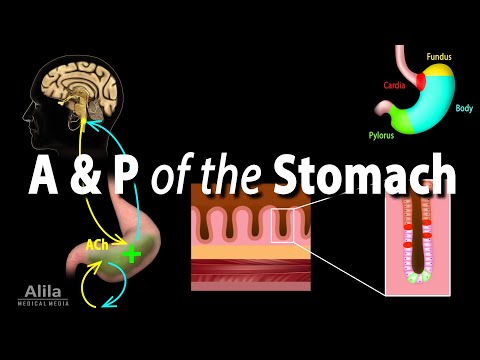
- Cardia: This is where food enters from the esophagus. Imagine a door swinging open; that’s kind of like how this part works!
- Fundus: This is the upper curve of your stomach, where gases can collect after digestion. If you’ve ever felt bloated after eating, this area might be why.
- Body: The main part of your stomach! It stores and mixes food with gastric juices. Seriously, it’s like a blender in there!
- Pylorus: Think of this as a gatekeeper that controls how much food goes into your small intestine. It makes sure only properly digested food gets through.
- Antrum: At the lower end of the stomach, this area helps grind up the food more and mix it with enzymes.
Now let’s break down what each of these parts does. The cardia is super important because it’s basically the first stop for all that delicious food you eat. It allows stuff to enter but also prevents anything from coming back up—hello heartburn!
The fundus collects any gas generated during digestion. When you eat too fast or swallow air while chatting over lunch, well, that gas hangs out here until it’s ready to leave your body.
If we zoom into the body of the stomach—it’s where all the magic happens! When you chow down on something tasty, gastric juices filled with acids and enzymes start breaking it all apart. Picture tiny little workers in there tearing everything into bits so your body can absorb nutrients efficiently.
The pylorus is fascinating too! It’s got this muscle called a sphincter that opens up to let just enough food pass through to your small intestine when it’s ready. If things aren’t broken down enough? Nope! Not happening.
The antrum does its thing by mixing everything up even more and helps make sure what leaves is not just mush but something your intestines can actually use effectively—kind of like sifting flour before baking!
So all these parts work together in this somewhat chaotic dance to ensure we get nutrients from our meals while keeping things flowing smoothly. It’s kind of beautiful if you think about it: our bodies are constantly at work without us even realizing it!
If you’re ever feeling weird after eating, knowing about these parts can help you understand what might be going on inside your tummy—it’s complex but also downright fascinating! So next time you’re munching on a burger or salad, take a second to appreciate that amazing organ working hard just for you.
Exploring the 12 Essential Parts of the Digestive System and Their Key Functions in Human Physiology
The digestive system is pretty amazing, right? It’s like this intricate highway that helps our bodies turn food into fuel. Let’s break down the 12 essential parts and see how they all work together.
- Mouth: This is where digestion starts. Your teeth chew food into smaller bits while your saliva begins breaking it down. Imagine you’re munching on an apple; your saliva helps extract those sweet flavors!
- Esophagus: After you swallow, the food travels through this muscular tube. It connects your mouth to your stomach by using rhythmic contractions called peristalsis to push food down.
- Stomach: Now we’re getting to the heart of the operation! The stomach uses acids and enzymes to continue breaking down food into a mushy mix called chyme. Picture a blender working hard, turning solid pieces into a smoothie!
- Small Intestine: This is where the magic really happens—most digestion and absorption of nutrients occur here! It’s divided into three parts: duodenum, jejunum, and ileum. Nutrients pass through the walls here and enter your bloodstream.
- Liver: A superstar in digestion! The liver produces bile to help digest fats. Imagine it as a chef preparing ingredients for a delicious meal; without bile, fats would be hard to break down.
- Gallbladder: This little pouch stores bile until it’s needed in the small intestine. Think of it like a reservoir that releases bile at just the right moment when fats need breaking down.
- Pancreas: Another all-star player! It produces digestive enzymes and bicarbonate that help neutralize stomach acid when food enters the small intestine. Without it, things would get too acidic for nutrient absorption.
- Cecum: This pouch connects the small intestine with the large intestine. It kinda acts like a gateway for leftover stuff that needs to head out of your body!
- Large Intestine (Colon): Here’s where water gets reabsorbed from waste material, turning liquid leftovers into something more solid as we prepare for exit—a bit like wringing out a sponge!
- Rectum: Just before waste leaves your body, it hangs out in the rectum (the last stop!). It’s where your body knows when it’s time to go—definitely an important role!
- Anus: The final part of our digestive journey! It’s basically like the gatekeeper for waste leaving your body—controlled by muscles in this area.
- Mucosa Layer: I should mention this layer lining much of our digestive tract; it plays a big role in secretion and absorption, acting like protective armor while also helping absorb nutrients!
So there you have it—the fascinating journey of food through the human digestive system! Each part has its own job but works as part of an amazing team. Just think about how much you rely on this system every day—like when you wolf down pizza or snack on nachos with friends! Each bite is part of a complex process that keeps you running smoothly!
Understanding Stomach Function: Insights into Gastrointestinal Physiology and Digestive Health
Stomach function, huh? It’s pretty cool when you think about it. This organ is like a busy kitchen, constantly breaking down food so your body can use it. Let’s get into how it all works.
The stomach is divided into a few key parts: the cardia, fundus, body, and pylorus. Each section has its own role in the digestive process. It’s like a team working together!
- Cardia: This is where the food enters when you swallow. Picture this as the *front door* of your stomach.
- Fundus: This part sits above the cardia and acts like a *storage space*. It holds onto gas and food for a bit before mixing.
- Body: The main part of your stomach! Here’s where most of the action happens. The walls are muscular, churning food with powerful contractions.
- Pylorus: Finally, we have this area that controls when food leaves your stomach to head into the small intestine. Think of it as a *gatekeeper*!
The real magic happens thanks to stomach juices. These juices include strong acids like hydrochloric acid and digestive enzymes. You can imagine them scrambling to break down proteins and kill off any pesky bacteria that sneak in with your meal.
Your stomach also plays a role in regulating how fast food leaves. Have you ever felt super full after eating? That’s because the pyloric valve decides if your stomach’s contents are ready for the next stage of digestion or if they need more time cooking!
You know, I once had this friend who didn’t really take care of her gut health. She’d eat whatever she felt like—fast food, sugary snacks, you name it! Then she’d complain about feeling bloated or having stomach aches more often than not. Our stomaches rely on good nutrition to work smoothly! Keeping our diets rich in fruits, veggies, and whole grains helps everything move along nicely.
The balance in our stomach isn’t just about what we eat though. Stress plays a role too! When you’re stressed out or anxious, your body can produce more acid than usual—sometimes leading to heartburn or ulcers. Crazy how emotions can affect our bodies, right?
If you’re curious about something specific related to digestion or maybe even any common issues like reflux or gastritis (which is inflammation), just think about how delicate this whole process is! It all comes down to balance—what goes in and how well we take care of ourselves allows our stomachs to do their job effectively.
Your gut health deserves attention, so listen closely to what your body tells you! Whether it’s through diet changes or managing stress levels, even small tweaks can make big differences over time.
You know, it’s kind of amazing when you think about the stomach. It’s like this squishy bag in your body that does a whole lot more than just hold your food. I mean, have you ever considered what goes down in there?
When you eat something, food doesn’t just sit around waiting to be digested. It travels through your esophagus—like an expressway for food—down into the stomach. Once it gets in there, things get interesting! The stomach is divided into parts: the cardia, fundus, body, and pylorus. Sounds fancy, right? But each of these sections has its own job.
The cardia is where all the magic begins. This part connects your esophagus to your stomach. Think of it as a bouncer at a club; it lets food in but keeps acid and other stuff from backing up where they don’t belong. Then we have the fundus and body regions, which pretty much do all the heavy lifting when it comes to mixing and breaking down that delicious meal you just had.
Picture this: you’ve just devoured a big bowl of spaghetti with meatballs—yum! As soon as it hits your stomach, these cells start releasing gastric juices loaded with acids and enzymes. Those juices are like little warriors fighting to break down that food into something your body can actually use for energy. It’s like teamwork at its finest!
Finally, there’s the pylorus at the end, acting like a gatekeeper again. It controls what moves from your stomach into the small intestine—a crucial transition point because that’s where nutrients are absorbed into your bloodstream.
It’s kind of poetic when you think about how all these parts work together so seamlessly, isn’t it? Sometimes I sit back and marvel at how our bodies are designed to process all this stuff without us even thinking about it! Like when I had this great homemade chili last winter—I’m still drooling over it—just remembering how my stomach handled everything so smoothly makes me appreciate my body even more.
So next time you’re munching on something tasty, remember those unsung heroes inside your stomach doing their thing! It’s pretty wild how something so common can be such an intricate masterpiece of biology and function at play every single day.