So, you know when your dog just gobbles up their food like it’s the last meal on Earth? It’s kind of hilarious, right? One minute they’re all polite, sniffing around, and the next, bam! It’s like a vacuum cleaner got unleashed in your kitchen.
Well, that’s not just their enthusiasm; it’s their stomach getting ready for business. Seriously! The way a dog’s stomach works is pretty wild and can tell us a lot about their health.
But let’s be real—most of us don’t even think about what goes on inside there while our pups are munching away. You ever wondered why they can eat the most random stuff? Or why some dogs have that infamous habit of scarfing down everything in sight? I mean, what gives with that?
So, if you’re as curious as I am about those adorable furballs and want to know more about how their stomachs work, stick around! We’re diving into the anatomy and function of your dog’s stomach—what makes it tick.
Exploring Canine Gastronomy: The Anatomy and Function of a Dog’s Stomach
So, let’s chat about our furry friends and their adorable stomachs! You might think it’s just a simple bag where food goes, but oh boy, it’s way more complicated than that. Dogs have a really unique digestive system that’s kind of special compared to humans.
The Anatomy of a Dog’s Stomach is pretty interesting. First off, the stomach itself is this muscular pouch located just behind the ribcage. It has two main parts: the fundus (the upper part) and the body. When your pup eats, food gets mixed in and churned around—like a blender! This mixing helps break down the food into smaller pieces so it can be digested better.
Now, here comes the fun part: dogs have a very strong stomach acid. Yup, their tummy juice is much more acidic than ours! This acid helps them digest all sorts of things—like raw meat and bones—that would make us pretty sick. It’s kind of wild to think about how strong their digestive juices are.
- Pyloric Sphincter: At the bottom of the stomach is this little gatekeeper called the pyloric sphincter. It controls when food moves from the stomach to the small intestine. So if your dog scarfed down dinner super fast, that little gate will only let it through at its own pace.
- Mucosal Lining: The lining of a dog’s stomach is covered with mucus that protects it from those strong acids. Without this protective layer, their tummies could get hurt!
- Fermentation: Some dogs can ferment food in their tummies too! That means they can actually digest things that we can’t — like grass and some plants. Ever catch your dog munching on grass? They might just be looking for some extra tummy help!
The Function of Their Stomach? Well, it’s mainly about breaking down food! When dogs eat something yummy (or not-so-yummy), enzymes and acids help turn that meal into nutrients they need to stay healthy and active. But here’s where it gets even more interesting: dogs’ diets evolved over time based on what they hunted and ate in the wild.
You might see your dog gnawing at something tough or chewy for ages, right? That’s because they’re trying to extract as many nutrients as possible from whatever they’re eating. Their bodies are designed for high-protein diets—so think meat first!
If you ever notice your pup having digestion issues—like throwing up or not wanting to eat—definitely keep an eye on things. Sometimes those signs mean something’s up with their tummy or diet balance.
The whole process takes about 8 hours for them to digest food before it moves into the small intestine! Can you imagine waiting that long? But what happens in there is essential too; it’s where most nutrient absorption happens.
If you’re ever curious about how certain foods affect your dog—or if they should try something new—just remember: always check with your vet first! Keeping an eye on what goes into those bellies keeps our four-legged pals happy and healthy.
Your dog’s stomach may seem simple at first glance, but it’s actually an amazing system designed for survival. Just another reason why we love these goofy creatures so much!
Comparative Analysis of Canine and Human Digestive Systems: Key Differences in Structure and Function
So, you’re curious about how our furry friends’ tummies work compared to ours? Well, let’s get into it! Understanding the differences in the canine and human digestive systems can really help you take better care of your pet.
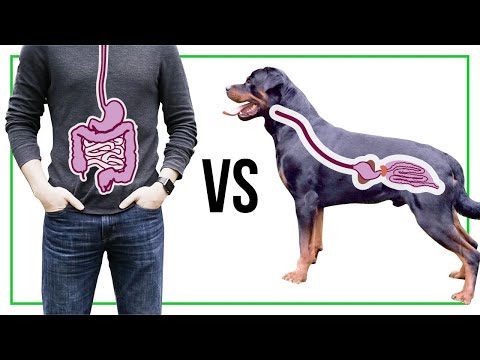
First off, let’s look at the overall structure. Humans have a pretty lengthy digestive tract that averages around 30 feet. Meanwhile, dogs? They’ve got around 10 to 15 feet on average. Why the difference? Simple: we eat a lot more complex foods that need more time and space to break down. Dogs, on the other hand, are more geared toward high-protein diets, which is why their system is built for quicker processing.
Moving on to specific organs. One major player in digestion is the stomach. Human stomachs are relatively similar in size and shape to dogs’, but that’s where the similarities end. In humans, our stomachs have a milder acidity level (around pH 1.5 to 3.5). Dogs’ stomach acids? Much stronger—think pH as low as 1! This allows them to break down protein and kill bacteria that could harm them easily.
Now let’s talk about enzymes and how they help digest food. Humans produce different types of enzymes like amylase in our saliva for breaking down carbohydrates right away. Dogs don’t really have this enzyme in their saliva since they mainly munch on meat. Instead, they rely heavily on enzymes produced by their pancreas once the food hits their intestines.
Speaking of intestines, here’s where things get interesting again! The canine intestine is shorter but wider compared to ours—it has a larger capacity for processing meat quickly. Their intestines are also designed with fewer folds than ours because dogs tend not to eat as many fibrous veggies as we do.
And here’s something I found fascinating: dogs can actually digest some raw foods much more efficiently than we can! Can you picture your pup chowing down on a bone while your friends grimace at the thought? It’s all thanks to their special stomach lining and quick digestion process.
Now let’s wrap it up with some key takeaways:
- Digestive length: Dogs’ tracts are shorter; designed for quicker protein processing.
- Stomach acidity: Canine stomachs are much more acidic than human ones.
- Enzyme production: Dogs rely less on saliva enzymes; theirs kick in further along.
- Intestinal structure: Wider but shorter intestines mean faster breakdown.
Remember this next time you see your dog gobbling up its meal without a care! It’s all part of their unique anatomy and function that makes them such efficient little carnivores. Isn’t nature cool?
Anatomy of Canine Organs: Exploring the Left Side of a Dog’s Abdomen
Alright, let’s talk about the left side of a dog’s abdomen! This area is packed with vital organs that play some key roles in your furry friend’s health. If you’ve ever had a dog, or even just been around them, you know how much they love to eat and play. Well, understanding their anatomy can help you take better care of them.
The left side of a dog’s abdomen houses several important organs including the stomach, spleen, and parts of the intestines. Let’s break it down a little.
- Stomach: This is where the magic of digestion begins. When your pup eats, food goes into their stomach where it gets mixed with gastric juices. These juices break down the food so nutrients can be absorbed later on. If you’ve ever seen your dog gobble up its meal like it’s about to disappear forever, that’s because their stomach is working hard!
- Spleen: The spleen’s job is pretty cool too! It helps in filtering blood and plays a role in producing white blood cells. It’s crucial for fighting off infections. Sometimes when dogs are sick or have certain conditions, their spleens can become enlarged—sort of like when we get swollen lymph nodes!
- Intestines: On the left side, we find part of the small intestine and possibly some loops of the large intestine as well. These organs are all about absorbing nutrients and water from digested food before turning it into waste. So if your dog has tummy troubles or isn’t pooping regularly, this could be an area to consider.
Now let me share a little story here: My friend had this adorable Golden Retriever named Max. One day, Max started acting strangely—he wasn’t eating and seemed lethargic. She took him to the vet who explained how issues with his stomach or spleen could cause such behavior. Turns out he had an inflamed spleen! 😟 Thankfully, he recovered after treatment; but it was eye-opening to see how our pets rely on those organs right there on their left side!
Another thing to keep in mind is that some breeds might have unique anatomical features that can affect their health too—like bloat in deep-chested dogs like Great Danes or Boxers.
If you’re ever concerned about your dog’s digestive health—like if they’re vomitting frequently or not acting themselves—it’s always best to seek veterinary advice quickly! Understanding this part of canine anatomy can help you notice when something isn’t quite right.
So there you have it—a quick tour through the left side of a dog’s abdomen! Keeping an eye on these organs can mean happier and healthier days for your four-legged buddy.
Alright, so let’s chat about something that’s super important for dog owners: the anatomy and function of our furry friends’ stomachs. You probably don’t think about it much, right? But understanding how their stomachs work can really help you take better care of them.
I remember the first time my buddy Max inhaled a whole pizza crust—like, seriously, I could barely catch him! I panicked for a sec until I recalled that dogs are born scavengers. Their stomachs are designed to handle food a bit differently than ours. That little flashback made me realize just how tough their tummies really are!
So, here’s the deal: A dog’s stomach is pretty amazing. It has a larger capacity compared to ours, mostly because they were built to eat in one go when they find food in the wild. You know how sometimes you feel stuffed after Thanksgiving dinner? Well, they can pack away food like it’s nothing! The thing is, their stomach is divided into sections—kind of like different rooms in your house but all for the same purpose.
First up is the cardia, which is basically where all that grub enters after they munch it down. Next comes the fundus. This part stretches when they eat and helps mix everything up with digestive juices. And you’ve got this really important muscle called the pyloric sphincter at the end—think of it as a bouncer at a club deciding what gets into the small intestine!
Now while we’re on this topic, let’s talk about those digestive enzymes and acids in there. They’re no joke! Dogs have super strong hydrochloric acid—which makes sense since they’ll chomp on stuff we’d never dream of eating! This acid helps break down all kinds of proteins and other yummies they consume.
And then there’s something kind of interesting: their digestion time isn’t that long compared to us humans—everything’s happening like a well-rehearsed play backstage at Broadway! It takes around 4 to 8 hours for food to get digested in their system; that means less waiting around for those little furballs after chow time!
But there’s more: knowing what your dog can or can’t eat is essential too. Some stuff can mess up their tummies big time! Chocolate? Nope! Grapes? Definitely not! It surprises many new pet owners how certain foods can cause serious issues.
So next time you see your pooch eyeing your plate with those big puppy eyes or scarfing down treats like it’s an Olympic event, remember what’s happening in that amazing little belly of theirs. Understanding their anatomy helps make smarter choices about what goes in there—and trust me, both you and your furry friend will be happier for it!
In short, caring for a pet means loving them enough to learn about them—for real! And giving them good stuff not only keeps them healthy but also strengthens that bond between you two. So don’t just feed ‘em; know ‘em too!