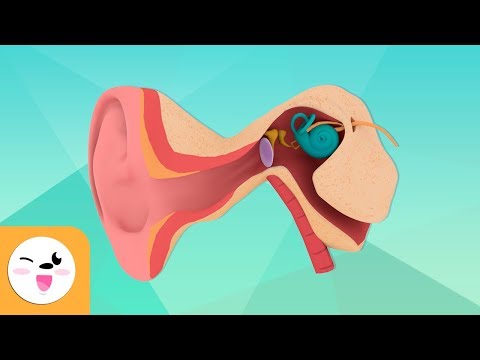
You ever tried to listen to your favorite song underwater? It’s like, the worst. Everything sounds all weird and fuzzy, right? That’s your ears giving you the side-eye for trying to mess with how they work.
So, here’s the thing: our ears are pretty amazing little structures. They’re not just there for blasting music or catching gossip. They’re like the unsung heroes of our senses. Seriously!
Let’s take a quick peek at what makes them tick. You’ve got parts that help you hear sounds, balance yourself on a tightrope (well, maybe not that extreme), and even protect you from loud noises. Pretty wild, huh?
So come along! We’ll dig into the anatomy of your ear, and trust me—it’s more interesting than it sounds!
Understanding the Anatomy of the Ear: Key Parts and Their Functions in Human Hearing
Understanding the anatomy of your ear is kinda cool, right? I mean, those little things help you experience the world in ways you might not even think about! Let’s break down the main parts and what they do.
Outer Ear
First up, we have the outer ear. This is the part you can see—yep, your earlobe and everything. Its main job is to collect sound waves from the environment. Think of it like a funnel grabbing sounds and directing them inward. The outer ear consists of:
- Pinna: That’s the fancy name for your ear’s visible part. It helps capture sound.
- Ear Canal: This tube-like structure channels sound waves down to your eardrum.
So, next time someone yells your name across a noisy room, your pinna is doing some serious work!
Middle Ear
Now we get to the middle ear. It’s a tiny space packed with some nifty gadgets that amplify sound vibrations. Here’s what you’ll find in there:
- Eardrum (Tympanic Membrane): This thin membrane vibrates when sound hits it, turning those waves into mechanical movements.
- Ossicles: Three tiny bones called malleus (hammer), incus (anvil), and stapes (stirrup) transmit these vibrations from the eardrum to the inner ear.
- Eustachian Tube: This connects your middle ear to your throat and helps equalize pressure—like when you’re on a plane or diving under water!
I remember once when I was snorkeling, my ears felt all weird due to pressure changes underwater. That Eustachian tube deserved some serious credit for balancing things out!
Inner Ear
Finally, we hit up the inner ear—this is where magic happens! It’s like a secret lab that turns those mechanical vibrations into signals our brain can understand.
- Cochlea: Shaped like a snail shell, this fluid-filled structure converts vibrations into electrical signals which are sent to the brain.
- Semi-circular Canals: These help with balance by detecting head movement. Ever felt dizzy after spinning around too much? Blame these guys!
- Auditory Nerve: It carries those electrical signals straight to your brain so you can recognize sounds—like that awesome guitar solo in your favorite song!
Each part of your ear has its own role but works together seamlessly so that you can enjoy everything from birds chirping in spring to music blasting at a concert.
So yeah, understanding how these components fit together helps us appreciate just how incredible hearing really is! The next time you jam out or listen closely during an intense movie scene, give a little nod to your ears—they’re doing some heavy lifting!
Exploring Common Outer Ear Problems: Insights from Otology and Audiology
The outer ear, you know, it’s the part we can actually see and touch. It starts with the pinna, which is the fleshy part that catches sound waves. Then, there’s the ear canal, leading to the eardrum. While this part of our ear seems simple, it can face a bunch of common problems that might mess with our hearing or cause discomfort.
First up is earwax buildup. This is kinda like your body’s natural way of keeping the ear canal clean and lubricated—cool, right? But if too much wax accumulates, it can block sound from getting through. You might feel some weird pressure or even experience partial hearing loss. Seriously annoying! And digging around in there with cotton swabs? Not a great idea because it can push wax deeper.
Another issue is otitis externa, often called “swimmer’s ear.” This happens when water gets trapped in the ear canal after swimming or showering. Bacteria love damp places! You might end up with itching, redness, and even pain. It’s like your ear saying, “Hey! Get this water outta here!”
If you ever find yourself facing one of these issues—or something doesn’t feel quite right—seeing a healthcare professional is smart. They have tools and knowledge to properly diagnose what’s going on inside that little maze we call an ear.
Your ears are essential for connecting you to the world around you; they give you the gift of sound! So keeping them healthy should be a priority for everyone. Just remember: don’t stick anything in there except maybe a gentle washcloth during bath time!
Understanding Ear Anatomy: Key Structures at Risk of Damage and Their Impact on Hearing
So, let’s chat about the anatomy of your ear. You might think it’s just that part of your body that helps you hear, but there’s a lot more going on than meets the eye. Seriously, it’s like a tiny little wonderland inside your head!
Thinking about ear structures? Well, the ear has three main parts: the outer ear, middle ear, and inner ear. Each plays a unique role in how you perceive sounds. Let’s break it down a bit.
Outer Ear
This is what you see when you look in the mirror—your earlobe and the structure around it called the auricle or pinna. The outer ear does an important job: it funnels sound waves into the ear canal. Fun fact: your outer ear can help locate where sounds come from!
Middle Ear
Now, once those sound waves travel down the ear canal, they hit the eardrum (tympanic membrane). And guess what? The eardrum vibrates when sound hits it! That leads to three tiny bones in your middle ear—the malleus (hammer), incus (anvil), and stapes (stirrup)—that amplify these vibrations. It’s like a super-efficient sound system!
But here’s where things can get tricky. If this area gets damaged due to infections or trauma—like from an accident—it can lead to hearing loss. Picture this: if you’ve ever had an ear infection, it’s likely that those tiny bones were affected and made hearing muffled or painful.
Inner Ear
The inner ear is where the magic truly happens. It contains cochlea—a spiral-shaped structure filled with fluid. This is crucial for converting those vibrations into electrical signals that your brain understands as sound. But it’s also super sensitive! Loud noises can damage hair cells inside the cochlea leading to irreversible hearing loss over time.
Here are some key structures in danger:
- Eardrum: When damaged, it can cause pain and lead to infections.
- Tiny Bones: The malleus, incus, and stapes can become stiff from infections affecting their ability to transmit sound.
- Cochlea: Loud sounds can destroy hair cells here; once they’re gone, they won’t grow back.
And all these things impact how well you hear—uh-oh! It’s pretty wild how everything works together like clockwork but can go south so easily with damage.
Let me throw in a personal story here: I once went to a concert without proper hearing protection because I was having too much fun! A couple days later? My ears were ringing non-stop—I learned my lesson quick about protecting those precious structures inside my ears.
So yeah, understanding this anatomy isn’t just cool; it’s essential for keeping our hearing safe! Taking care of our ears means paying attention to noise levels and getting treated for infections promptly.
When we think about our ears as complex systems rather than just simple organs aids our appreciation for them and encourages us to protect them better—you follow me?
You know, the human ear is such a fascinating little piece of anatomy. I mean, it’s more than just a cool accessory that helps us hear music or listen to our friends. There’s this whole intricate system at play that works together in harmony—pun intended!
First off, let’s break it down into its main parts: the outer ear, middle ear, and inner ear. The outer ear is what you see—the pinna, which is basically the part that sticks out and catches sound waves like a little funnel. It kinda reminds me of those old-timey gramophones! Then there’s the ear canal leading to the eardrum, which separates the outer part from the middle part.
The middle ear houses three tiny bones called the ossicles—malleus (that’s hammer), incus (anvil), and stapes (stirrup). It’s wild how they act like a mechanical amplifier. When sound hits your eardrum, it vibrates and these bones help transmit and enhance those vibrations before sending them off to the inner ear. How cool is that?
Now, moving on to this weird but amazing place called the inner ear. This is where things get really interesting with the cochlea—a spiral-shaped structure filled with fluid. It converts those vibrations into electrical signals that our brain decodes as sound. Just think about it: all those sweet sounds we enjoy—from your favorite song to laughter—it’s incredible how it all starts with some tiny hairs inside your cochlea doing their thing alongside some fluid.
I remember once going to a concert and just being completely blown away by how my ears seemed to pick up every nuance in the music. It made me think about all this unseen work happening inside my head while I was just enjoying myself.
And there are also other important parts in there, like the vestibular system for balance—not all fun sounds are about hearing! It’s amazing how these structures work together so seamlessly most of the time without us even realizing it.
It’s just mind-boggling how such small components all contribute to this complex experience we often take for granted. So next time you’re jamming out or sitting quietly listening to nature’s sounds, take a moment to appreciate this intricate symphony of biology going on right within your own ears!