You know that feeling when you just can’t get out of bed? Like, the blanket is your best friend, and the idea of facing the day feels like climbing Mount Everest? Yeah, we’ve all been there.
It’s wild to think about how something so heavy can come from our brains, right? Depression isn’t just a mood; it’s like a sneaky ninja that messes with our biology. Seriously!
When you start digging into how it all works, it’s almost like a detective story. There are these tiny little things happening in your brain and body that can really shape how you feel. It’s not just about “feeling sad”; there’s a whole scientific saga unfolding under the surface.
So, let’s chat about what goes on inside when depression hits. It might get a bit nerdy but hang in there with me!
Understanding the Pathophysiology of Depression: Insights into Psychopathology and Neurobiological Mechanisms
When you hear the word “depression,” what often comes to mind? Sadness, maybe? Feeling hopeless? Well, it’s a lot more complex than just feeling down. The thing is, depression isn’t just about your mood; it involves a whole mix of biological and psychological factors. So let’s break it down a little.
Pathophysiology is just a fancy way of saying how diseases work in the body. For depression, this means looking at how changes in brain function and structure affect mood and behavior. And here’s where it gets interesting!
First off, our brain is made up of billions of cells, right? Among those are neurons, which are basically the messengers that send signals throughout your body. In someone with depression, there can be an imbalance in neurotransmitters—these are chemicals that help neurons communicate. The big players here are serotonin, dopamine, and norepinephrine. You know those feel-good vibes when something great happens? That’s dopamine kicking in! But if these neurotransmitter levels are outta whack, it can lead to some serious mood swings.
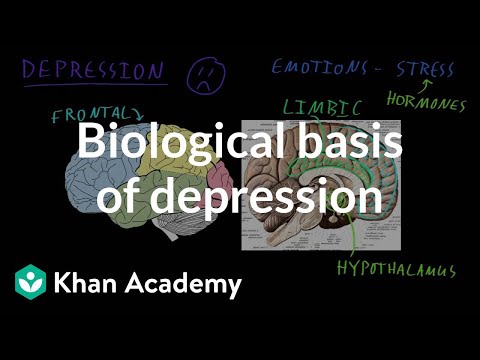
Then there’s the HPA axis, which stands for hypothalamic-pituitary-adrenal axis. Wow, that’s a mouthful! But it plays a crucial role in how our bodies respond to stress. When you’re stressed out—like when you’ve got exams coming up or work is piling on—you might notice your heart races or you sweat more. That’s your HPA axis going into overdrive! Chronic stress can mess with this system and lead to changes in brain function associated with depression.
And hey, did you know inflammation can also factor into this mix? That’s right! Some studies show that increased levels of inflammatory markers—those little signals that say “hey, we’re hurt!”—are often seen in people with depression. It seems like there might be a connection between how our body responds to stress or injury and our mood.
Genetics also plays a role here. If you have family members who’ve struggled with depression, your risk might be higher too. It doesn’t mean you’re doomed to experience it; rather, it’s like having a loaded dice set against you when life gets tough.
But wait! It’s not just biology; psychology matters too. We all have these things called cognitive patterns—basically how we think about ourselves and the world around us. Someone with negative thought patterns might view everything through a gloom-and-doom lens. This can create a vicious cycle where negative thoughts lead to feelings of worthlessness or hopelessness—which can then deepen their depression.
Here’s an important point: there’s no one-size-fits-all explanation. Not everyone experiences depression the same way or for the same reasons! It really varies from person to person based on their individual biology and life experiences.
Some folks find therapy helpful while others may need medication to help rebalance those neurotransmitters we talked about earlier. And sometimes it’s both! The whole process shows just how intricate human psychology is—like trying to solve a giant puzzle where all the pieces don’t seem to fit at first glance.
So next time someone shares they’re feeling depressed—or if you’re feeling that way yourself—remember: it’s not just “sadness.” It’s this complex web involving brain chemistry, genetics, environmental triggers—and yes—even thoughts we carry around every day.
Just thinking about all of this complexity brings me back to my childhood when I was fascinated by puzzles but so easily frustrated when they didn’t come together as I imagined they would; that’s kind of what understanding depression feels like sometimes—a jigsaw puzzle that defies easy solution but is so crucial for helping ourselves and others feel better again.
To wrap things up: remember understanding depression requires us to look at both its neurobiological mechanisms as well as its psychological underpinnings!
Understanding Depression: Insights from the Biological Approach in Scientific Research
So, let’s talk about depression. It’s a heavy topic, but unraveling it can help us understand what’s happening in our brains and bodies when we feel really low. You know, sometimes it feels like there’s a cloud just hovering over you that won’t go away. But what’s going on at a biological level? Let’s break it down.
Neurotransmitters play a big role in how we feel. These are chemicals in the brain that help transmit signals between neurons. Think of them as messengers delivering important notes around your brain. Some key players here are serotonin, dopamine, and norepinephrine.
- Serotonin: Often called the “feel-good” chemical, it helps regulate mood, sleep, and appetite. Low levels of serotonin have been linked to feelings of sadness and anxiety.
- Dopamine: This one’s involved in reward and pleasure pathways in the brain. If you’re not getting enough dopamine, you might find it hard to enjoy things you once loved.
- Norepinephrine: It affects attention and responding actions, so lower levels could influence how motivated or alert you feel.
But it’s not just about these chemicals being low; sometimes, it’s about the balance between them. Imagine trying to bake a cake but forgetting an ingredient or putting too much of another—it just won’t turn out right!
neuroplasticity. This is the brain’s ability to adapt by forming new connections throughout life. With depression, those connections can get weak or altered over time. An example? When someone goes through major life stressors—like losing a job or a loved one—it can literally reshape the brain’s wiring.
You might be thinking: how does that happen? Well, stress hormones like cortisol can flood your system during tough times. Too much cortisol for too long isn’t good for our brains; it’s like having too many weeds in your garden choking out healthy flowers!
A fun fact: some studies suggest that people who experience chronic stress might actually see physical changes in their brains! For instance, areas like the hippocampus—which is super important for learning and memory—can shrink when there’s constant high-level stress involved.
The biological approach also considers other factors like genetics. If someone in your family has struggled with depression, there might be a higher risk for you too. It’s not fate written in stone though; even if genetic predisposition exists, environmental factors play an equally significant role.
- Environment: Think about your surroundings—supportive friends vs. toxic relationships can really shape mental health outcomes.
- Lifestyle choices: Sleep patterns and diet also impact your mental health dramatically! Eating junk food? Staying up late? Those habits can affect those neurotransmitter levels we talked about earlier.
You know what else is interesting? The immune system! Some research has shown that inflammation in the body may also contribute to symptoms of depression—kind of wild when you think about how interconnected everything is!
The bottom line is this: depression isn’t just “all in your head.” There are real biological mechanisms at play that involve neurotransmitters, neuroplasticity changes due to stressors or trauma, genetics influencing risk levels, environmental impacts shaping our experiences—and even the immune system’s role can’t be ignored!
This understanding doesn’t mean we have all the answers yet; far from it! But it opens doors for better treatments and approaches down the line—like therapies targeting these specific mechanisms directly instead of taking a one-size-fits-all pill approach.
If only there were simple fixes for something so complicated! But by learning more about these biological aspects—and sharing this knowledge—we can start breaking down stigma around mental health issues together!
Understanding the Pathophysiology of Depression: Insights from Neuroscience and Biology
Depression is, you know, more than just feeling sad. It’s a complex condition with some pretty intricate mechanisms going on in our brains and bodies. So let’s break it down a bit.
First off, the neurotransmitters play a major role here. These are chemical messengers in our brain that help transmit signals between neurons. When we talk about depression, the big players are serotonin, dopamine, and norepinephrine. If these guys are off balance, it can lead to issues like mood changes and lack of motivation.
- Serotonin: Often dubbed the “feel-good” neurotransmitter, low levels can lead to anxiety and sadness.
- Dopamine: This one’s all about pleasure and reward. When you’re down, its levels drop too.
- Norepinephrine: This one is linked to alertness and energy; low levels make you feel sluggish.
You may have heard of the “stress response.” Well, stress can crank up our bodies’ production of cortisol—another hormone that gets things stirred up when we’re anxious or afraid. Too much cortisol can mess with not only your mood but also your brain structure over time!
The connections between neurons, or synapses, are super important too. Think of them as little bridges that allow information to flow in your brain. In people with depression, studies show that these connections can actually weaken over time. It’s like if you had a favorite bridge in town that kept getting smaller until it was just too rickety to cross.
Inflammation is another piece of this puzzle. Recent research has found links between inflammation in the body and feelings of depression. Basically, when our immune system is on high alert for too long (like if you’re always stressed), it can trigger inflammatory responses that affect how we feel emotionally.
This whole thing hits home for me when I think about my friend who went through some tough times a few years back. She was always tired but couldn’t sleep well at night—classic catch-22! It took her a while to realize it was more than just being overwhelmed; there were some biological factors at play too!
Genetic factors, oh boy! Genetics also play a role in how susceptible someone might be to depression. If someone in your family has struggled with mental health issues, your risk goes up as well. It doesn’t guarantee anything but definitely adds another layer.
The environment also impacts this whole scene—like where you grow up or traumatic experiences you’ve faced can influence mood regulation later on in life.
- Toxic environments: Living in stressful conditions can alter brain chemistry over time.
- Your support system: Positive relationships might help buffer against symptoms!
The bottom line? Depression is not just “in your head.” It’s got roots deep in biological processes all tied into the complex web of our brain chemistry and body responses. Understanding this stuff helps us see why treatment options range from therapy to medications aimed at balancing those neurotransmitters and calming inflammation.
The science behind all this makes me hopeful though! As we dig deeper into mechanisms involved in depression through neuroscience and biology, we’re bound to find better ways to help those struggling find their way back to brighter days.
You know, depression is one of those things that seems almost too complicated to wrap your head around. It’s not just feeling sad or down for a few days; it’s like being trapped in this heavy fog that won’t lift. I remember a friend of mine went through a really tough time, and it was heart-wrenching to see them struggle. They weren’t just having a bad day; they felt like they were stuck in quicksand, with every little thing making it harder to escape.
So, what’s actually going on in our brains when we talk about depression? Well, the thing is, it involves a whole mess of biological mechanisms. We’ve got neurotransmitters like serotonin and dopamine, which are basically the brain’s messengers—you could think of them as the joy pixies. When these aren’t balanced right, they can send you spiraling down into those dark places.
But it’s not just about chemicals! There’s also the brain structure that plays a role. Some studies show that certain areas of the brain, like the prefrontal cortex and amygdala, can become less active or change when someone’s depressed. Can you imagine? The very parts of your brain responsible for processing emotions and making decisions might start acting all funky when you’re feeling low.
Then there’s genetics and past experiences… yeah, it gets real personal real fast. If someone in your family struggled with depression or if you’ve faced trauma yourself, these factors can set off a whole chain reaction in your brain chemistry. It’s like waking up one morning to find out your body’s operating system has a glitch without any clear reason why.
And let’s not forget inflammation! Research has shown that some people dealing with depression have higher levels of inflammatory markers in their blood. It’s crazy how something so abstract as inflammation can play into something as tangible as mood disorder.
At the end of the day, unraveling this intricate web isn’t just an academic exercise—it has profound implications for how we treat people suffering from depression. Different paths might lead to recovery for different folks; while some might benefit from medication targeting neurotransmitters, others may need therapy focusing on emotional processing or lifestyle changes.
It’s all interconnected—your biology impacting emotions while life experiences shape biology—and understanding this makes us more compassionate toward ourselves and others who are struggling. If we look deeper into these biological mechanisms instead of seeing depression simply as “just sadness,” maybe we can help light up someone’s way through their foggy days. Wouldn’t that be something?