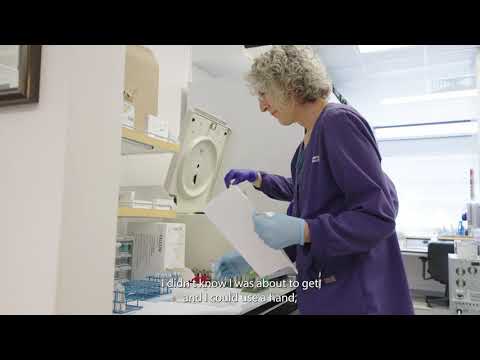
You know, the other day I was at the doctor’s office, scrolling through my phone, when I stumbled upon this amazing fact: clinical pathology has seriously taken off in the last few years! Like, it’s transformed so much that it feels like we’re living in a sci-fi movie.
Picture this: doctors now have access to zillions of tests and technologies that help them figure out what’s wrong with us faster than you can say “blood sample.” It’s wild!
I mean, think about how much we rely on these advancements. They can mean the difference between catching something early or letting it slip through the cracks. So cool, right?
And honestly, when you peel back the science behind all this stuff, it gets even more exciting. You’re not just looking at numbers and tubes; you’re seeing lives changed. Isn’t that what it’s all about? Let’s chat more about how these advancements are reshaping the medical landscape!
Exploring Innovations in Pathology: Advancements Shaping the Future of Medical Science
So, let’s talk about pathology for a sec. This field is all about understanding diseases by looking at tissues, organs, and body fluids. Kind of like detective work but with a lab coat, right? Recent innovations are seriously shaping how we understand and treat medical conditions. And it’s not just slight improvements; we’re talking about game-changing stuff!
One major advancement is digital pathology. It’s like the world went from VHS to Netflix overnight! Instead of squinting at slides under a microscope, pathologists can now analyze high-resolution images on screens. This transition makes things faster and allows for better collaboration among specialists. Imagine two experts on opposite sides of the world discussing a tricky case in real-time over digital images—that’s happening now!
Another exciting area is artificial intelligence (AI). AI algorithms can quickly process loads of data and help identify patterns that even seasoned pathologists might miss. For example, AI can assist in detecting cancer cells more accurately in biopsy samples. It’s like having a super-smart buddy who never gets tired and can sift through thousands of images in minutes.
Biomarkers are also making waves. These are biological molecules found in blood or tissues that indicate the presence of a disease. They allow for more personalized treatment plans; think tailored medicine that fits you like a glove instead of one-size-fits-all approaches. Like if you’re diabetic and have specific markers, doctors can adjust your treatment based on your unique profile.
- Liquid biopsies: A non-invasive way to assess cancer progression or response to treatment by analyzing blood samples rather than traditional tissue biopsies.
- Genomic profiling: This helps understand which genes might be involved in your disease, opening doors to targeted therapies that directly attack those genetic culprits.
You know, I remember my grandfather had cancer a few years back. His doctors were trying out various treatments based on typical protocols. Now? With genomic profiling and liquid biopsies becoming more common, he could’ve had a treatment plan specifically designed for his particular type of cancer. That really hits home how these innovations can change lives.
The future looks bright! With constant research and development going on, we’re likely to see even more radical changes soon—think better diagnostics and targeted therapies that save time and lives alike! The confluence of technology with traditional pathology is paving the way for an era where diseases aren’t just treated—they’re understood at their core.
This transformation isn’t just about technology; it’s also about enhancing patient care experience overall. Faster diagnoses mean earlier interventions, leading to better outcomes! And everyone knows that when you catch something early enough, it often means the difference between life and death.
The thing is, as these advancements continue rolling out, it’s crucial to ensure they’re accessible to everyone—not just those with deep pockets or in cutting-edge hospitals! So while we celebrate these advancements shaping the future of medical science, let’s also keep pushing for equitable access to these amazing tools!
Transforming Forensic Pathology: The Impact of Recent Technological Advancements in Science
Forensic pathology is like the original detective work but with a twist of science. It plays a critical role in solving crimes, helping us understand what happened to someone after they’ve passed away. Now, with all these cool technological advancements popping up, it’s changing the game in some pretty wild ways.
First off, let’s talk about imaging techniques. Traditional autopsies are essential, but now we have technologies like CT scans and MRIs that are game-changers. They help pathologists see inside the body without making any cuts. Imagine being able to get a complete picture of injuries or diseases without even touching the body! Pretty neat, huh?
Next up is DNA analysis. If you think about it, DNA is like a treasure map of information. Recent advancements have made DNA testing faster and more sensitive. This means that even tiny samples found at crime scenes can lead us to the right culprit. You remember those crime shows where they find a hair strand and magically solve everything? Well, it’s not far from reality nowadays.
And then there’s digital forensics. The rise of digital evidence can’t be overlooked. We’re not just looking at bodies anymore; we also analyze computers and phones for clues. Pathologists are working closely with tech experts to gather all sorts of data from digital devices—that could range from texts to images—pretty much everything that could paint a picture of someone’s last moments.
Another fascinating aspect is artificial intelligence. Yep! AI is stepping into forensic pathology too! It helps in analyzing patterns in data that might take humans ages to sort through. Think about how quickly your phone recognizes faces or tells you what’s in a photo; AI can assist pathologists by detecting subtle changes or anomalies that indicate cause of death.
Also worth mentioning: 3D printing technology. This might sound odd, but researchers can create 3D models of injuries based on autopsy findings. This allows not just for clearer visualization but also for better courtroom presentations when explaining complex cases to juries who might not understand all the medical jargon.
Finally, let’s touch on collaboration across fields. With these advancements comes an increased need for teamwork between forensic pathologists and other specialists—like toxicologists and digital forensics experts—making investigations more thorough than ever before. It’s kind of like assembling the ultimate superhero team!
In summary, transforming forensic pathology through recent technological advancements really does change everything:
- Imaging techniques
- DNA analysis improvements
- Emergence of digital forensics
- The role of artificial intelligence
- 3D printing technology
- The importance of collaborative efforts across disciplines
It’s amazing how science keeps pushing boundaries, giving us tools that help solve mysteries more accurately and efficiently than ever before! So, next time you think about forensic work, remember it isn’t just chalk outlines and magnifying glasses anymore—it’s cutting-edge tech saving lives long after they’ve ended.
Exploring Advanced Pathology: Key Topics and Areas of Focus in Medical Science
Advanced Pathology is an exciting frontier in medical science, and it’s all about understanding disease at a deeper level. You see, pathology isn’t just about identifying diseases; it’s also about figuring out how they work and what we can do to treat them. There are some key areas we should definitely touch on.
1. Molecular Pathology
This field combines biology and pathology to study diseases at the molecular level. It’s like looking at the tiniest pieces of a puzzle to see how they fit together. Using techniques like DNA sequencing, researchers can identify genetic mutations responsible for conditions such as cancer. Imagine being able to pinpoint exactly why someone’s cells are behaving abnormally—cool, right?
2. Digital Pathology
Technology is transforming pathology in amazing ways! Digital pathology uses computer systems to analyze tissue samples instead of traditional methods. This means you can store and share slides online, making it easier for pathologists around the world to collaborate. Think of it as having a virtual lab where experts can examine samples together from different places!
3. Immunopathology
This area focuses on how our immune system responds to diseases. Sometimes our immune system goes a little haywire and attacks healthy tissues instead of just targeting infections—like in autoimmune disorders such as lupus or rheumatoid arthritis. By studying these responses, scientists aim to develop therapies that can help regulate the immune system better.
4. Hematopathology
Hematopathologists look specifically at blood-related conditions, including various types of leukemia and lymphoma. These specialists analyze blood samples, bone marrow biopsies, and lymph nodes under the microscope to understand what’s going wrong with blood cells.
5. Cytopathology
Cytopathology involves studying individual cells rather than whole tissues, which is super handy for early detection of cancers like cervical cancer through Pap smears or lung cancer via sputum tests. It’s all about catching those nasty cells before they have a chance to spread.
These advancements in clinical pathology aren’t just high-tech jargon; they’re changing lives every day! Consider this: with molecular techniques today, doctors can tailor treatments specifically based on an individual’s genetic makeup instead of using a one-size-fits-all approach.
In essence, advanced pathology is paving the way for more precise and personalized medicine strategies. This means better outcomes for patients because treatments are not just effective but also more targeted—increasing their chances of recovery while minimizing side effects.
So yeah, advanced pathology plays a crucial role in modern medicine by continuously evolving with technology and deeper scientific understanding! It’s super exciting stuff that really shows us what’s possible when science meets compassion!
When I think about clinical pathology, I can’t help but remember my first visit to a lab. It was like stepping into a different world, filled with beeping machines, mysterious liquids, and the faint smell of antiseptic. I was both intimidated and fascinated. The scientists there were like detectives, piecing together clues from blood samples and tissues to figure out what was going on inside someone’s body.
So anyway, let’s talk about how things have changed in that field over the years. As technology has advanced, clinical pathology has really leaped forward. Remember when getting a diagnosis could take days or even weeks? Now we’ve got super quick tests and advanced imaging techniques that allow doctors to make decisions faster than ever. That’s a lifesaver! More accurate tests mean earlier detection of diseases like cancer, which is kind of a big deal when you think about it.
But it’s not just speed; it’s also about precision. There are these new tools called biomarkers—like little indicators in your body that can tell us a ton about your health status. Imagine having a test that’s tailored to your specific situation instead of something one-size-fits-all—it’s revolutionary! This means treatments can be customized more effectively, and patients can hope for better outcomes.
However, with all this tech and data flying around comes responsibility. Ethical considerations are huge in this area now more than ever. You’ve got issues around consent, privacy, and how we handle genetic information that could affect not just individuals but entire families. Sometimes it feels like we’re teetering on the edge between amazing progress and potential misuse.
I remember chatting with a friend whose life was saved by one of these advancements in clinical pathology—she had no real symptoms until one day she went for her routine check-up. The doctors used some new diagnostic techniques that spotted an issue before it became serious. Hearing her talk about her experience hit me right in the feels; it made all those scientific breakthroughs feel real.
So yeah, while advancements in clinical pathology are reshaping what healthcare looks like today, they’ve also sparked crucial conversations about ethics and the human side of science. It’s an exciting time for medicine but also one that requires careful navigation through both opportunities and challenges ahead!