You know that moment when you’re at a concert, and the lead singer looks right at you? You feel like a rock star, right? But then you realize your ear is totally plugged up. Ugh, the struggle!
Well, let’s talk about those ears of ours. They might seem like just some funky shapes on the sides of our heads, but there’s so much more going on! Seriously.
The outer ear is like this cool, intricate little structure that plays an important role in how we hear. And it’s not just about catching sound; it’s about protecting and directing those vibrations into our ears. Sounds simple, but trust me, it’s fascinating!
So come with me as we dive into the anatomy of the outer ear. We’ll get to know its crazy cool parts and discover how they work together to help you bop along to your favorite tunes—concert or no concert!
Exploring the Structure of the Human Ear: A Comprehensive Explanation
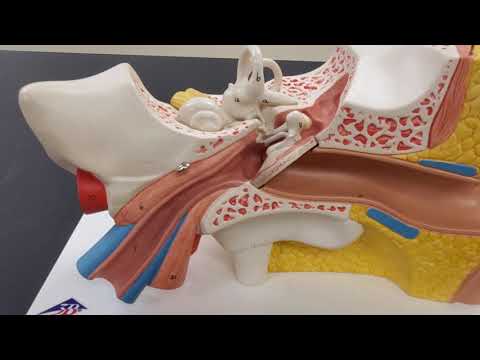
The human ear is one of those amazing structures that, when you really think about it, is like a tiny acoustic wonderland. From hearing the soft chirping of birds to blasting your favorite tunes, our ears are working hard all the time. Let’s break down the key parts of this incredible sensory organ.
Outer Ear
This is where it all begins! The outer ear consists mainly of the pinna and the ear canal. The pinna is that visible part of your ear—the fleshy bit that sticks out. It catches sound waves from the environment and funnels them into your ear canal. Think of it as a satellite dish, picking up all those sounds around you.
The ear canal, which is about 2.5 centimeters long in adults, directs these sound waves toward the eardrum. It’s lined with skin and has tiny hairs and waxy secretions to keep things clean and protect against dust or bacteria. Isn’t that neat?
Eardrum
Next up on our tour is the eardrum, or tympanic membrane. This thin membrane vibrates when sound waves hit it. Imagine a drum being struck—this vibration sends signals deeper into your ear structure for processing. If you’ve ever had an ear infection or punctured an eardrum, you know how sensitive this part can be!
Middle Ear
Now we move into the middle ear! Here’s where things get a little more complicated but still super cool. This section has three tiny bones known as ossicles: the malleus (hammer), incus (anvil), and stapes (stirrup). These bones amplify sound vibrations from the eardrum and transmit them to the inner ear.
Think about this for a second—these little bones are some of the smallest in your body, yet they do such big work! When they vibrate, it’s like passing along a message through a chain reaction.
Eustachian Tube
Oh, and don’t forget about the Eustachian tube! It connects your middle ear to your throat and helps equalize pressure on either side of your eardrum. You know that feeling you get when you’re going up or down in an airplane? That’s pressure changing! Chewing gum or yawning helps open up that tube so everything balances out.
Inner Ear
Finally, we reach probably one of the most fascinating parts—the inner ear. This contains two crucial structures: the cochlea and the vestibular system. The cochlea looks like a snail shell! Inside it’s filled with fluid and hair cells that move in response to sound vibrations. This movement gets converted into electrical signals sent to our brain—hello music!
Meanwhile, the vestibular system controls balance by detecting motion through its semi-circular canals filled with fluid too. If you’ve ever felt dizzy after spinning around too fast? That’s your vestibular system working overtime!
So yeah, standing back to look at it all feels pretty amazing! The entire journey—from catching sounds in our outer ear to sending signals off to our brain—is intricate and beautifully designed.
In short, our ears are not just simple hearing devices; they’re complex systems that allow us to experience life through sound in such rich ways! So next time you hear someone talking or listen to music pumping through your headphones, take a moment to appreciate just how awesome your ears really are!
Exploring the Anatomy and Function of the Pinna Ear: Insights from Science
The pinna, or the outer part of your ear, is more than just a cool shape you see sticking out of people’s heads. It’s got some serious job to do! So, let’s take a closer look at what this fascinating structure is all about.
First off, what is the pinna made of? Well, it’s mostly made up of cartilage—a flexible material that gives it that squishy feel. That’s why when you tug on your ear, it bends. Imagine if it were made of bone; that would hurt a lot more!
Now, let’s talk about its shape. The pinna has these ridges and curves that are not just for decoration. They help capture sound waves from the environment. You know when someone whispers to you from behind? Your ears can pick up those sounds pretty well! This nifty design helps funnel sound waves down into the ear canal.
But there’s more to it. The pinna also plays a role in localizing sound. Ever notice how you can tell where a sound is coming from? That ability comes in part from how the pinna interacts with those sound waves. If a sound comes from above or below, your brain can read those slight differences in how sound hits each ear—thanks to the unique shape of your pinna!
And get this—your ears are also pretty good at filtering out certain noises! Just think about it: if you’re at a busy café and want to focus on your friend’s voice, your pinna helps filter out some background chatter so you can hear better. Pretty cool, huh?
However, not everyone is born with a “perfect” pinna shape. Some people have what you might call “prominent ears” which stick out more than usual. This doesn’t hinder hearing but sometimes makes folks feel self-conscious about their appearance.
So how does all this relate to health? Well, if you’ve ever gotten an ear infection or had wax buildup, that’s where the outer ear plays its part too! It’s important for keeping dirt and bacteria outta our ears so we don’t run into trouble later on.
In summary, the pinna might look simple but it does some remarkable work every day without us even realizing it! It’s like having a little superhero on the side of your head—always ready to catch sounds and help you enjoy music or hear your favorite stories better!
Exploring Pinna Ear Function: Anatomy, Physiology, and Its Role in Sound Localization
So, you know those cool outer ears of yours? They’re called **pinnae**, and they play a huge role in how you hear the world around you. Let’s explore their anatomy, physiology, and how they help us locate sounds.
First off, the **anatomy of the pinna** is pretty fascinating. It’s made up of cartilage, which is like the stuff your nose is made of but shaped into that unique ear form we all have. The folds and curves have names like the helix (the outer rim) and the tragus (the little bump in front). All these shapes aren’t just for looks; they actually help catch sound waves.
Now, when it comes to **physiology**, things get even cooler. Sound waves hit your pinna and bounce around that intricate structure before traveling down into your ear canal. This makes it easier for your brain to process where sounds are coming from. Think about it: have you ever heard someone call your name from behind? That’s partly thanks to your pinna helping to funnel those sound waves just right!
One important job of the pinna is **sound localization**—this means figuring out where a sound is coming from. If someone is talking to you from your left, your left ear picks up that sound a tiny bit sooner than your right ear does due to its position. Your brain uses this timing difference along with other clues, like the way sounds change as they hit different parts of the pinna, to pinpoint where the sound is originating from.
But here’s a real-life example: imagine yourself at a concert surrounded by people chatting and music blasting. With both ears working together and picking up subtle differences in timing and intensity thanks to the shape of your pinnae, you can actually focus on one conversation while kind of blocking out everything else! Isn’t that wild?
Also, there’s something called **head-related transfer function (HRTF)** at play here too. Basically, it refers to how sound interacts with our head and ears before reaching our inner ear – that’s where all that brain processing happens! The unique shape of our pinnae contributes significantly to this process.
And what if there were no pinnae? I mean, just imagine being unable to determine if someone was behind or in front of you—yikes! Your life would turn into an awkward guessing game every time someone spoke. Crazy thought!
To wrap things up, those funky shapes on either side of your head aren’t just for decoration or styling; they’re key players in how you hear and understand the world around you! So next time you’re listening closely or having a chat in a noisy place, give some credit to those amazing little structures we call **pinnae**—your ears are doing some seriously cool work!
Alright, let’s chat about the outer ear. You know, that part of your body we often don’t think much about until something goes wrong? I remember one time, my friend Sam got an ear infection, and I swear it felt like he was living on a different planet! He couldn’t hear properly, and it just made me realize how crucial this little structure is.
So basically, the outer ear is like a funnel for sound. It’s made up of the part everyone can see—called the pinna or auricle—and the ear canal. The pinna is that fleshy part that sticks out from your head. It has this cool shape that helps capture sound waves from all around us, like it’s summoning them to come closer.
Then there’s the ear canal. It’s a tube running from the outside of your head to your eardrum. Think of it as a little highway for sound waves. When those waves travel down this canal and hit your eardrum, they make it vibrate. And when that happens? Well, it sets off a chain reaction inside your ear that helps you hear all kinds of sounds—from birds chirping to your favorite songs.
Fun fact: The skin lining this canal produces wax. Yeah, earwax! It’s not just gross; it actually protects your ear by trapping dust and debris. So every time you feel like cleaning out your ears with Q-tips (which you probably shouldn’t do), remember that your body has its own way of keeping things clean!
But back to Sam… when he had that infection, his outer ear became swollen and painful, which reminded me how sensitive these structures can be. It’s not just about hearing but also about protecting ourselves from infections or foreign objects getting in there.
To wrap things up—pun intended—you might not give much thought to how sound reaches you everyday or what happens when something goes awry in your outer ear. Yet this simple anatomy works hard for us day in and day out! Next time you’re listening to music or chatting with someone, take a second to appreciate those funky little shapes on either side of your head!