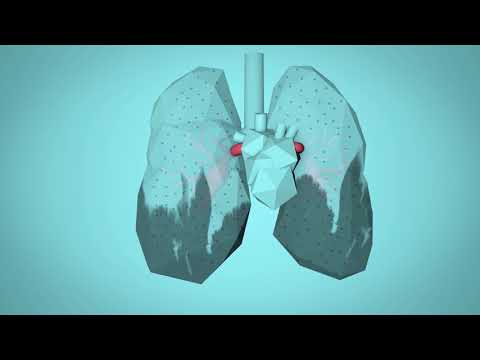
So, the other day, I was walking outside and I saw this poor pigeon with a little mask on—it looked like it was trying to follow health guidelines or something! Seriously though, air pollution isn’t just some boring topic you read about in science class. It’s real, it’s around us, and it affects everything from how we breathe to the environment we live in.
I mean, think about it. Every time you take a deep breath, you might be inhaling more than just fresh air. You’re probably taking in a bit of dirt, smoke, and who knows what else. Crazy, right? And it’s not just annoying; it can make you feel tired, sneezy, or even worse over time.
Let’s chat about why that matters. Spoiler alert: It’s not all doom and gloom. There’s hope! But first off, let’s break down what air pollution really is and how it creeps into our lives without us even realizing it. Sound good?
Impact of Air Pollution on Environmental Health: A Scientific Analysis
Air pollution is a big deal, and its impact on environmental health is something that’s hard to ignore. You know that murky haze you see hovering over a city? That’s not just a bad hair day for the atmosphere; it’s a cocktail of nasty stuff that can lead to serious health issues—both for people and the planet.
So, what exactly is going on in our air? Well, air pollution comes from various sources like vehicles, factories, and even natural events like wildfires. When these pollutants—think particulate matter, nitrogen oxides, and sulfur dioxide—hang around in the air too long, they start messing with everything.
Let’s break down some key impacts on environmental health:
- Affects Human Health: Breathing in this polluted air can lead to all sorts of health problems. The World Health Organization estimates that millions of people die each year from diseases linked to air pollution, including lung cancer and heart disease.
- Harms Wildlife: Animals aren’t safe either. Birds may have trouble finding food or nesting sites in polluted areas. Think about it: when habitats are compromised by pollution, it disrupts entire ecosystems.
- Worsens Climate Change: Some pollutants actually help trap heat in the atmosphere. Gases like carbon dioxide and methane contribute to global warming, which alters climates everywhere.
- Affects Water Quality: When rain falls through polluted air, it can lead to acid rain. This acidic mix can harm lakes and rivers—killing fish and altering aquatic ecosystems.
- Impacts Agriculture: Pollution doesn’t just float above; it settles on crops too! This can reduce yields or even contaminate food supplies with harmful substances.
One time I went hiking near a city known for its smoggy skies. The difference between the crisp mountain air at the top and the thick haze below was shocking! I could almost feel my lungs sighing with relief at being away from all that junk. It reminded me how vital clean air is—not just for us but also for all living things sharing this planet.
And while you might think costly solutions are needed to tackle this problem—like expensive technology or complicated regulations—sometimes it’s just about awareness and community action. Simple things we do daily can help reduce emissions; carpooling or using public transport makes a real difference.
To wrap up this chat: air pollution has serious implications for both human health and environmental well-being. It’s crucial we take steps toward cleaner air since it’s not just about breathing easy—it’s about our collective future! So next time you step outside, take a moment to appreciate that fresh breeze (and maybe think about how we can keep it around).
Examining the Impact of Air Pollution on Human Health and Environmental Sustainability: Key Conclusions and Insights
Air pollution is a big deal, and frankly, it affects us all. Whenever you step outside, there’s a chance you’re breathing in stuff that’s not good for you. So, let’s break down how this whole situation impacts both our health and the planet.
Health Impacts
First off, air pollution is linked to some pretty serious health issues. We’re talking about respiratory problems like asthma or chronic bronchitis. When you inhale polluted air, your lungs can get irritated and inflamed. I remember when my cousin moved to a city with bad smog; he started coughing like crazy after just a few weeks. It’s no joke!
And let’s not forget about heart disease. Fine particles in the air can sneak into your bloodstream, making your heart work overtime. This can lead to problems like heart attacks or strokes over time. Yeah, it’s alarming!
Vulnerable Populations
Some people are more at risk than others too! Kids and elderly folks often feel the effects more intensely because their bodies aren’t as resilient, you know? Plus, people with pre-existing conditions like diabetes or existing lung issues are just sitting ducks when it comes to bad air.
Environmental Impact
Now shifting gears to the environment—air pollution doesn’t just hurt our health; it’s messing with Mother Nature as well! First off, it’s contributing to climate change. Air pollutants like carbon dioxide trap heat in the atmosphere, leading to global warming—yeah, that thing we always hear about.
Also, air quality plays a huge role in ecosystems. For instance, acid rain forms when sulfur dioxide mixes with water vapor in the atmosphere. This rain can damage trees and soil and harm water bodies too! Plus it affects wildlife habitats.
Long-term Consequences
The long-term consequences of poor air quality are staggering! Think about how many generations will be affected if we don’t clean up our act? Air pollution can even affect crop yields by harming plants directly or changing weather patterns.
While some might think “it doesn’t affect me,” it absolutely does! Climate change leads to erratic weather patterns—floods one minute and droughts the next—as if Mother Nature’s having a bad day! These changes make it harder for farmers to grow food which impacts everyone.
In short—air pollution is seriously sticky stuff affecting both us humans and our beautiful planet in ways we can’t ignore anymore. We need collective action now more than ever! Implementing cleaner technologies or reducing emissions could make a world of difference—for our health and our environment alike.
So let’s keep chatting about this topic because awareness is the first step toward making real changes that benefit us all!
Understanding Air Pollution: Causes, Effects on Human Health, and Environmental Impact
Air pollution is one of those things that’s all around us, but we often don’t think about it until we’re coughing or our eyes sting. So what exactly is it? Well, air pollution happens when harmful substances are released into the air we breathe. These can be gases, dust particles, or even smoke.
Causes of Air Pollution
There are many culprits behind air pollution. Some of the most common causes include:
- Vehicle Emissions: Cars, trucks, and buses release carbon monoxide and nitrogen oxides as they burn fuel. Think about how thick the air can feel in a busy city during rush hour.
- Industrial Discharges: Factories often emit a variety of pollutants into the atmosphere when they produce goods. This can include anything from sulfur dioxide to volatile organic compounds.
- Agricultural Activities: Pesticides and fertilizers used on crops can release ammonia into the air. Those chemicals may help crops grow but at what cost?
- Burning Fossil Fuels: Power plants that rely on coal or oil produce tons of pollutants that can linger in the air for miles.
- Household Products: Yeah, even stuff like paints or cleaning supplies can release volatile substances that contribute to indoor air pollution.
So basically, our everyday activities—from driving to cleaning—can create pretty nasty air quality.
Effects on Human Health
Now let’s talk about how this affects us. Breathing in polluted air can have some serious repercussions for our health:
- Respiratory Issues: Asthma rates have skyrocketed in places with high pollution levels. Just imagine struggling for breath during a simple jog!
- Cancer Risks: Long-term exposure to certain pollutants has been linked to increased cancer rates, particularly lung cancer.
- Cognitive Impacts: Studies show that children exposed to high levels of air pollution may experience developmental issues and lower IQs.
- Cardiovascular Problems: Polluted air makes your heart work harder! This could lead to heart disease and other complications down the line.
It’s kind of shocking when you realize how much control you don’t have over something as essential as breathing clean air.
Environmental Impact
But it’s not just about us humans; pollution takes its toll on the environment too:
- Ecosystem Damage: Plants suffer from poor-quality air which affects photosynthesis—a crucial process for life on Earth.
- Acid Rain: When certain pollutants mix with rainwater, they create acid rain that harms lakes, rivers and soil.
- Toxic Smog Formation: Remember those smoggy days? That thick blanket is not just ugly; it severely hampers photosynthesis for plants.
- Biodiversity Loss: Many species struggle to survive in polluted environments leading to declines in biodiversity. Losing wildlife changes everything!
Essentially, polluted air creates a ripple effect that goes beyond just our health—it impacts ecosystems and biodiversity.
Air quality is an ongoing concern worldwide; every breath we take matters! Tackling air pollution requires collective effort—be it through cleaner transportation options or using less harmful products at home. It’s time we start paying attention because fresh air should be everyone’s right!
Air pollution is one of those things that kinda sneaks up on you. You go about your day, and maybe you notice a haze over the skyline or a bit of that funky smell in the air. But it’s easy to brush it off, right? So many other things to worry about! But let me tell you, its effects on our health and the environment are way more serious than we often give credit for.
Just think about it for a second. The air we breathe is filled with tiny particles and gases from cars, factories, and even those pesky wildfires. When we inhale these pollutants, they don’t just hang out in our lungs—they can travel throughout our bodies. You know how sometimes you feel really tired or have headaches after spending time in a polluted area? That’s no accident. Those particles can mess with your heart, mess with your lungs, and honestly, just ruin your day.
I remember a time when I went on a trip to a really big city. I was all excited to explore but ended up feeling sluggish and had this nagging cough by the end of the day. It was like my body was waving a little flag saying, “Hey! What’s going on here?” It wasn’t until later that I learned about smog and how cities can trap pollution in the air, especially during certain weather conditions. Ugh!
And let’s not ignore what happens to our beloved planet because of this mess either. Trees are kinda like nature’s air purifiers; they help absorb some of those nasty pollutants. But when air quality takes a nosedive, guess what? Those trees also get stressed out! They can struggle to grow which affects wildlife habitats too—kinda like throwing off an entire ecosystem.
So yeah, we might not think about air pollution every single day as we rush around living life, but it’s there—affecting us more than we realize. Being aware is the first step towards change! Let’s keep our eyes open for cleaner alternatives and support efforts aimed at reducing pollution levels wherever we can. Because taking care of our health means taking care of our planet too—you follow me?