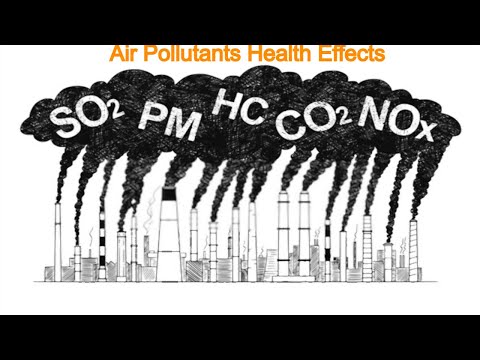
You know those days when you step outside and it feels like the air is thicker than peanut butter? Well, that’s not just your imagination! It could be nitrogen oxides getting cozy in the atmosphere.
Yeah, nitrogen oxides—sounds super fancy, huh? But these little buggers can actually mess with our air quality and health.
Picture this: you’re cruising down the street on a sunny day, windows down, music blaring. The fresh breeze feels awesome, right? But what if I told you that every honking car around you is puffing out these gases? Kinda ruins the vibe, doesn’t it?
Stick around as we untangle this whole nitrogen oxide thing and its not-so-cool effects on our lungs and the planet. You might find it’s way more important than it sounds!
Exploring the Effects of Nitrogen Oxide on Air Quality: A Scientific Perspective
Air quality is a hot topic these days, right? One of the big players in this arena is nitrogen oxide, often abbreviated as NOx. So, what’s the deal with nitrogen oxides, and why should we even care?
Let’s break it down a bit. Nitrogen oxides are a group of gases made up mostly of nitric oxide (NO) and nitrogen dioxide (NO2). They’re produced when fuels are burned at high temperatures. Think car engines, power plants, and even some industrial processes. So every time you see traffic on the highway or hear the hum of an electric generator, know that nitrogen oxides might be lurking around.
Now here’s where it gets interesting: nitrogen oxides play a dual role in our atmosphere. On one hand, they can contribute to air pollution. You know, when you’re out on a smoggy day and you can taste that funky air? That bad stuff is partly due to NOx. These gases react with other pollutants and sunlight to create ground-level ozone—a major component of smog.
But wait! There’s more! Ground-level ozone isn’t just bad for the environment; it’s also detrimental to our health. People with asthma or other respiratory conditions can really suffer when ozone levels spike. And let’s not forget about healthy folks—high ozone levels can still cause problems like lung irritation and reduced lung function.
Speaking of health, long-term exposure to elevated levels of nitrogen dioxide has been linked to serious issues like respiratory infections, especially in children. Research shows that kids living near busy roads tend to have higher rates of wheezing and asthma attacks. That stuff hits close to home for many parents.
Now let’s talk briefly about how we measure this stuff because it’s super important for tracking air quality. Air quality monitoring stations collect data on various pollutants, including NOx. They help us understand trends over time—like how well laws aimed at reducing emissions are working—or if we’re heading in the wrong direction again.
So why aren’t things clearer? Well, not all nitrogen oxides behave the same way under different conditions—temperature shifts, humidity changes—these factors can all influence their effects on air quality and health outcomes.
And here’s a fun fact for you: reducing nitrogen oxide emissions isn’t just about cleaner air; it could potentially help combat climate change too! That’s because some reactions involving NOx lead to greenhouse gases like carbon dioxide—and every little bit counts!
In summary, nitrogen oxides might not be something you think about daily—but they have serious implications for both our environment and our health. By understanding their role better, we can make more informed choices about energy use and pollution control.
So next time you’re stuck in traffic or powering up your device, just remember: that innocent-looking exhaust could be releasing some tricky gases into the air! Let’s keep learning about this stuff—it really matters more than we might think!
Exploring the Health Impacts of Nitrogen Oxides: An Overview of Environmental Science Perspectives
Alright, let’s break down this whole nitrogen oxides (NOx) thing and how it messes with our health and air quality. So, nitrogen oxides mainly come from stuff like cars, factories, and even wildfires. When these gases hang out in the air, they can cause some serious problems.
First off, what are nitrogen oxides? Well, they are a group of gases that includes nitric oxide (NO) and nitrogen dioxide (NO2). You might hear about them a lot in discussions around air pollution. And these little guys can be pretty sneaky—they form when fuel is burned at high temperatures. Think of your car engine or power plants—they’re big culprits!
Now, why should you care? Because exposure to NOx can lead to a range of health issues. Here’s the thing: when you inhale these gases, they can irritate your lungs. This means if you’re asthmatic or have any breathing troubles, those pollutants don’t make things better. They can cause symptoms like coughing and wheezing.
- Short-term effects: These include increased asthma attacks and respiratory infections.
- Long-term exposure: Living in areas with high NOx levels could lead to chronic respiratory diseases and even cardiovascular problems.
I remember a time when I visited a city known for its heavy traffic. Just walking along the street felt uncomfortable—like something was stuck in my throat. That’s kind of what people living in polluted areas deal with daily!
And it’s not just humans who suffer. Animals and plants also feel the impact of nitrogen oxides. For example, NO2 can react with other pollutants to form ground-level ozone—a nasty component of smog that affects both wildlife health and vegetation growth.
You might be wondering: “How do we know all this?” Well, environmental scientists conduct tons of studies measuring air quality in different regions over time. They monitor hospital admission rates alongside pollution levels to see how they correlate. It’s a bit like being detectives for public health.
- The EPA, or Environmental Protection Agency, keeps tabs on NOx emissions across the country. They set limits to help protect our air quality.
- This monitoring helps: inform policies that aim to reduce emissions from vehicles and industrial sources.
The bottom line is that nitrogen oxides are no joke when it comes to air quality and our health. So next time you hear about them on the news or a report about air pollution, remember: it affects more than just the environment—it impacts your well-being too!
If we want cleaner air—and healthier lives—we need to keep talking about reducing those emissions! It’s up to all of us to stay informed about what’s happening outside our windows! After all, we want fresh air for ourselves and future generations.
The Dangers of Inhaling Nitrogen Oxide: Scientific Insights into Health Risks and Environmental Impact
So, let’s talk about nitrogen oxide (NOx) for a minute. It’s one of those sneaky pollutants that can mess with both your health and the environment. You might not notice it right away, but inhaling nitrogen oxides is no joke. They come from various sources, especially vehicles and industrial processes.
Nitrogen oxides mainly consist of nitric oxide (NO) and nitrogen dioxide (NO2). These gases can react with other compounds in the atmosphere, leading to a range of issues you might not think about—like smog formation and respiratory problems.
- Respiratory Issues: Breathing in NOx can cause or aggravate asthma and other lung diseases. If you’ve ever wheezed after a long day in traffic, that could be an example of your body reacting to these pollutants.
- Environmental Damage: NOx contributes to the formation of ground-level ozone, which is great high up in the sky but bad down where we breathe. Ground-level ozone can harm crops and forests, disrupting ecosystems.
- Acid Rain: This is another kicker! When NOx reacts with water vapor in the atmosphere, it creates nitric acid. This then falls to the ground as acid rain, damaging plants and aquatic systems.
I remember driving through a really smoggy city once; it was like driving through a gray haze. You could taste it on your tongue—kind of metallic—and I found myself coughing after being out for just a little while. That’s probably what happens when there are high levels of Nitrogen Dioxide. Long-term exposure is even worse; studies have shown it can lead to decreased lung function over time too!
If we take into account that urban areas often have high traffic density, it’s clear why understanding these gases matters more than ever. Children, elderly folks, and anyone with pre-existing conditions are particularly at risk because their lungs are more sensitive.
The good news? There are regulations aimed at reducing NOx emissions from vehicles and industries. Things like catalytic converters on cars help reduce these emissions quite a bit! But even so, we need constant vigilance against air pollution—because once those pollutants are in the air? They don’t just disappear.
The bottom line is this: Nitrogen oxides, while they might seem harmless at first glance as invisible gases floating around us, carry with them serious health risks and environmental consequences. Keeping an eye on air quality isn’t just for scientists; it affects all of us in our daily lives! So next time you step outside on a hazy day—or see smoke billowing from cars—just remember to take care! Your lungs will thank you.
You know, when we think about air quality, a lot of things come to mind—smoggy days, the smell of burnt rubber on the highway, or maybe even that feeling you get when you suddenly catch a whiff of fresh mountain air. But tucked away in that mix is something less visible but super important: nitrogen oxides, or NOx for short.
So here’s the deal. Nitrogen oxides are like those party crashers you didn’t expect. They come from things like car exhaust, power plants, and even some cooking methods. When they hang out in the atmosphere, they can form that nasty stuff we call ground-level ozone—yep, the same ozone layer that protects us from UV rays high up in the stratosphere can actually become quite harmful down here at ground level.
I remember this one time during summer break when my friends and I decided to hit up a local park for a picnic. The weather was perfect—sunshine and laughter all around! But within minutes, I started feeling this itch in my throat and a weird tightness in my chest. Turns out, it wasn’t just all the delicious snacks; it was also because pollution levels were higher than usual that day thanks to nearby traffic jams. That was my first real “ah-ha” moment regarding how nitrogen oxides could impact health—not just for me but for people with asthma or other respiratory issues.
What’s even crazier is how these nitrogen oxides can affect plants too. They hurt their ability to photosynthesize effectively and can stunt growth. So not only are they wreaking havoc on our lungs but also on ecosystems—a double whammy! And let’s not forget about climate change; while nitrogen oxides aren’t greenhouse gases themselves, they do play a role in creating conditions for them.
You might think cities are where most of this pollution comes from—and you’d be right to a certain extent—but rural areas aren’t off the hook either. Burning agricultural waste or using certain fertilizers can release these gases into the atmosphere too.
So what do we do? Well, awareness is step number one! Simple actions like using public transport more often or supporting renewable energy initiatives might feel small but add up over time. Changing our daily habits can really make a difference—not just for ourselves but for future generations as well.
In essence (and I mean this genuinely), if we want cleaner air and healthier lives, understanding something like nitrogen oxides becomes pretty essential. It’s about connecting those dots between what we breathe and how it affects our existence—our health and our planet’s vitality go hand in hand!