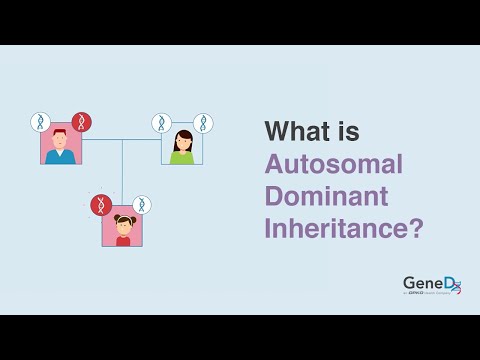
So, imagine this: you’re at a family gathering, right? And everyone’s sitting around the table, debating who got Grandma’s nose or Dad’s crazy hairline. Sometimes it feels like family traits are just kinda… floating around like they have a mind of their own.
Well, that’s because they actually do! Welcome to the wacky world of genetics, where traits hop from one generation to the next like they’re playing tag.
Now, you might have heard of this thing called autosomal dominant inheritance. Not exactly a catchy title, huh? But it really is fascinating! Basically, if one parent has a trait—like those big brown eyes or that quirky laugh—there’s a good chance their kids will get it too.
Stick with me for a sec as we break down this genetic puzzle. It’s like unwrapping your favorite candy; sweet and totally rewarding!
Understanding Autosomal Dominant Inheritance: Is the 50% Probability a Certainty?
So, let’s talk about autosomal dominant inheritance and that whole “50% probability” deal. You’ve probably heard it mentioned before, but what does it really mean? When someone has an autosomal dominant condition, like Huntington’s disease or Marfan syndrome, they have one copy of a mutated gene that’s enough to express the trait or condition. Basically, if one parent has this gene, there’s a good chance—around a 50% probability—that they’ll pass it on to their child.
Now, here’s where it gets interesting. You might be wondering if that 50% is a solid guarantee. Well, the short answer is: not exactly. Probability isn’t the same as certainty. Let me explain.
When you think about inheritance in families, it can be like flipping a coin. If one parent has the autosomal dominant gene and the other doesn’t, every time they have a kid, it’s like tossing that coin again. You might hit heads (which means inheriting the condition) or tails (not inheriting it), right? So each child basically has two possible outcomes:
- They inherit the mutated gene, leading to potential expression of the trait.
- They don’t inherit the gene, and health-wise, they will not show symptoms of that condition.
You might think “Okay cool, but what does this look like in real life?” Imagine a family where one parent has an autosomal dominant disorder. They have two kids. One kid inherits the disease and shows symptoms while another doesn’t inherit anything from that parent and stays healthy—a clear case of that 50% in action! But just because it’s a 50% chance doesn’t mean every couple will see exactly half their kids affected; sometimes none will be affected while sometimes all could be.
Another thing to remember is how variable expressivity comes into play. That basically means even within those who do inherit the gene, symptoms can manifest differently from person to person—like how some people with certain conditions may hardly notice any issues at all while others can face significant challenges.
But wait! There’s also incomplete penetrance. This term describes situations where not everyone with the mutation actually shows symptoms at all! It’s kind of like having an umbrella when you go out—it protects you just in case it rains but does not guarantee you’ll get wet.
One emotional aspect I want to touch on is how this all feels for families dealing with these genetic traits. My friend learned she had an autosomal dominant disorder through genetic testing after her mother was diagnosed with it later in life. She had two kids and felt torn between hope and fear with each pregnancy—would her kids carry this trait? These stories bring home just how real this topic is for many people navigating genetic conditions.
So yeah! That whole 50% probability business is more intricate than just flipping coins; it’s full of twists and turns shaped by genetics and individual variability! Life is unpredictable in so many ways—even genetics can throw surprising curveballs your way!
In summary:
- Autosomal dominant traits: One mutated gene from either parent leads to potential expression.
- The 50% probability: It indicates chance—not certainty—for passing on the trait.
- Variable expressivity: Symptoms may vary among those who inherit.
- Incomplete penetrance: Not everyone with the mutation shows symptoms.
Understanding these concepts can help put things into perspective when it comes to family planning and genetic counseling—every little piece matters!
Understanding Inheritance: The Impact of Two Parents with an Autosomal Dominant Trait in Genetic Science
So, let’s talk about inheritance because, really, it’s like the ultimate family storybook. Every time two people decide to have a kid, they’re passing down a mix of traits, behaviors, and sometimes quirks that can really shape who that child becomes. Now, in the world of genetics, there’s something called autosomal dominant inheritance, and it’s pretty fascinating.
When we say “autosomal,” we’re referring to genes located on the non-sex chromosomes—those are your first 22 pairs of chromosomes. And “dominant” means that if one parent has a particular trait or condition caused by this gene, there’s a good chance the kiddo will inherit it too. Basically, just one copy of this dominant gene is enough to show up in the offspring.
Now imagine you’ve got two parents—let’s call them Parent A and Parent B—and they both have an autosomal dominant trait. This could be something like having curly hair or even more serious conditions like Huntington’s disease. The key takeaway here is that each parent has at least one copy of that dominant gene.
What does this mean for their kids? Well, let’s break it down a bit:
- Each child has a 75% chance of inheriting the trait:
- Both Parent A and Parent B can pass on their dominant gene.
- If either parent doesn’t have the trait (meaning they don’t carry the gene), then there’s about a 50% chance.
Let’s say both parents have brown eyes (a classic example of autosomal dominance). If brown eyes are linked to this dominant trait they both possess, it’s likely most kids will also inherit those brown peepers. But here’s where it gets interesting: maybe one kid inherits blue eyes if they get two copies of the recessive allele from grandparents. It’s kind of like genetic roulette!
An emotional little story comes into play when you think about how traits don’t just end with physical appearances; they might be tied to health conditions too. Take someone with familial hypercholesterolemia—a condition where cholesterol levels are super high due to an autosomal dominant gene. If both parents have it, their kids face serious health risks.
Now here comes another layer: variability. Just because both parents have the trait doesn’t guarantee all children will express it in exactly the same way. Maybe one kid has really dainty curls while another has wild ringlets! It shows how genes mix and match in unpredictable ways.
So here’s where it gets even cooler: these inherited traits can spark conversations across generations! Family reunions often turn into mini science fairs as everyone compares eye colors or hair textures—totally fun but also meaningful in understanding genetic ties.
Wrapping all this up isn’t simple; inheritance through an autosomal dominant pattern is complex yet absolutely amazing. It reminds us that every family carries its own unique story told through generations and generations—all written in tiny strands of DNA that curl up neatly inside our cells!
Key Indicators of Autosomal Dominant Inheritance in Genetic Research
Autosomal dominant inheritance is one of those fundamental concepts in genetics that can really help you understand how certain traits or conditions are passed down through families. So, what does it mean when we say a trait is inherited in an autosomal dominant manner?
In short, it means that only one copy of a mutated gene from either parent is enough to cause the trait or disorder. Crazy, right? This is different from autosomal recessive inheritance, where you need two copies of the mutated gene for the trait to show up. Just think about all those family gatherings: if your parent has a dominant condition, you’ve got a 50% chance of inheriting it.
Let’s break down some key indicators of autosomal dominant inheritance that genetic researchers look for:
- Vertical transmission: In families with an autosomal dominant condition, it often pops up in every generation. That means if one parent has the trait, there’s a good chance their kids will too.
- Equal gender distribution: This type of inheritance doesn’t care if you’re male or female; both have equal odds of getting the condition.
- Affected individuals have an affected parent: Seriously, this is like clockwork! If you see someone with the trait and their parent has it too, slap on that autosomal dominant label.
- Sporadic cases: Sometimes new mutations happen in families without any history of the disorder. Maybe someone just happened to get a funky copy of that gene! These individuals are still considered affected.
- The phenotypic variability: This basically means that not everyone shows symptoms in the same way—or at all! Some people can be carriers and never experience any issues.
Now, let me tell you about a real-life example that emphasizes this concept. Imagine a family where both parents are normal but then they have kids—one kid has a condition called huntington’s disease, which is caused by an autosomal dominant mutation. The parents might wonder what went wrong since they don’t seem to have it! What’s happening here could be due to a new mutation in one of them or even just simple chance.
And then there’s this thing called **penetrance**, which refers to how many people with the mutated gene actually express symptoms. Sometimes it’s like playing hide and seek; some folks with the gene might just not show signs at all.
So yeah, understanding these indicators helps geneticists trace patterns and understand how different traits spread through generations. It opens up doors for better diagnosis and potential treatments too! Isn’t genetics just wild? You start thinking about something as simple as hair color and before you know it, you’re knee-deep in family trees trying to figure out why Uncle Joe has two left feet (inherited clumsiness?). It’s all connected!
Alright, let’s chat about autosomal dominant inheritance in human genetics. Sounds a bit heavy, right? But stick with me; it’s actually pretty interesting when you break it down.
So, here’s the deal: autosomal dominant inheritance is just a fancy way of saying that if a parent has a certain trait or disorder, there’s a chance their kid might inherit it. It works like this: you’ve got two copies of each gene—one from your mom and one from your dad. In autosomal dominant conditions, you only need one of those copies to show the trait or disorder. So, if either parent carries that gene mutation, bingo! The child has a 50% chance of getting it too.
A quick story for you. My friend Sara found out she carried the gene for Huntington’s disease—a condition that affects the nervous system and usually shows up in middle age. When she got tested and saw that her mom had it too, it hit her hard because it was like staring down the barrel of a gun. You’re not just thinking about yourself; you’re thinking about your future kids as well. It made her really rethink her choices moving forward.
But let’s not get too gloomy! Not all traits passed down this way are illnesses; they can be things like eye color or even some kind of musical talent. If you think about it, having that one copy means if something runs in the family—like blue eyes—you could easily inherit them just because one parent flaunts those stunning peepers.
Now, there are plenty of examples beyond Huntington’s: Marfan syndrome, which affects connective tissues (you know, the stuff that keeps everything together), is another one to keep an eye on. People with this condition often have long limbs and can be super tall—think basketball player vibes!
It’s fascinating how genetics can shape us, both physically and health-wise. By understanding these inheritance patterns more clearly, we open up conversations about family planning and what risks come into play. It’s not just random at all; there’s real science behind who we are.
So yeah, whether it’s traits or disorders in the mix—and whether you’re passing along something funky or cool—we’re all part of this big genetic puzzle made up of our families’ pasts and futures connecting us all together! Pretty wild when you think about it right?