You know that feeling when you look at a family photo and think, “Wow, I totally got Dad’s nose?” Or maybe it’s your love for pizza that comes from your mom? Well, that’s Mendelian inheritance at work! Seriously, it’s like the ultimate game of genetic bingo.
So here’s the deal: way back in the 1800s, a monk named Gregor Mendel was hanging out in his garden, fiddling with pea plants. He had this wild idea about how traits get passed down. Spoiler alert: he nailed it! His discoveries laid the groundwork for modern genetics.
And you might be wondering why all this matters today. Well, let me tell you—understanding how we inherit traits has huge implications. From health issues to even selecting pet breeds, it all ties back to Mendel and his peas. Isn’t that nifty?
Exploring the Modern Applications of Mendelian Inheritance in Genetics and Medicine
Mendelian inheritance, you know, is like the foundation of modern genetics. When Gregor Mendel started experimenting with pea plants way back in the 1800s, he probably had no idea how big a deal his work would become. He figured out that traits are passed from parents to offspring through specific units of inheritance—what we now call genes. These basic principles still apply to many areas today, especially in genetics and medicine.
In **genetics**, Mendelian inheritance helps us understand how traits are inherited. For instance, traits like eye color or blood type can often be traced back to single genes. This means you can have a “Mendelian trait,” where one gene directly influences a characteristic. Knowing this lets scientists predict how traits might be passed on in families.
Now let’s talk about some cool applications in **medicine**. With genetic testing becoming more common, doctors can use Mendelian principles to assess risks for certain genetic disorders. Say someone has a family history of cystic fibrosis; they might undergo genetic testing to see if they carry the gene responsible for the disorder. This helps them make informed choices about family planning or early intervention.
Another fascinating aspect is **personalized medicine**. This approach tailors medical treatments based on a patient’s unique genetic makeup. For example, if you have a specific mutation associated with breast cancer (like BRCA1), knowing this allows healthcare providers to recommend earlier screenings or preventive measures, tailored just for you!
When it comes to drug responses, this is super interesting too. Some people metabolize certain medications differently based on their genetics—thanks again to those Mendelian principles! A classic case would be with anticoagulants; some patients may need lower doses because of genetic variations affecting drug metabolism.
And here’s something neat: we’re learning more about complex traits and polygenic inheritance too! Here’s where it gets tricky because many characteristics don’t follow simple Mendelian patterns. Conditions like diabetes or heart disease involve multiple genes and environmental factors working together. So while the basic rules hold true in simple cases, life gets way more complex when multiple genes step into play.
Now here’s an emotional nugget: consider families dealing with hereditary conditions that come straight from Mendelian inheritance patterns. Parents may learn they carry genes for things like Huntington’s disease or sickle cell anemia through genetic counseling sessions based on these principles. It’s heart-wrenching but also empowering because knowledge equals choices for these families.
So yeah, **Mendelian inheritance isn’t just old-school science**; it remains deeply woven into the fabric of modern genetics and medicine today! From predicting risks for diseases to developing tailored treatments that fit individual needs—Mendel’s work continues shaping our understanding and approaches even over a century later!
Mendel’s Legacy: Pioneering Contributions to Modern Genetics and Scientific Discovery
So, let’s chat about Mendel’s Legacy, shall we? Gregor Mendel was this monk who played around with peas in the 19th century. Seriously, peas! I know it sounds a bit bland, but what he discovered is anything but.
You see, Mendel was curious about how traits were passed down from one generation to the next. Like, why do some pea plants have purple flowers while others have white? He conducted his experiments by crossing these plants and watching the results. That led him to figure out some key principles of inheritance.
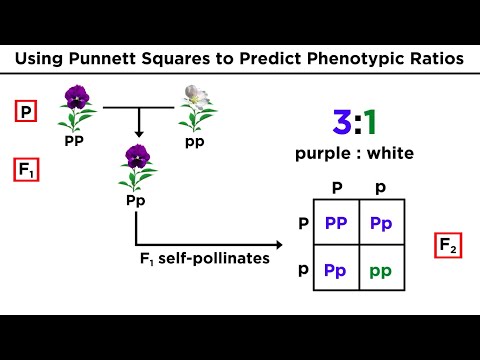
First off, Mendel discovered the concept of dominant and recessive traits. This means that some traits can overshadow others. Like if you cross a plant with purple flowers (dominant) with one that has white flowers (recessive), the offspring usually end up with purple flowers. Crazy, right? It’s like a flower power showdown!
Mendel also introduced the idea of alleles, which are different versions of a gene. Each organism gets two alleles for each trait—one from each parent. So, in our pea plant example, it could get two purple alleles (PP), one purple and one white (Pp), or two white alleles (pp). But only those with at least one purple allele will show those vibrant lavender hues.
Another huge thing he contributed is what we call Mendelian inheritance patterns. This refers to how traits assort independently during reproduction. Basically, it led to two important laws:
- The Law of Segregation: This states that allele pairs separate during gamete formation and randomly unite during fertilization.
- The Law of Independent Assortment: This suggests that different genes independently separate from one another when reproductive cells develop.
Mendel’s work was pretty much ignored for decades. It wasn’t until after his death that scientists started to realize the importance of what he had uncovered. Imagine being so ahead of your time that no one gets it!
When modern genetics came along—thanks to technologies like DNA sequencing and molecular markers—Mendel’s principles turned out to be foundational for fields like genetics and biology overall! Without this groundwork, understanding genetic disorders or breeding plants and animals would be way trickier.
Let’s not forget how Mendel’s discoveries paved the way for studying specific traits in humans too! For example, characteristics like blood type follow Mendelian inheritance principles. Knowing how these genes work helps us understand inherited diseases like cystic fibrosis or sickle cell anemia.
So there you have it: Mendel laid down principles in genetics like nobody else before him did. His knack for observing simple pea plants brought us some serious insights into life’s more complex systems today. It makes you think—sometimes all it takes is a little curiosity about peas to change how we see everything!
The Lasting Impact of Mendel’s Work on Modern Genetics and Its Scientific Implications
Mendel’s work is like the foundation of a giant house that is modern genetics. You know, back in the 1860s, he wasn’t just messing around with pea plants for kicks. He was actually laying down the rules for how traits are inherited. Crazy, right? His research showed us that traits are passed down through discrete units, later named genes. This was a real game changer!
Mendelian inheritance, that’s what it’s called, is all about how these genes come together and shape living organisms. Think of it like mixing paint. If you mix red and white, you might get pink. But there are rules about how those colors blend! Mendel discovered things like dominant and recessive traits by experimenting with plants.
So, he studied things like flower color and seed shape. He found that some traits dominate others—for instance, a round seed (dominant) will overshadow a wrinkled one (recessive). Imagine trying to explain to someone why your favorite fruit is sweeter than another—even if they’re kind of similar! That’s sort of what Mendel did with his peas.
This whole idea of dominant and recessive traits laid the groundwork for what we now call genetics. Fast forward to today—it’s not just about peas anymore! We apply these principles to animals, plants, and even humans. You can see this when you think about family traits: why do you have your dad’s nose? That’s Mendel’s legacy right there!
In modern science, candidates for genetic conditions are identified using Mendelian principles. Researchers study whether certain diseases follow those same patterns of inheritance Mendel described over a century ago. It helps in understanding genetic disorders—just think about cystic fibrosis or sickle cell anemia.
But it doesn’t stop at diseases! Mendel offered insights into more than just physical characteristics; he also spotlighted how complex behaviors could arise from genetic factors too—like why some people might be more prone to anxiety or athleticism because of their genetic makeup.
His influence stretches way beyond just plants and people. Genetic engineering, CRISPR technology—all come from this basic understanding laid out by good ol’ Gregor Mendel. With CRISPR, scientists can literally edit genes as if correcting typos in an essay! It raises ethical debates but also opens doors for potential cures for genetic diseases.
You might wonder how often we see evidence of this today—think genetically modified crops designed for higher yields or resistance to pests—big impacts on food security! The principles behind these developments all circle back to the rules Mendel established long ago.
All things considered, without Mendel’s original work on inheritance patterns, modern biology would look totally different! His theories helped pave the way for advancements in medicine and agriculture that impact our lives every day.
In summary:
- Mendel showed how traits are inherited through discrete units called genes.
- He introduced concepts like dominant and recessive traits.
- This foundational work paved the way for genetics as we know it.
- His findings can be seen in everything from family similarities to advanced technologies like CRISPR.
- Mendel’s legacy continues influencing research in genetics and crop development worldwide.
So whenever you bite into an apple or even catch a glimpse of someone who looks just like their parent—it all ties back to those simple experiments with pea plants over 150 years ago! How wild is that?
Alright, let’s chat about Mendelian inheritance. It’s this super cool concept discovered by Gregor Mendel way back in the 1800s, and it laid the groundwork for modern genetics. Imagine a quiet monk playing around with pea plants and figuring out how traits are passed down. Pretty wild, huh? I mean, who knew that those green and yellow peas would change our understanding of biology?
So, basically, Mendel discovered that certain traits—like whether a pea plant would have yellow or green pods—follow clear patterns. He talked about dominant and recessive alleles. It’s like a game of tug-of-war where one gene might pull harder than another. If you get a dominant trait from one parent, you’re likely to see that trait in the offspring, even if the other parent has a different one.
Fast forward to today, and this idea is everywhere! It’s not just about peas anymore. It’s all about us too; think of things like eye color or even certain genetic disorders. When researchers look at DNA, they’re still kind of using Mendel’s principles to figure out how traits are inherited across generations.
I remember once sitting down with my younger cousin when she was trying to learn about genetics for school. She was struggling with the Punnett squares which can seem really confusing at first glance—like a math puzzle mixed with biology! So I told her it was like predicting outcomes in a game: if you roll two dice, there are different combos that can come up depending on how many sides each die has. With genetics, it’s kind of similar with alleles determining what traits show up.
But here’s where it gets even more fascinating: this foundational stuff helps scientists today understand complex issues like genetic diseases or personalized medicine—how treatments might work better based on your unique genetic makeup! That’s powerful knowledge right there! Can you believe we’re using something from over a century ago to actually make real advances in health care?
Mendelian inheritance really is like this cornerstone for everything else we learn about genetics these days. It might sound old-school but imagine trying to build a house without knowing how to lay bricks! His work helps us comprehend so much more about life itself—kind of humbling when you think about it.
So yeah, Mendelian inheritance isn’t just some dusty old concept from history books; it’s living proof of how curiosity can lead us into understanding the very fabric of life—and that’s pretty amazing!