Okay, so picture this: you’re at a family reunion, right? Everyone’s gathered around, and suddenly Aunt Karen pulls out the family tree. It’s like a game of “Who’s related to who?” that nobody signed up for!
But here’s the thing: that messy chart isn’t just about who married whom. It has everything to do with genes. You see, mapping genes is like playing detective with your DNA. It tells us how traits get passed down through generations.
Curious how exactly that works? Well, let’s chat about linkage and inheritance! You’re gonna want to stick around for this wild ride through genetics.
Understanding Linkage and Gene Mapping in Genetics: A Comprehensive Overview
So, let’s talk about linkage and gene mapping in genetics. It sounds a bit complicated at first, but seriously, it’s kinda like a treasure map for genes. You know how your favorite video games have towns and landmarks? Well, genes are similar! They’re all lined up on chromosomes, and scientists are trying to figure out where each one lives.
To start with, **linkage** refers to how certain genes tend to be inherited together. Picture this: if you and your sibling both got your mom’s blue eyes and your dad’s curly hair, those traits might be linked because they’re close together on the same chromosome. The closer the genes are to each other, the more likely they will be passed down as a package deal.
Now, let’s dig into **gene mapping**. This is essentially figuring out where each gene is located on a chromosome. Think of it like mapping out different cafes in a city—each cafe (or gene) has its own address (or location). Scientists use several techniques to create these maps.
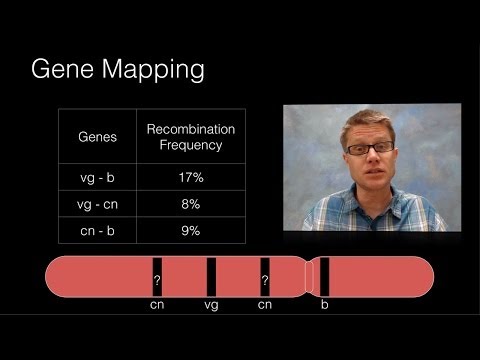
One classic method is called **recombinant frequency**. Here’s the scoop: when cells copy themselves during reproduction (who knew there was so much drama in cell division?), they can exchange bits of DNA between chromosomes—a process called crossing over. If two genes are far apart on a chromosome, there’s a higher chance that crossing over will happen between them during reproduction. So scientists can use this info to calculate how frequently genes get separated by crossing over.
For example, if they find that certain traits don’t follow typical inheritance patterns—like if tall parents consistently have short kids—it could hint that those traits are governed by linked genes.
Then there’s something called **mapping populations**, which is another cool tool scientists use! By studying families or specific groups of organisms (think of fruit flies or bacteria), researchers can track how traits move through generations. This information helps them pinpoint the exact location of important traits on chromosomes.
Just imagine discovering that this one trait relates to resistance against diseases in plants! That could be huge for farming! Farmers could breed plants with this trait to help grow healthier crops without relying too much on chemicals.
So really, when we look at linkage and gene mapping together, we’re piecing together these intricate stories about inheritance. It’s like teamwork mixed with detective work! Each discovery takes us closer to understanding not just how traits work but also potential applications in medicine or agriculture.
In summary:
- Linkage> connects inherited traits based on their proximity on chromosomes.
- Gene Mapping> identifies where specific genes live.
- Recombinant Frequency>: a method used based on crossing over events.
- Mapping Populations>: studying groups helps unveil inheritance patterns.
If you ever find yourself caught up in genetic discussions—well now you’ve got some solid ground to stand on! The more we learn about linkages and mappings, the more we unlock nature’s blueprint for life itself! How cool is that?
Understanding Gene Linkage: Key Examples and Implications in Genetics
Gene linkage is like a wild family reunion, where certain traits tend to hang out together. Basically, some genes are located close to each other on a chromosome, which makes them more likely to be inherited together. Think of it this way: if two kids are playing side by side at the park, they’re more likely to go home together than if they were on opposite ends of the playground.
Now, why does this happen? Well, during stuff like crossing over in meiosis (that’s when cells divide to make sperm and eggs), linked genes can get shuffled up. But because they’re close together, they don’t get mixed up as often as those that are farther apart. This little dance of genes helps scientists understand inheritance patterns better.
To really grasp gene linkage, let’s look at some key examples:
- Sweet Peas: Gregor Mendel studied these flowers and noticed that some traits, like flower color and seed shape, were linked. He found that purple flowers might usually come with round seeds—quite the dynamic duo!
- Tetrad Analysis: This technique allows us to analyze the arrangements of genes as they segregate during meiosis. Tetrads can show us how often genes assort independently versus being linked.
- Fruit Flies: Drosophila melanogaster are a classic example in genetic studies. Researchers have observed many traits like eye color and wing shape being inherited together due to gene linkage.
The implications of understanding gene linkage are huge! For one thing, it influences how we think about heredity. When you understand that certain traits can travel together through generations, it helps explain why families sometimes share similar characteristics—like your grandma’s curly hair showing up in you.
Additionally, knowing about linkage can play a big role in genetics research and medicine. It helps researchers track down diseases that follow certain inheritance patterns. For instance, if a particular gene is linked with an illness on the same chromosome, understanding that relationship might help develop treatments or even therapies targeted directly at those specific gene variations.
Also interesting? Gene mapping! Scientists use recombinant frequency (a fancy term for measuring how often crossover happens) to figure out how far apart two linked genes are on a chromosome. The closer the genes are located to each other, the less likely they’ll recombine during crossing over.
So next time you hear someone talk about genetic traits or heredity in humans or plants or even flies, just remember: it’s all connected! Understanding **gene linkage** not only sheds light on how characteristics pass through generations but also opens doors for insights into genetics-related diseases and future innovations in treatment.
Comprehensive Gene Mapping: Essential Questions and Answers PDF for Scientific Research
Gene mapping is like a treasure hunt for scientists. They’re on the lookout for specific locations of genes on chromosomes, which are those tiny structures in our cells that carry all the genetic info. But why is it so important? Well, mapping genes helps us understand how traits are passed down through generations and can reveal what might cause certain diseases.
So, when we talk about linkage, we’re discussing how closely related different genes are on a chromosome. If two genes are close together, they tend to be inherited together. Think of it as walking hand-in-hand with your best bud; you’re less likely to lose each other compared to if you were further apart.
Now, inheritance refers to how traits or conditions get passed from parents to offspring. For example, if your parents both have brown eyes, there’s a fair chance you might too—thanks to those hidden genes making their magic happen! It’s kind of mind-blowing when you consider how many traits come into play.
When scientists map these genes, they often use a variety of methods. Here’s the scoop:
- Linkage Analysis: This technique looks at how often certain traits can be found together in families. If they show up frequently, that suggests they’re linked!
- Molecular Markers: These markers help pinpoint gene locations more precisely. They act like mile markers on a highway—helping you determine where you are.
- Genome-Wide Association Studies (GWAS): By scanning genomes from lots of individuals, researchers can discover associations between specific genetic variations and traits.
You see? Each method has its own vibe and purpose!
Regarding the essential questions surrounding gene mapping — folks often wonder about the ethical implications too. For instance, what happens when we start identifying genes linked to complex conditions? It’s crucial that we tread lightly here since knowledge can be a double-edged sword.
Also, let’s talk about applications in real life! Mapping genes not only aids in understanding diseases but also helps in agriculture—for instance, developing crops resistant to pests or diseases by tweaking their genetic make-up.
In summary: Gene mapping isn’t just about finding where genes live; it’s about figuring out relationships between them and understanding inheritance patterns better. Just imagine navigating your own family tree but instead of names and faces—we’re talking chromosomes and genetics! Exciting stuff for sure!
You know, genes are like tiny blueprints that make us who we are. I mean, think about it: every little trait—from the color of your eyes to how tall you’ll be—is encoded in these microscopic bits of DNA. But what’s really cool is how scientists have figured out a way to map these genes and understand how they’re linked and passed down from one generation to the next.
It reminds me of a family reunion I went to. Everyone was chatting and laughing, bonding over shared quirks—my uncle’s sense of humor or my cousin’s curly hair. The connections felt so real in that moment, and I couldn’t help but think about genetics. It’s wild to realize that our families share not just memories and stories, but actual genetic material!
So, mapping genes is much like creating a family tree but at a molecular level. Scientists look at how certain traits or diseases are inherited through generations and figure out which genes are responsible for what. They use something called “linkage analysis,” which is basically tracking traits across different family members. If certain traits tend to appear together, those genes are likely close together on the chromosome—like neighbors living next door!
Imagine you’re playing a game where you try to find pairs of socks in a messy drawer—it’s all about recognizing patterns and locations. That’s what geneticists do with chromosomes! They analyze patterns in inheritance, spotting clues that suggest particular genes might be connected.
The practical side of this goes beyond just academic curiosity. If scientists can map genes effectively, they can identify risks for diseases like diabetes or heart conditions before they even manifest. It could mean personalized medicine becoming a reality—tailoring treatments based on your unique genetic makeup.
Of course, there’s still so much we don’t know! Genes interact with each other and with environmental factors in complex ways that create all sorts of outcomes—good and bad. This makes the research super exciting but also super challenging.
It feels like we’re still piecing together an intricate puzzle that’s been scattered for ages—but as we keep working on it, who knows what other hidden family secrets our genes will reveal? Isn’t it fascinating? You might find yourself closer than you ever thought possible to your ancestors—not just through stories but through science too!