You know that moment when you look in the mirror and think, “Wow, I really do have my mom’s nose”? Or maybe you’ve noticed your brother has the same goofy smile as your dad. It’s all in the genes, right?
But here’s where it gets interesting: our traits aren’t just decided by a single gene. Nope! It’s more like a team effort from multiple genes working together. That’s polygenic inheritance for you—like a group project where everyone actually contributes.
Imagine trying to bake a cake without knowing how many eggs or cups of sugar to use. That’s kinda what it’s like figuring out how we inherit traits. Complex, huh? But trust me, it’s totally worth diving into this world of genetics because, honestly, it makes family reunions way more entertaining!
Understanding Polygenic Inheritance: A Comprehensive Guide to Genetic Complexity (PDF)
Polygenic inheritance is, like, super interesting because it helps explain how a bunch of different traits are passed down in families. So, you might be wondering, what does that even mean? Well, basically, instead of one gene determining a trait (like eye color), it’s multiple genes working together that influence it. This is kinda like mixing different paint colors to get a new shade.
One example to think about is hair color. Instead of just having “brown” or “blonde” genes, there are many genes that can contribute to different shades in between. This means that if your parents have dark brown and light blonde hair, you might end up with something like chestnut or even a cool strawberry blonde!
- Not just one gene: In polygenic traits, more than one gene influences the outcome. Each of those genes may have different variations or alleles that contribute to the final trait.
- Continuous variation: Traits influenced by multiple genes often show a range of possibilities. Think about height; some people are really tall while others are on the shorter side.
- Environment matters: While genetics play a big role in polygenic traits, environmental factors can also shape how those traits express themselves. For instance, if a tall person doesn’t get enough nutrition while growing up, they might not reach their full height.
The thing is, understanding polygenic inheritance can be tricky because it’s not always straightforward to predict what the outcome will be. You know how sometimes you plant seeds and expect flowers but end up with something completely unexpected? Same idea!
I remember chatting with my buddy about why our group of friends had such mixed appearances—some tall and lean while others were shorter and more stocky. Turns out we all share some similar ancestry but with lots of genetic variation! It’s wild to think about how the combination of those tiny little pieces (DNA) creates such diversity among us.
Now let’s talk about **quantitative traits**—these are essentially traits determined by many genes and usually measured on a scale rather than just being “yes” or “no.” Things like skin tone or intelligence fall into this category. You can notice differences in these traits across populations and individuals because they’re shaped by lots and lots of genetic factors.
So remember this: when looking at any trait influenced by multiple genes—whether it’s skin tone or athletic ability—think of it as a complex puzzle where every piece adds depth to the final picture.
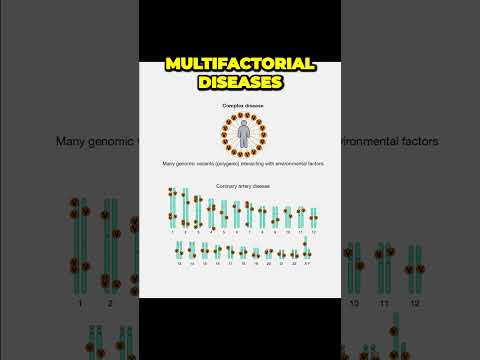
Understanding all this gives us hints about things like health risks too! For instance, certain diseases might run in families not because there’s one “bad” gene but rather due to how several genes interact over time under various life conditions. This means we need to look at the bigger picture.
Anyway, diving into polygenic inheritance opens up this whole universe where biology meets complexity—and it’s pretty exciting! So next time you see someone who looks strikingly different from their family members, think about all those amazing genetic interactions at play.
Understanding Polygenic Inheritance: Insights into Brain Complexity and Genetic Influence
Polygenic inheritance is a fascinating concept in genetics that explains how multiple genes work together to influence traits. Think of it like a recipe, where different ingredients combine to create a dish that’s unique and complex. Instead of just one gene determining something about us—like eye color or height—it’s often a whole bunch of them working in concert.
You know how sometimes you hear people say things like, “Oh, she’s got her father’s eyes”? That’s pretty straightforward—if you inherit the right combinations of genes from your parents, you get specific traits. But when it comes to things like intelligence or certain personality traits, it gets way more complicated because these aren’t just governed by one gene. No siree!
So, here’s where polygenic inheritance comes into play. It refers to traits that are influenced by multiple genes, often located on different chromosomes. Each gene adds a little bit to the overall outcome, which makes the trait more of a continuous range rather than a clear-cut thing. For instance:
- Height: It’s not just one gene telling you how tall you’ll be; it’s several working together.
- Skin Color: This also results from polygenic inheritance, creating an endless variety of skin tones.
- Brain Complexity: Cognitive abilities are influenced by many genes interacting with environmental factors.
Now, speaking of brain complexity—this is where things get really interesting! You might think that if we could pinpoint the exact genes responsible for certain cognitive abilities or even mental health conditions, we could do so much more with our understanding… And you’re right!
But here’s the kicker: Polygenic traits can also be influenced by our environment. Let’s say you have all the right genes for high intelligence but grow up in an environment that doesn’t nurture these skills—like lacking educational resources or support from family and friends? Well, that interplay can make all the difference.
I remember reading about this kid who was super bright but struggled in school due to his chaotic home life. He had great potential but needed that extra push from his environment.
So when we talk about brain complexity through polygenic inheritance, we’re not just looking at biology in isolation; we’re considering **how genes interact with experiences** and surroundings too. It’s this beautiful confusion between nature and nurture!
And let’s not forget about variability among individuals! Even if two people share similar genetic backgrounds (like siblings), their traits can still differ significantly due to various external influences during their development stages.
This complexity makes studying human genetics super challenging yet incredibly rewarding! Researchers are diving into this blend of genetic data and social science to gain insights into everything from educational achievement to psychological resilience.
There’s so much potential here for improving health outcomes based on our understanding of how genetics contribute to behaviors and capabilities—and there is still so much left to explore! So yeah, polygenic inheritance gives us quite a lens through which we can start untangling the crazy mess of what makes us human!
You know, genetics can feel like one of those puzzles you just can’t quite put together. I mean, when you think about it, we’re all a mix of our parents, grandparents, and even that quirky aunt who always wears too much perfume. But have you ever thought about how this blending works on a deeper level? That’s where polygenic inheritance comes in.
Polygenic inheritance is like a team effort among genes. Imagine your genes as a group of friends trying to build a sandcastle. Each one contributes their own style, creating something beautiful together. Instead of one gene deciding everything—like eye color or height—it’s many genes working in tandem that influence these traits. So, if you’re tall or have blue eyes, it’s not just thanks to one magical gene; it’s a whole squad of them pitching in.
I still remember when I first learned about this in class. I was sitting there, doodling in the margins of my notebook while my teacher passionately explained how complex our genetic makeup is. It struck me like lightning. Suddenly, I wasn’t just thinking about who looked like whom in my family; I was picturing this rich tapestry woven from countless threads contributing to who we are.
But here’s the kicker: not only does polygenic inheritance create diversity among us humans—but it can also lead to some pretty complicated situations when it comes to health and disease traits. For example, something like diabetes or heart disease doesn’t come from a single gene gone awry. Nope! It’s influenced by multiple genes and their interactions with the environment. How wild is that? It adds another layer to how we understand our health—not always straightforward but definitely intriguing.
So yeah, unraveling this complexity might take some time and patience—like solving that pesky puzzle—but getting to know these intricate connections makes each piece all the more meaningful. All those tiny variations add up to make us uniquely ourselves—quirks and all! And honestly? That’s something worth appreciating every day as we go through life trying to figure ourselves out—even if it’s through just looking at what makes you “you.