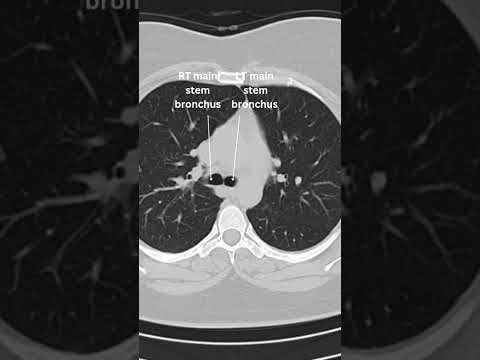
You know that moment when you’re at a party, and someone starts talking about how our ribs are like natural armor? Well, I find that totally amusing! I mean, how often do you really think about your chest anatomy?
It’s kind of wild if you stop to think that there’s so much going on under that shirt of yours—bones, muscles, organs. It’s like a whole hidden world!
So let’s unravel this mystery together. You’ll see that your chest isn’t just there to hold your heart but has some serious roles in keeping you alive and kicking. Stick around; it’s gonna be an eye-opener!
Top Chest Anatomy Books Featuring High-Quality Illustrations for Medical Professionals
There’s something pretty fascinating about chest anatomy, right? The chest is like this amazing system of organs and structures working together to keep us alive. And if you’re a medical professional, understanding this is crucial. Quality illustrations can really help to grasp those complex relationships and functions.
When looking for top anatomy books focusing on the chest, it’s all about the visuals. High-quality illustrations can make a huge difference in learning. They offer clarity where words might just confuse you. So, let’s check out some notable options that have been known for their great imagery!
- The Atlas of Human Anatomy by Frank H. Netter: This book is renowned in medical circles. Netter’s illustrations are iconic and vibrant, providing detailed views of the chest’s structures.
- Clinical Anatomy by Richard S. Snell: This one marries engaging text with great illustrations. It breaks down complex concepts into more digestible pieces, which is super helpful.
- Anatomy & Physiology for Health Professionals by Jahangir Moini: Known for clear diagrams and explanations, it’s a great resource if you’re trying to understand how each part interacts within the chest.
- The Human Body Book by Steve Parker: While not exclusively about the chest, it features stunning visuals of various systems including the thoracic cavity which anyone interested in anatomy would appreciate.
- Gray’s Anatomy for Students: This classic offers fantastic illustrations with relevant clinical correlations that are super handy as you navigate through learning.
Now let’s chat a bit about why these books are so useful beyond just pretty pictures. For instance, understanding how blood vessels interact with other tissues in the lungs can be tricky without a solid visual aid. When I was studying cadaver dissections early on, I remember seeing those connections for the first time—it totally changed my perspective on how everything fits together.
You might also want to consider resources like atlases or online databases that offer interactive content; they often allow you to rotate structures and zoom in on details that static images can’t quite capture.
And remember, even though these books focus heavily on visuals, it’s equally important to pair them with hands-on practice or clinical experience where possible because nothing beats real-life application!
So yeah, whether you’re prepping for exams or just brushing up your knowledge, having access to high-quality anatomical references is key! They’ll surely give you confidence when tackling those tricky questions about chest anatomy—believe me!
You know, the human body is this incredible puzzle. I remember a time in biology class when we had to learn about the chest anatomy, and it felt like decoding an ancient treasure map. There’s just so much going on in there! Seriously, it’s like a real-life three-dimensional jigsaw puzzle with all these parts fitting together in ways that can blow your mind.
So, let’s talk about what’s under that rib cage. First off, you’ve got the heart, which is kind of the superstar of this whole operation. It’s pumping blood like a persistent drummer keeping the beat for an entire band. Then there are the lungs, these soft spongy bags that inflate and deflate with every breath you take. It’s kinda poetic when you think about it; life literally depends on this dance between your heart and lungs.
And then there are ribs—those bony shields protecting all those vital organs—and don’t forget about the diaphragm! That muscle down there is like a superhero for breathing. When you inhale, it helps pull air into your lungs. Without it? Well, let’s just say breathing would be way tougher.
But here’s where things get really interesting: all these parts don’t just work independently. They’re kinda in cahoots with each other! For instance, when you exercise or feel stressed out, your heart starts racing and your breathing picks up too. There’s this beautiful communication happening within your chest that often goes unnoticed.
It can be overwhelming to think about how everything works together seamlessly most of the time until something goes wrong. A friend of mine once shared how he had to undergo surgery due to some issues with his chest—it was eye-opening for me to see how intricate our anatomy really is when someone has to face those challenges head-on.
So yeah, understanding chest anatomy is more than memorizing terms and locations; it’s recognizing how everything connects and plays its part in keeping us alive and functioning well. The next time you take a deep breath or feel your heart race during a thrill, remember there’s a whole world of complexity working behind the scenes—it’s pretty amazing if you ask me!