You know how sometimes you look at a family photo and think, “Wow, I inherited my dad’s big nose?” Well, those quirky traits come from our genes!
Genes are like little instruction books for our bodies. They tell us how to grow, what color our eyes will be, and even if we’re prone to sing in the shower (guilty!).
Seriously though, without genes, life would be a totally different scene. They’re the building blocks of all living things.
So let’s take a chill stroll through what genes are all about. They’re not just some boring scientific term; they’re at the very heart of who we are!
Decoding Genetic Similarities: Understanding Human Connections to Bananas and Chimpanzees in Science
Sure, let’s chat about the fascinating world of genetics! You might find it a bit surprising, but we humans share a lot more with bananas and chimpanzees than you may have thought.
First off, let’s talk about **genes**. You know, those little packets of information in our cells that guide how our bodies work? Well, it turns out that about 60% of our genes are similar to those found in bananas. I know what you’re thinking: “Bananas? Seriously?” But it’s true! This similarity is rooted in the basic building blocks of life.
Now, moving on to our closest relatives—chimpanzees. We share up to **98-99%** of our DNA with them! That’s like sharing almost everything except for maybe your favorite pizza topping or the ability to walk upright all the time. It’s pretty mind-blowing when you realize that these tiny differences in DNA lead to huge differences in how we develop and act.
So why do we have these genetic similarities? Well, it all comes down to **evolution**. Every living organism on this planet shares a common ancestor at some point. So when you think about it, genetically speaking, we’re all part of one big family tree! Bananas and humans diverged millions of years ago but kept some similar traits because they are essential for life.
Let’s break this down a bit further:
- Genes: The units of heredity responsible for traits.
- DNA: The molecule that carries genetic information; think of it as a recipe book.
- Evolution: The process by which species change over time through natural selection.
So, what does that mean for us and other organisms? Imagine standing at the base of a giant tree with branches stretching far and wide—some lead to humans while others lead to bananas or chimpanzees. Each branch represents how different species adapted to their environments over time while still holding onto some shared genetic recipes.
This whole connection is rich enough to inspire thoughts on our place in nature. It makes me think about how closely tied we are not only with other animals but also with plants! Like, have you ever had that moment when you’re eating a banana and just marveling at how you both share parts of your genetic makeup?
In short, understanding our genetic similarities sheds light on the interconnectedness of life itself. This isn’t just science fiction; it’s real-life biology telling us we’re not quite as separate as we often think.
So next time you grab a banana or see a chimp, remember there’s so much more under the surface—a shared history written in DNA that connects us all!
Understanding the Biological Definition of Genes: Key Concepts in Genetics and Molecular Biology
So, let’s talk about genes. Seriously, they’re like the little instruction manuals for everything living, and understanding them is super important in genetics and molecular biology.
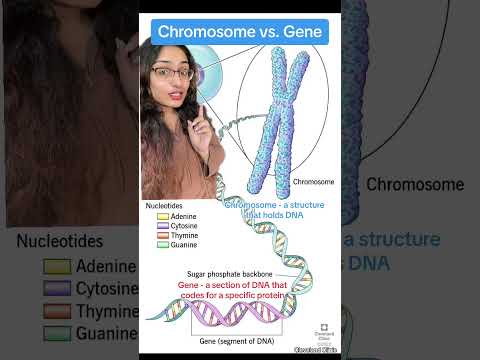
A gene is basically a segment of DNA that contains the instructions to make proteins. Proteins are the building blocks of life; they do work in your body like helping with digestion or transporting oxygen in your blood. Can you believe that all the information needed to create a complex organism is packed into just these tiny sequences?
DNA, short for deoxyribonucleic acid, has this cool double-helix shape that looks kind of like a twisted ladder. Each rung of that ladder is made up of pairs of chemical bases: adenine (A), thymine (T), cytosine (C), and guanine (G). The order of these bases creates unique sequences that determine what kind of protein gets made.
- Exons: These are parts of the gene that actually get turned into proteins.
- Introns: These pieces sit between exons and get spliced out before protein synthesis happens.
Imagine it like making a sandwich. The exons are the tasty fillings—like peanut butter and jelly—while introns are just excess bits of bread you don’t really need on your sandwich. You only use what’s necessary!
The process of going from DNA to protein involves two main steps: transcription and translation. In transcription, your DNA gets copied into messenger RNA (or mRNA). Then during translation, ribosomes read this mRNA sequence to build proteins by linking together amino acids in the right order.
The thing is, genes can be regulated too! There are other molecules involved that can turn genes on or off depending on what your body needs at any moment. Like if you’re running away from a bear—you want to ramp up those adrenaline-producing genes!
- Mutation: Sometimes genes can change due to errors during DNA replication or environmental factors. These changes could lead to different traits or even diseases.
- Alleles: These are different versions of a gene. For instance, there might be a gene for flower color with one allele for red petals and another for white petals.
You see? Genes aren’t just simple switches; they’re part of an intricate network guiding growth, development, and response to our environment. It’s all very fascinating! And it’s not just about humans; every living thing carries some form of genetic code—plants, animals—you name it.
This entire world within our cells has huge implications for health and medicine too! Understanding how genes work helps scientists develop treatments for diseases or improve crops so they grow better under harsh conditions. It’s like unlocking nature’s recipe book!
So next time you hear someone throw around terms related to genetics, you’ll have an idea about what’s actually going on at this microscopic level—and it’s pretty amazing stuff!
Exploring Dawkins’ Definition of a Gene: A Scientific Perspective on Evolution and Genetics
So, let’s talk about genes and a guy named Richard Dawkins. He’s a big name in the science world, especially when it comes to evolution and how we understand genes. But, like, what exactly does he mean when he talks about a gene?
Dawkins’ view on genes is pretty fascinating. He sees them as units of heredity—small bits of DNA that carry information from one generation to the next. But here’s the twist: he doesn’t just think of them in a basic way. For him, genes are like little survival machines, competing to get passed down. It’s not just about how traits show up in organisms; it’s also about how those traits help or hinder creatures in their environments.
You see, Dawkins popularizes this idea with a catchy term: “selfish gene.” It sounds kinda greedy, but it’s not what you might think. The premise is that genes act in ways that enhance their own chances of being replicated. So when you see behaviors in animals or plants that seem altruistic—where one animal helps another—it can often be traced back to gene-level benefits. If helping another species survives means your own genetic info gets passed along too? Well, then those “selfish” genes are winning.
Now picture a family tree for a second—a classic example would be eye color! If both parents have brown eyes (think about your high school buddies), they likely have dominant brown eye alleles (that’s where the trait info lives). Their kids might just end up with brown eyes too because those alleles tend to take charge! But here’s something wild: if there are recessive blue eye alleles floating around too, they could pop up later down the line if both parents carry them.
While Dawkins brings this intriguing perspective on competition among genes, it doesn’t mean he disregards everything else going on in evolution. Natural selection, for instance, plays a huge role! Traits that help an organism survive can be favored over generations while others fade away.
To get into the nitty-gritty of genetics—for every gene you have, there can be multiple versions called alleles. Think of them as different flavors! Just like vanilla and chocolate ice cream can come from similar ingredients but lead to totally different desserts. That genetic diversity is crucial; it keeps populations resilient against changes and challenges.
In essence—Dawkins’ definition of genes points us right into this world where genetics shapes species through deep-rooted competition while weaving beautifully through concepts like natural selection and variation among traits. It reminds us of this delicate balance between survival and replication in nature’s grand tapestry.
So yeah, whether you’re looking at something as complex as human behavior or as simple as why one flower blooms pink while another is yellow—it all circles back to these tiny units called genes and how they dance with evolution over time! Pretty cool stuff if you ask me!
Genes are one of those things that, once you really start thinking about them, kind of blow your mind. I mean, they’re like little instruction manuals inside every living thing, including us! It’s pretty wild when you think about how much they influence who we are—like eye color or even our quirky sense of humor. I remember a time when my younger brother made a weird face after tasting something sour. I laughed so hard, and it reminded me how genes can play a role in our reactions and even the facial expressions we make based on taste!
So, what’s a gene? Well, at its core, a gene is basically a segment of DNA that contains the instructions for making proteins. These proteins are super important because they do most of the work in our cells. Imagine trying to bake a cake without the recipe—you need those instructions!
And here’s something interesting: genes can be turned on or off by various factors like the environment or even other genes. It’s not just about what you inherit from your parents; it’s like there’s this huge interplay happening. Like, maybe you inherited your mom’s curly hair but if you grew up in a different environment—different diet or stress levels—your hair might end up more straight or wavy.
But it gets deeper than just cool traits and physical features. Genes are also responsible for many diseases and conditions we face today. Understanding them can help scientists figure out how to prevent or treat illnesses like diabetes or certain types of cancer. That’s pretty crucial stuff!
So yeah, defining genes is one thing, but their implications? They’re enormous! They connect us all; they hold stories about our ancestry and potential future health outcomes. Every time I think about how they knit together life as we know it, I feel this mix of awe and curiosity—it’s like opening a book where every page tells you more about yourself and everyone around you.
In short, genes aren’t just some boring biological concept confined to textbooks; they’re vibrant threads that weave through all living forms—from the grandest elephants to tiny daisies—and ultimately lead right back to us humans with all our wonderfully unique traits and quirks!