So, let me tell you a little story. Imagine you’re at a family reunion, and Aunt Sue walks in wearing that crazy T-shirt with an even crazier saying like, “I’m not just a carrier; I’m the whole package!” You laugh because it’s quirky, but then you think—what’s that about?
Well, it turns out that carriers can be pretty important when we talk about genetics. And today we’re diving into something called X-linked inheritance. Seriously, it sounds technical but hang tight; it’s actually way more relatable than you think.
Basically, this whole thing deals with genes on the X chromosome. You know… the one that decides so much about us? That chromosome is like the VIP section of your DNA club. When things go haywire there, it can lead to some interesting—and sometimes tricky—genetic disorders.
So what do you say? Ready to dig into how Aunt Sue’s ‘whole package’ fits into the big picture of genetics? Let’s unravel this colorful genetic tapestry together!
Understanding X-Linked Genetic Disorders: A Comprehensive Overview in Genetics
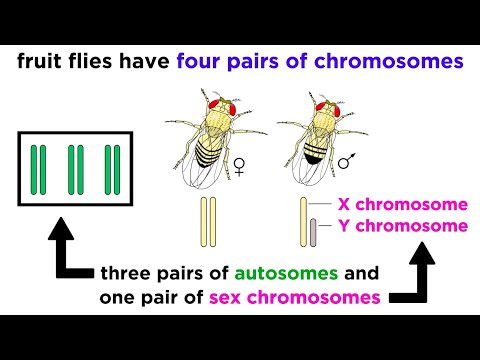
So, let’s chat about X-linked genetic disorders. These are conditions that occur because of genes located on the X chromosome, one of the two sex chromosomes in humans. You might think of chromosomes like tiny instruction books for building and running your body.
Here’s the kicker: **males have one X chromosome and one Y chromosome**, whereas females have two X chromosomes. This setup means that X-linked disorders can hit males hard because they only have one copy of the genes on that X. If there’s a problematic gene on their single X, there’s no backup, so to speak. Females, on the other hand, might have a healthy gene on their other X to compensate.
Let’s break it down a bit:
- Hemophilia: This is like your blood doesn’t know when to stop bleeding because it lacks certain proteins needed for clotting. Most often seen in males, since they get it from their moms who carry the gene.
- Duchenne Muscular Dystrophy (DMD): This tough condition weakens muscles over time, leading to difficulty walking and other issues. Again, it primarily affects boys thanks to that cheeky single X they inherit.
- Color blindness: Ever tried matching colors only to find out you’re seeing them differently than everyone else? That could be due to an X-linked trait! It’s way more common in guys.
Now think about this: if you’re a male with an affected X chromosome, you automatically express that disorder because there’s no second chance with a second healthy copy—heavy stuff! But females can be carriers without showing symptoms most of the time. They might pass that gene down to their kids without even knowing it.
But here’s where things get even more intriguing. Sometimes, females can show symptoms too if both of their Xs have the faulty gene or if something funky happens called **X-inactivation**—this is when one of the two Xs gets “turned off.” It’s like flipping a light switch; now you’ve got an affected female who might experience symptoms related to whatever disorder is lurking in those genes.
You see? Genetics isn’t just numbers and charts; it has real-life implications for people and families. Imagine being told by doctors that you or someone you love has hemophilia after getting into an accident—it hits home hard.
The bottom line is: understanding these disorders helps in better management and supports for those affected while also guiding future generations about risks involved in inheritance patterns. You take this knowledge forward in life decisions regarding family planning or health management options—pretty empowering stuff!
So there you go! A little peek into how nature mixed things up with our genetic blueprints through the lens of X-linked inheritance.
Understanding the Role of X-Linked Traits in Genetic Inheritance: Insights from Molecular Biology
Understanding the role of X-linked traits in genetic inheritance can feel pretty tricky at first, but let’s break it down like we’re having a casual chat over coffee. So, basically, X-linked traits are those that are carried on the X chromosome. Each person has two sex chromosomes: women have two X chromosomes (XX), while men have one X and one Y chromosome (XY). This difference is crucial when it comes to how these traits are passed down.
First off, let’s talk about what it means for something to be X-linked. When a gene is on the X chromosome, its inheritance works differently between males and females. If a male inherits an X-linked trait, he’s gonna express that trait because he doesn’t have another X to counteract it. For example, if he gets an allele for color blindness on his only X chromosome, bam! He’s color blind. On the flip side, if a female has one affected X and one unaffected one, she might not show any symptoms since her healthy allele can mask the affected one.
Here’s where it gets interesting. Because men only have one copy of the X chromosome, they’re often more visibly affected by recessive disorders linked to this chromosome than women are. Some common ones include:
- Hemophilia: A condition where blood doesn’t clot properly.
- Color blindness: Where individuals have difficulty distinguishing certain colors.
- Duchenne muscular dystrophy: A severe type of muscular dystrophy affecting mostly boys.
So when we talk about inheritance patterns in families, we often see these conditions appearing more in males than females. It really shows how important this genetic twist is.
Let me share an anecdote here—my friend’s brother had hemophilia, and growing up, they always had to be super careful with him during sports or even on the playground. It brought home just how real and immediate these genetic conditions can be.
Now let’s dig deeper into molecular biology for a second! Genes themselves are made of DNA—the stuff that holds our genetic information—and they contain instructions for making proteins that do a whole lot of work in our bodies. When a mutation happens on an X-linked gene (like an insertion or deletion), it can lead to diseases because those proteins might not function properly or might not be produced at all.
What’s really fascinating is how generations are impacted by all this! An affected male cannot pass the disorder to his sons (since he gives them his Y), but all his daughters will be carriers—basically holding onto that potentially problematic gene without showing symptoms themselves.
Understanding these patterns helps scientists figure out ways to manage or even treat these disorders. With advances in molecular techniques like CRISPR and gene therapy coming into play—it’s pretty exciting stuff! But remember: with great power comes great responsibility; ethical implications always need serious consideration here too.
So yeah, diving into genetics gives us insight not just into diseases but also into family history and lineage—a way to connect dots across generations! Fascinating stuff if you ask me!
Impacts of X-Linked Inherited Disorders: Gender Disparities and Affected Populations
So, let’s talk about X-linked inherited disorders. These are genetic conditions caused by mutations on the X chromosome. Now, since we all get one X chromosome from our moms and either an X or a Y from our dads, this can lead to some pretty big differences in how these disorders affect people, especially when you think about gender. You follow me?
Here’s the thing: because men have one X and one Y chromosome, any mutation on that single X can cause a disorder. Women have two X chromosomes, which means they often have a backup if something goes wrong on one of them. That’s why many X-linked disorders are more common in men than in women.
- Duchenne muscular dystrophy is a classic example. This condition affects muscles and leads to progressive weakness. It almost exclusively affects boys because they only have that one X chromosome to rely on.
- Hemophilia is another one you might’ve heard of. This disorder affects blood clotting and mainly shows up in males due to similar reasons as Duchenne’s.
- X-linked hypophosphatemia, a form of rickets, shows how these conditions affect bones and growth—again, predominantly impacting boys.
You see how it plays out? Men tend to be affected more severely by these conditions simply because they don’t have that second chance at having a healthy copy of the gene like women do. But it gets even more complicated! Sometimes women who carry the mutated gene can show mild symptoms or be carriers without showing any effects at all. It’s like having an umbrella—some people get soaked while others stay dry just because their covering is different.
And let’s not forget about gender disparities. Since males face higher risks for many of these disorders, there’s definitely a skewed impact in certain populations. For instance, certain cultures might view boys as “more valuable,” so health resources might focus on male children over females when it comes to genetic testing or treatment options. Can you imagine being part of that conversation?
This all leads us into discussions about societal influences too. There might be stigma associated with disabilities in some cultures that impacts how families deal with these disorders within their communities—and those disparities can get even more pronounced across different socio-economic groups.
So yeah, when we look at X-linked inherited disorders, it’s not just about genetic inheritance; it also connects deeply with gender roles and societal norms across various populations. The science is crucial here, but understanding its impact on real lives makes it so much richer—and also much more urgent!
So, let’s chat about X-linked inheritance. It’s one of those things that might sound super complicated at first, but when you break it down, it actually makes a lot of sense. You know how we all have those little things in our genes that make us who we are? Well, some of these can carry disorders that affect us, and X-linked inheritance is a big player in that game.
Picture this: there’s a guy named Jack who loves playing soccer. One day, he starts noticing he can’t see the ball as well as he used to. Turns out, Jack has color blindness—something that’s often passed down through his mother because it’s linked to the X chromosome. Women have two X chromosomes (XX), while men have one X and one Y (XY). If there’s a mutation on the X chromosome in a woman, she might not show symptoms because she has another healthy X to balance it out. But for men? Well, if there’s an issue on their single X chromosome, they’re going to express whatever that condition is.
That’s where things get interesting—and a bit tricky! Conditions like hemophilia and Duchenne muscular dystrophy are examples of disorders caused by mutations on the X chromosome. So if mom carries the gene for hemophilia but doesn’t show symptoms herself (lucky her!), there’s a chance her son could inherit it and end up with difficulties in blood clotting.
And here’s the kicker—these conditions often affect males more frequently than females. It makes you think about how our genetics play such a huge role in our lives without us even realizing it sometimes. I remember reading about families where multiple generations had these conditions but never linked them back to this whole X-linked inheritance thing until someone did genetic testing. It opened their eyes to why certain traits ran deep in their family tree.
But hey, genetics isn’t all doom and gloom! Advances in science mean we’re learning more every day about these disorders and how they work. There are also options for carriers to discuss family planning if they want more info on passing traits along or not.
So yeah, understanding this stuff can really change perspectives—not just about diseases but also about family history and future generations. It brings light to questions we never thought we needed answers to! And that connection between genes and our everyday lives? Pretty cool if you ask me!